

 Dayco®
Verified to fit 352 vehicles
| Vehicle | Trim | Engine | Notes |
|---|---|---|---|
| 2003 Kenworth W900Fan To Alternator and Air Conditioning | — | L6 14.6L | —View details |
| 2003 Kenworth W900Fan To Alternator and Air Conditioning | — | L6 15.8L | —View details |
| 2001 Kenworth W900Fan To Alternator and Air Conditioning | — | L6 14.6L | —View details |
| 2000 Kenworth W900Fan To Alternator and Air Conditioning | — | L6 14.6L | —View details |
| 1998 Kenworth T800Fan To Alternator and Air Conditioning | — | L6 14.6L | Note: with 62in Long BeltView details |
| 1997 Kenworth T600AFan To Alternator and Air Conditioning | — | L6 14.6L | Note: with 62in Long BeltView details |
| 1997 Kenworth W900Fan, Alternator and Air Conditioning | — | L6 10.3L | —View details |
| 1996 Ford F-700Fan, Air Pump and Hydraulic Pump | — | V8 7.0L · GAS | Note: with 75, 90, 130 Amp AlternatorView details |
| 1996 Kenworth T800Fan To Alternator and Air Conditioning | — | L6 14.6L | Note: with 62in Long BeltView details |
| 1995 Ford F-700Fan, Air Pump and Hydraulic Pump | — | V8 7.0L · GAS | Note: with 75, 90, 130 Amp AlternatorView details |
| 1995 Kenworth T600AFan To Alternator and Air Conditioning | — | L6 14.6L | Note: with 62in Long BeltView details |
| 1995 Kenworth T800Fan To Alternator and Air Conditioning | — | L6 14.6L | Note: with 62in Long BeltView details |
| 1994 Ford F-600Fan, Air Pump and Hydraulic Pump | — | V8 7.0L · GAS | Note: with 75, 90, 130 Amp AlternatorView details |
| 1994 Kenworth T600AFan To Alternator and Air Conditioning | — | L6 14.6L | Note: with 62in Long BeltView details |
| 1993 Freightliner FLL086Fan | — | L6 12.7L | —View details |

WARNING: Handling passenger or off-highway motor vehicle parts can expose you to chemicals such as phthalates and lead, known to the State of California to cause cancer and reproductive harm. Service the vehicle in a well-ventilated area, wear gloves, and wash your hands. See www.P65Warnings.ca.gov/motor-vehicle-parts
Guaranteed fit — or free return
Guaranteed to fitFits your vehicle or we pay the return. Learn more
If a part we confirmed for your vehicle does not fit, we cover the return shipping and refund you in full. That is the fitment guarantee.
Free Returns if it doesn't fitRead Details
Nobody likes buying a part that turns out to be wrong. So if it doesn't fit, send it back for a full refund at no cost to you — return shipping is on us — and we'll help you get the right one.
AutoBuffy 24-month guaranteeCovered on this part, unlimited miles. Learn more
Every part is covered for 24 months. Many brands add their own manufacturer warranty on top.
4.9/5 ratingFrom 19,069 verified customers. Learn more
Ratings come from verified AutoBuffy buyers after delivery — no imported or paid reviews.
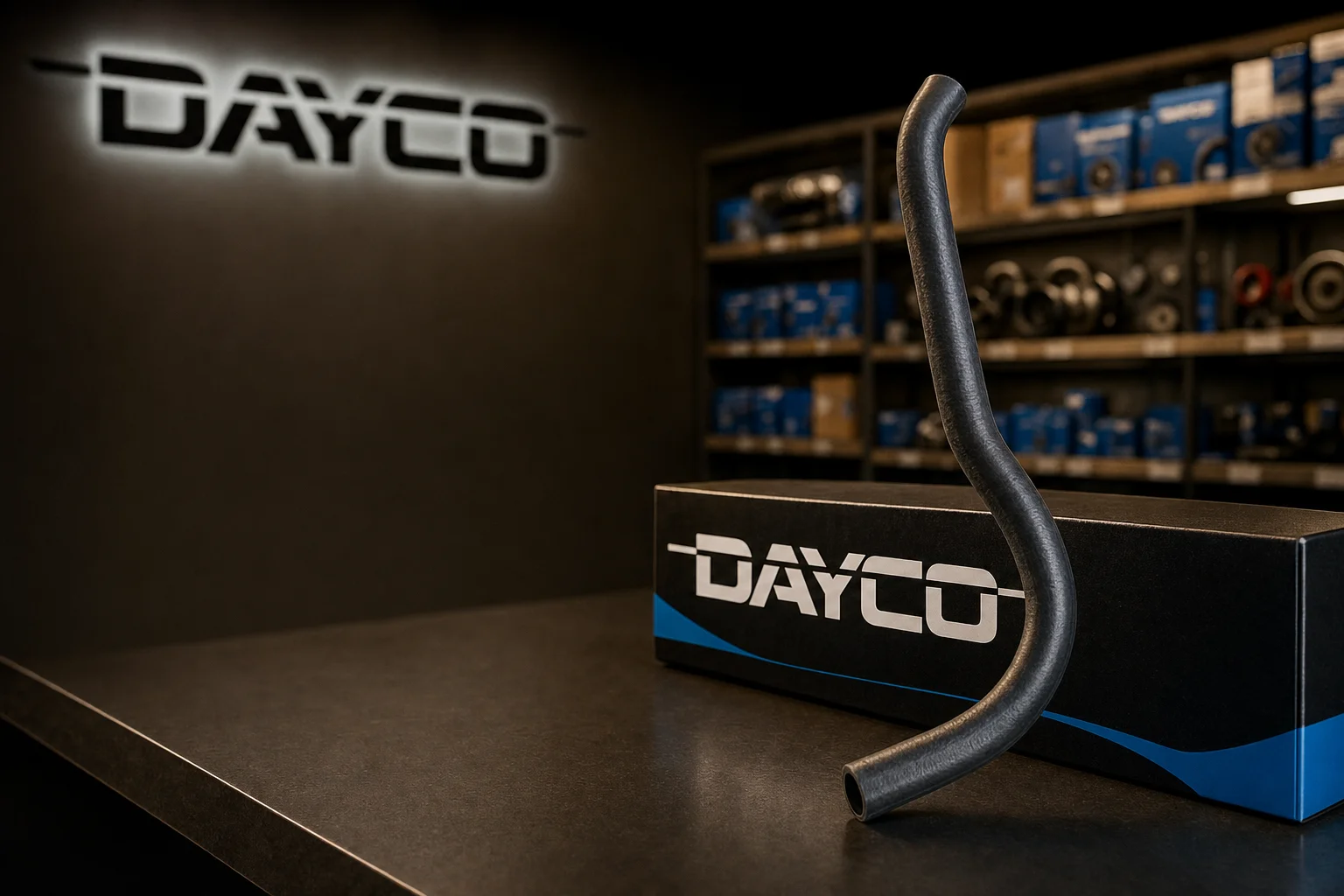
The brand behind your
Accessory Drive Belt
Dayco builds this Accessory Drive Belt to original-equipment standards.

Brand-first. Fitment-obsessed.
We do not list every part on earth — just the brands automakers actually trust. And we use AI to double-check not just the fitment but the product details on every listing, because we hate buying the wrong part as much as you do.



Top curated brands only
The brands automakers actually put on the car. No white-label mystery boxes.
We're obsessed with fitment
Year, make, model, trim, engine — plus the fine print most sites skip — so it fits the first time.
Search any part number
The number off your old part, a competitor listing, or the dealer part — we cross it and confirm the match.
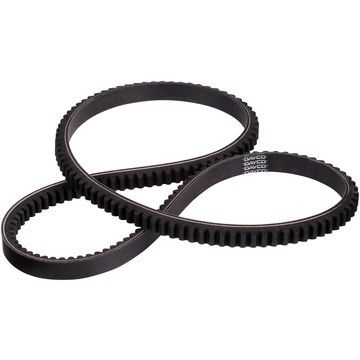
Dayco Accessory Drive Belt - 17610
Guaranteed fit or free return
Dayco Accessory Drive Belt - 17610
Checking fitment…
In stock· ships today
Fast shipping · Get it by Tue, Oct 20
Delivering to your area ·

 Shipping calculated at checkout · Est. arrival Tue, Oct 20 to Tue, Oct 20
 Ships To:
Key Features
About This Accessory Drive Belt
This DAYCO automotive component is engineered to meet or exceed OEM specifications for reliable performance and long service life.
Key Features
- Meets or exceeds OEM specifications
- Direct-fit replacement design
- Rigorously tested for durability
- Professional-grade construction
- Backed by manufacturer warranty
Signs This Part Needs Replacement
- •Unusual noises from the component area
- •Decreased vehicle performance
- •Warning lights on dashboard
- •Visible wear or damage
- •Failed vehicle inspection

DAYCO
Trusted Automotive Brand
DAYCO is a trusted manufacturer of quality automotive parts.
View all DAYCO productsInstallation Guide
Tools Needed
Frequently Asked Questions
The brand behind your
Accessory Drive Belt
Dayco builds this Accessory Drive Belt to original-equipment standards.
The Dayco Accessory Drive Belt (17610) is a direct-fit replacement for 1971-2003 Ford, Freightliner, Kenworth and 11 other makes. UPC 036687109002. In stock.
About This Product
Accessory Drive Belt
The Dayco Accessory Drive Belt (17610) is a direct-fit replacement for 1971-2003 Ford, Freightliner, Kenworth and 11 other makes. UPC 036687109002. In stock.
This DAYCO automotive component is engineered to meet or exceed OEM specifications for reliable performance and long service life.
Key Features
- Meets or exceeds OEM specifications
- Direct-fit replacement design
- Rigorously tested for durability
- Professional-grade construction
- Backed by manufacturer warranty
Signs This Part Needs Replacement
- Unusual noises from the component area
- Decreased vehicle performance
- Warning lights on dashboard
- Visible wear or damage
- Failed vehicle inspection
Brand-first. Fitment-obsessed.
We only sell brands automakers trust, and we double-check the fit on every listing.
Top curated brands only
The brands automakers put on the car.
Obsessed with fitment
Year, make, model, trim, engine, plus the fine print.
Search any part number
Your old part, a competitor, or the dealer #. We confirm the match.
Shop owner? Get BuffyPro business pricing
Fitment Obsessed
Every part checked against your exact year, make, model, trim, and engine.
Wrong Fit? On Us.
Free return shipping, no restocking fee — the fitment guarantee.
Brands OEMs Trust
The names automakers actually put on the car.
Millions of Parts, One Promise
If we say it fits, it fits.