

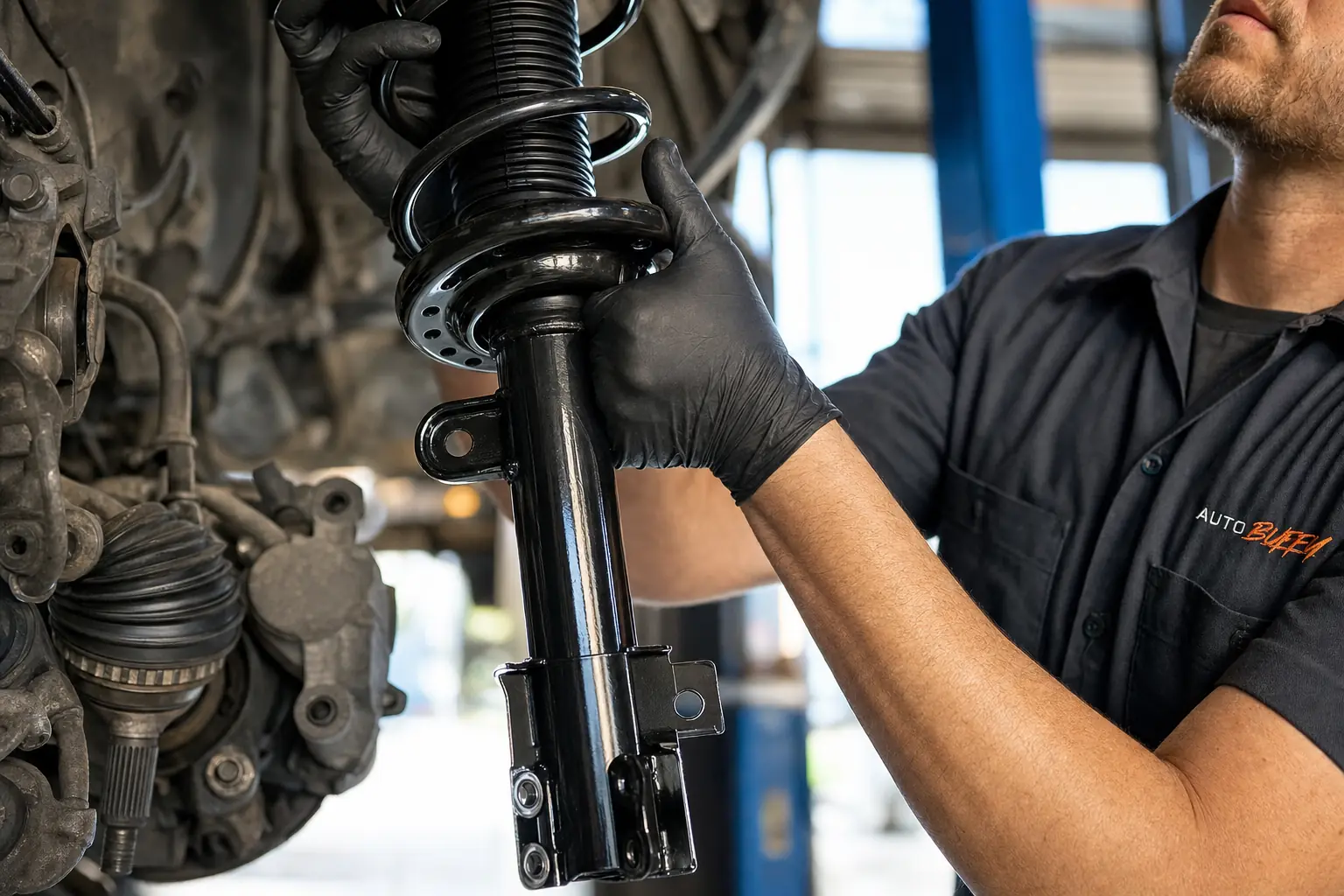
Acura TSX Struts (2004–2014): What to Buy, What to Spend, and How to Know It's Time
Everything TSX owners need to know about strut replacement — symptoms, costs, generation differences, and honest brand picks for 2004–2014 models.
The Short Answer
If your Acura TSX is bouncing, clunking, or wearing tires unevenly, worn struts are the likely cause — and replacing them in axle pairs with a generation-correct part from a quality brand like KYB or Monroe will restore the ride and handling this chassis was designed to deliver.
| Factor | First Gen (2004–2008) | Second Gen (2009–2014) |
|---|---|---|
| Platform | Honda Accord (JDM/Euro) | Honda Accord (JDM/Euro, redesigned) |
| Suspension type | MacPherson strut (front & rear) | MacPherson strut (front & rear) |
| Parts interchangeable with other gen? | No | No |
| Typical strut lifespan | 50,000–100,000 miles | 50,000–100,000 miles |
| Strut parts cost (per unit, aftermarket) | ~$50–$150 | ~$50–$150 |
| Full replacement cost (parts + labor) | ~$600–$1,200 | ~$600–$1,200 |
| Any strut-related recalls? | None | None |
Why Generation Matters More Than You'd Expect
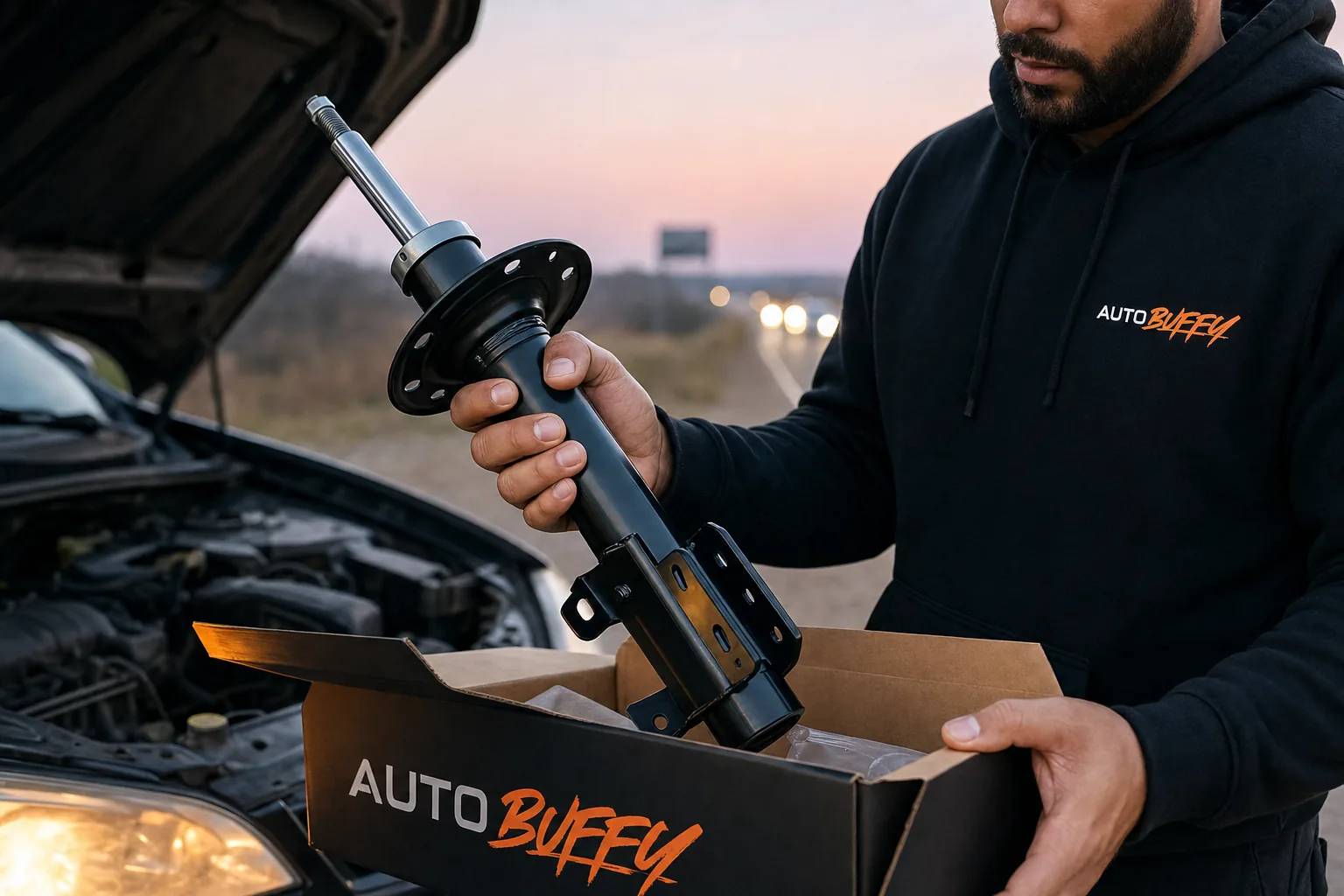
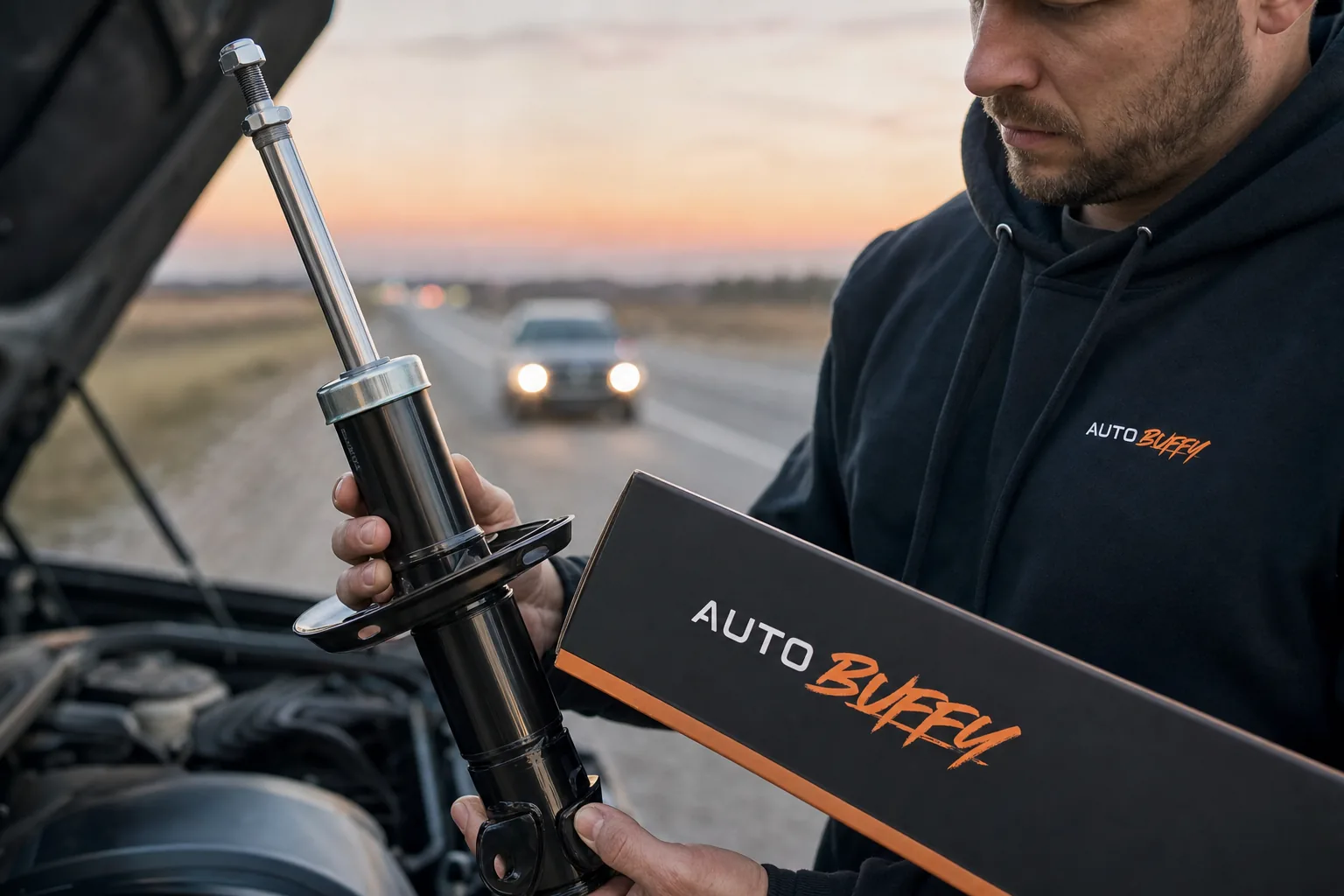
The TSX ran for eleven model years, but it's really two distinct cars. Honda redesigned it for 2009, and that means the suspension geometry — and the struts themselves — changed. A 2006 TSX strut will not correctly fit a 2011 TSX, even though they share a nameplate and a general platform lineage. Before you order anything, confirm your exact model year. If you're buying online and the listing just says "Acura TSX" without specifying 2004–2008 or 2009–2014, slow down. Getting the wrong generation strut is a frustrating and expensive mistake. The part finder below handles this automatically by filtering on your year, make, and model — that's the safest starting point. ---
Signs Your TSX Struts Need Replacing
Struts don't usually fail overnight. They wear gradually, which makes it easy to normalize a deteriorating ride. Watch for these:
- Bouncing that lingers. Push down on a fender and let go. A healthy strut settles in one motion. If the car bobs two or three times, the strut is tired. - Nose-dive under braking. The front end dipping aggressively when you brake is a classic worn-strut symptom. - Clunking or knocking over bumps. Could be a worn strut mount, a damaged strut itself, or both. - Cupped or scalloped tire wear. This is the one owners often miss. Uneven, patchy wear across the tread face usually means the tire is bouncing instead of staying planted — which points directly at struts. - Pulling or drifting. If the car wanders on a straight road, alignment is the first suspect, but a collapsed strut can cause or worsen the problem. If you're seeing two or more of these symptoms together, get the struts inspected. A shop can confirm with a visual check and a bounce test in about ten minutes. ---
Which Brands to Consider
The TSX is a Honda product, and that matters for brand selection. Honda-platform vehicles have a strong fitment track record with a handful of aftermarket brands. Here's an honest look at the main options. ### KYB
KYB (Kayaba Industry Co.) has been manufacturing hydraulic components since 1919 and describes itself as the world's largest supplier of shocks and struts. That's not just marketing copy — KYB supplies OE struts directly to Honda, Toyota, Ford, and others. For a TSX owner who wants parts that are as close to factory spec as possible without paying dealer prices, KYB is a genuinely strong option. Their Excel-G line matches OE performance; the Gas-a-Just line is a step up for drivers who want slightly firmer control. ### Monroe
Monroe is a long-established name in the shock and strut market, now under the Tenneco portfolio (Tenneco was taken private in 2022 by Apollo Global Management). Their OESpectrum and Reflex lines are built to restore OE ride quality and typically carry solid warranties. Monroe is widely available and well-suited to TSX owners who prioritize a smooth, comfortable ride over any performance upgrade. ### Dorman
Dorman is known more for hard parts than suspension, but they do produce strut assemblies. Their value proposition is usually competitive pricing and broad coverage. For a high-mileage TSX where you're trying to keep maintenance costs reasonable, Dorman is worth a look — just verify the fitment notes carefully for your generation. ### Complete Assemblies vs. Bare Struts
One decision that trips up DIYers: bare strut vs. complete strut assembly.
- A bare strut (just the cartridge/body) is cheaper but requires transferring your existing spring, mount, and bearing — which means you need a spring compressor and proper technique. - A complete assembly (strut, spring, mount, and bearing pre-assembled) costs more upfront but installs like a single unit, reduces the risk of spring-related injury, and often makes sense if your mounts and springs are also worn. For a 2004–2008 TSX with original struts and 100,000+ miles, a complete assembly on all four corners is usually the smarter value when you factor in labor time. ---
What Does a TSX Strut Job Actually Cost? Costs vary by region, shop type, and whether you're doing one axle or all four. Here's a realistic breakdown:
| Service | Typical Range |
|---|---|
| Aftermarket strut (per unit) | $50–$150 |
| Complete strut assembly (per unit) | $100–$250 |
| Labor (per axle, independent shop) | $150–$300 |
| Post-installation wheel alignment | $80–$150 |
| Full 4-strut job (parts + labor + alignment) | $600–$1,200 |
Dealer pricing runs higher — often 30–50% more than an independent shop for the same parts and labor. For a well-maintained used TSX, an independent Honda specialist is usually the right call. > One honest opinion: Skipping the post-installation alignment is a false economy. A wheel alignment costs $100 or less at most shops and protects the new struts and your tires. Skipping it and wearing out a new set of tires faster is a much more expensive lesson. ---
Should You Replace Two or Four Struts? Always replace in axle pairs. Replacing only one front strut leaves the car with mismatched damping side-to-side, which creates handling imbalance — the car will pull or feel uneven in corners. If the car has high mileage and the rears are original while only the fronts are symptomatic, consider doing all four at once. You save on a second alignment appointment and eliminate the possibility of the worn rears undermining your new fronts. It's a judgment call, but on a TSX with 120,000+ miles, all-four usually wins on total cost over the next two years. ---
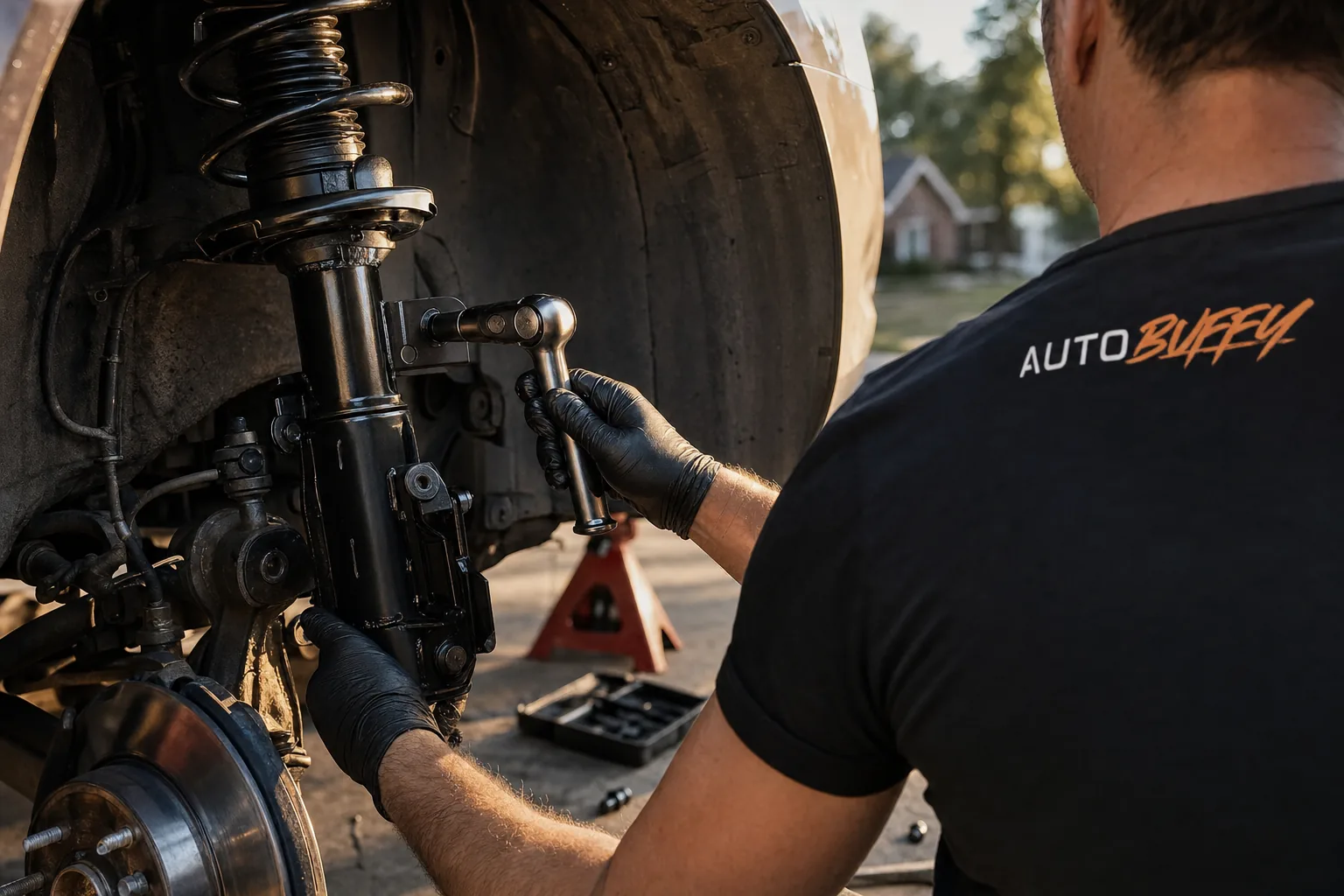
DIY or Shop? Strut replacement sits in the intermediate-to-advanced DIY category. The biggest risk is the coil spring — compressed springs store enough energy to cause serious injury if released incorrectly. If you've done the job before and own a quality spring compressor, it's manageable. If this is your first strut job, a shop is the safer choice. Either way, a wheel alignment is required after installation — that's not optional. ---
Why buy from AutoBuffy
- Fitment check: add your vehicle and we confirm the part fits before you buy. If it doesn't fit because of our listing, you get a free return and a full refund, including original shipping.
- 24-month limited warranty on new parts bought on autobuffy.com.
- Real reviews: rated 4.9 by 19,069 verified customers.
- 30-day returns on unused parts in the original packaging.
- Free shipping on orders $50+. Orders placed before 12:00 PM ET (Mon-Fri) ship the same business day.
- Questions about an order? Call 888-477-2530 or email help@autobuffy.com.
Find the right struts for your Acura TSX
Guaranteed fit, ships free
FAQ / People Also Ask
The first-generation TSX (2004–2008) uses a MacPherson strut setup front and rear. Parts are specific to this generation — they are NOT interchangeable with 2009–2014 TSX struts. Always confirm your model year before ordering.
Comments
Loading comments...
Comments are moderated by the AutoBuffy team.