

Brake Fluid Flush Cost: What You Should Actually Pay in 2026
Brake fluid flushes run $80–$200 at most shops. Learn what drives the price, when you need one, and how to avoid overpaying.
The Short Answer
A brake fluid flush costs between $80 and $200 at most shops in 2026, depending on your vehicle, the fluid type required, and whether you go to a dealership or an independent mechanic.
| Service Location | Typical Price Range | Notes |
|---|---|---|
| Independent mechanic | $80–$130 | Most affordable professional option |
| Chain shop (e.g., Jiffy Lube, Firestone) | $90–$150 | Often runs coupons |
| Dealership | $130–$200 | Higher labor rates, OEM fluid |
| DIY | $15–$35 | Cost of fluid only; your time is free |
| High-performance / European vehicles | $150–$250+ | Requires DOT 4 or DOT 5.1 fluid |
Those numbers haven't moved dramatically from recent years. Labor is the biggest variable—fluid itself costs $10–$25 per liter at retail, and most cars need 1–2 liters for a full flush.
What Exactly Is a Brake Fluid Flush?
Brake fluid is hygroscopic, meaning it pulls moisture out of the air over time. That sounds minor until you realize that water in your brake lines drops the fluid's boiling point significantly. Under hard braking—emergency stops, mountain descents, track days—degraded fluid can vaporize and cause brake fade or, in serious cases, complete pedal loss.
A flush drains the old fluid from the entire system: master cylinder reservoir, brake lines, calipers, and wheel cylinders (on drum-brake axles). Fresh fluid goes in, air gets bled out, and your system is back to spec.
A bleed, by contrast, only targets trapped air in specific corners. Don't let a shop charge you flush prices for a partial bleed.
What Drives the Price Up or Down?
Vehicle Type
Most domestic cars and trucks use DOT 3 fluid—cheap, widely available, and easy to work with. European vehicles (BMW, Audi, Mercedes, Volvo) typically spec DOT 4 or DOT 5.1, which costs more per liter and requires more care during service. If you drive a performance car or a European brand, budget toward $150–$250 rather than the low end.
Labor Rates in Your Area
This is the biggest swing factor. A shop in rural Ohio charges $80–$100/hour for labor. A shop in San Francisco or New York City might charge $160–$200/hour. Since a flush only takes 30–60 minutes, a $40/hour difference in shop rates directly translates to a $20–$40 price swing on your final bill.
Whether Other Brake Work Is Bundled
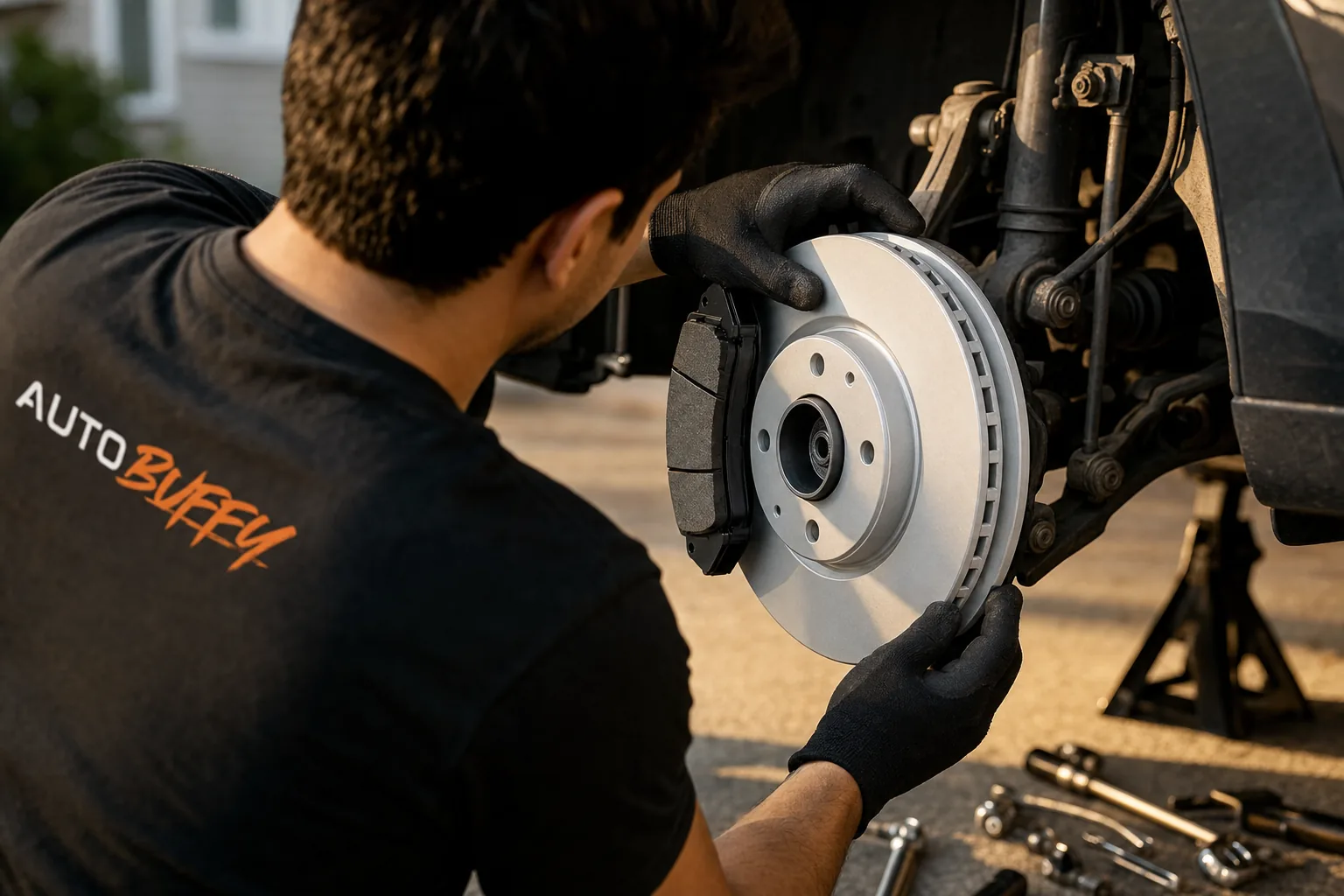
Shops frequently recommend a flush when you're already in for pads and rotors—and that's often a reasonable time to do it. If labor is already being charged for wheel removal, adding a flush is cheaper than a standalone appointment. Ask for it to be itemized so you know exactly what you're paying for each service.
Dealer vs. Independent
Dealerships charge more, plain and simple. You're paying for OEM-sourced fluid and technicians certified on your specific brand. For a brake flush, that premium rarely buys you anything meaningful. An independent mechanic who uses quality fluid and knows how to bleed a brake system properly will do the same job for less. I'd put the independent shop at roughly 25–30% cheaper than a dealer on this specific service—and that's a meaningful savings for what's essentially a fluid change.
When Do You Actually Need a Brake Fluid Flush?
The standard recommendation is every 2 years or 30,000 miles, whichever comes first. That's not a conservative guess—it's based on how quickly brake fluid absorbs moisture in typical driving conditions.
Here are the signs your fluid may be overdue:
- Dark or brown fluid in the reservoir (fresh fluid is clear to light yellow)
- Spongy or soft pedal feel that wasn't there before
- Test strips show moisture content above 3% (strips are available at auto parts stores for a few dollars)
- You haven't had it done in two or more years and can't remember if it was ever done
If your car has ABS, traction control, or electronic stability control—basically any car made in the last 20 years—moisture in the fluid is especially problematic. Those hydraulic ABS modulators have tight internal tolerances that corrode faster than traditional components.
DIY Brake Fluid Flush: Is It Worth Trying?
If you're handy with basic tools, yes. You'll need:
- The correct fluid for your vehicle (check your owner's manual or the reservoir cap)
- A hand-pump vacuum bleeder or a pressure bleeder kit ($20–$60 one-time purchase)
- Clear tubing and a catch bottle (or included with the bleeder kit)
- A turkey baster or fluid extractor to pull old fluid from the reservoir
The process: extract old fluid from the reservoir, fill with fresh fluid, then bleed each caliper starting from the one farthest from the master cylinder (usually rear passenger side) and working your way to the closest (front driver side). Keep the reservoir topped up throughout so you don't introduce air.
Total fluid cost: $15–$35. Total time: 60–90 minutes once you've done it once. The savings are real, but if you're not confident bleeding brakes, this is one job where a mistake has serious safety consequences. There's no shame in paying a mechanic for this one.
Brake Flush vs. Full Brake Service: Know the Difference
Some shops bundle a fluid flush with pad replacement and call it a "full brake service." That's not inherently a rip-off—doing everything at once makes sense. But make sure the quote breaks down:
- Pad replacement (parts + labor)
- Rotor resurfacing or replacement (if needed)
- Fluid flush (separate line item)
If those numbers are lumped together, ask to see them split. A complete brake job on a typical car—new pads, rotors, and a fluid flush—runs $300–$700 depending on the vehicle and how many axles need work. If someone quotes you $700 for "brakes" on a simple sedan, you need a line-item breakdown before you agree.
For a complete brake system service or replacement parts, use the finder below to check what fits your specific vehicle.
The Honest Bottom Line
A brake fluid flush is genuinely one of the lowest-cost, highest-value maintenance items on your car. At $80–$130 at a good independent shop, you're protecting calipers, wheel cylinders, and ABS components that cost hundreds to replace. Skipping it to save $100 now is the kind of decision that costs $600 later.
If your fluid is more than two years old or looks dark, just get it done. And if you're already replacing pads or rotors, ask your shop to add the flush—the incremental cost is usually $40–$70 when bundled with other brake work, because most of the labor is already happening anyway.
Find the right brake parts for your vehicle
Guaranteed fit, ships free
FAQ / People Also Ask
Most drivers pay between $80 and $200 for a brake fluid flush at a shop. Dealerships trend toward the higher end ($130–$200), while independent mechanics often charge $80–$130. The type of fluid—DOT 3, DOT 4, or DOT 5.1—also affects the price.
Comments
Loading comments...
Comments are moderated by the AutoBuffy team.