


Freightliner Cascadia Shocks (2008-2024): Front, Rear and Cab Shocks
Front, rear, and cab shocks for the Freightliner Cascadia explained — what each does, when to replace them, and which brands fit your rig.
The Short Answer
The Freightliner Cascadia (2008-2024) uses three distinct shock locations — front suspension, rear suspension, and cab shocks — and letting any of them go worn affects tire life, handling safety, and driver fatigue on long hauls.
| Shock Position | Function | Typical Replacement Interval | Approximate Part Cost Range |
|---|---|---|---|
| Front suspension shocks / corner modules | Control steer axle wheel travel, resist nose dive | 150,000–300,000 miles (inspect at 100k) | $300–$1,800+ per corner |
| Rear suspension shocks / corner modules | Support drive axle loads, maintain ride height | 150,000–300,000 miles | $300–$1,800+ per side |
| Cab shocks | Isolate cab/sleeper from chassis vibration and NVH | Inspect every 100,000 miles | $50–$300 per unit (generally) |
Freightliner is the largest semi-truck manufacturer in the U.S. — holding roughly 33.4% of market share as of late 2025 — so the Cascadia aftermarket is well-supplied. That's good news when it's time to shop. The bad news is that "well-supplied" also means you'll find varying quality, and on a truck doing 100,000+ miles per year under load, corners are expensive to cut. ---
Why the Cascadia Has Three Shock Categories (Not One)
Most drivers think about suspension shocks — the ones at each wheel. But the Cascadia adds a third category that gets overlooked until drivers start complaining about a jarring ride or cab rattle: cab shocks. ### Front and Rear Suspension Shocks
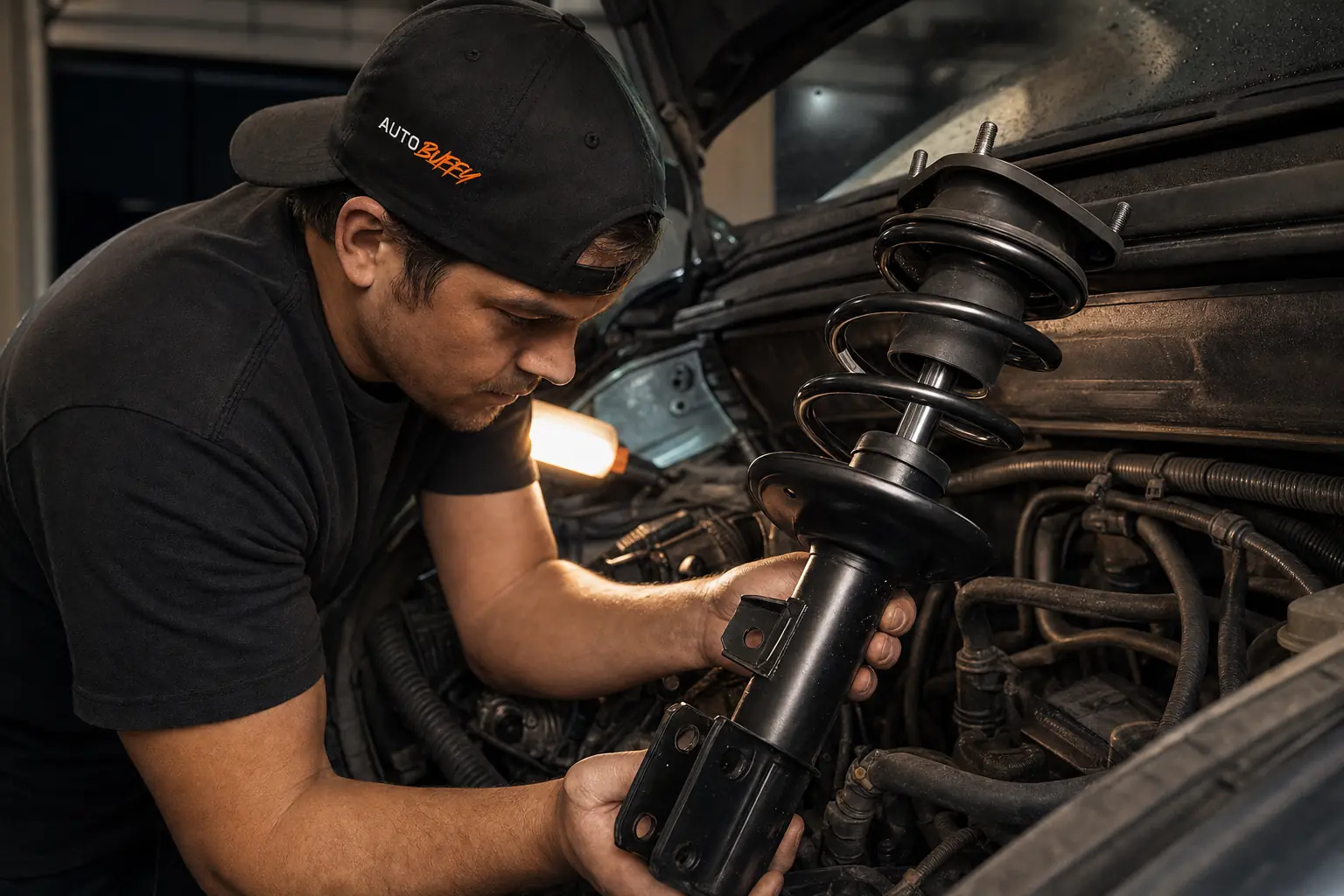
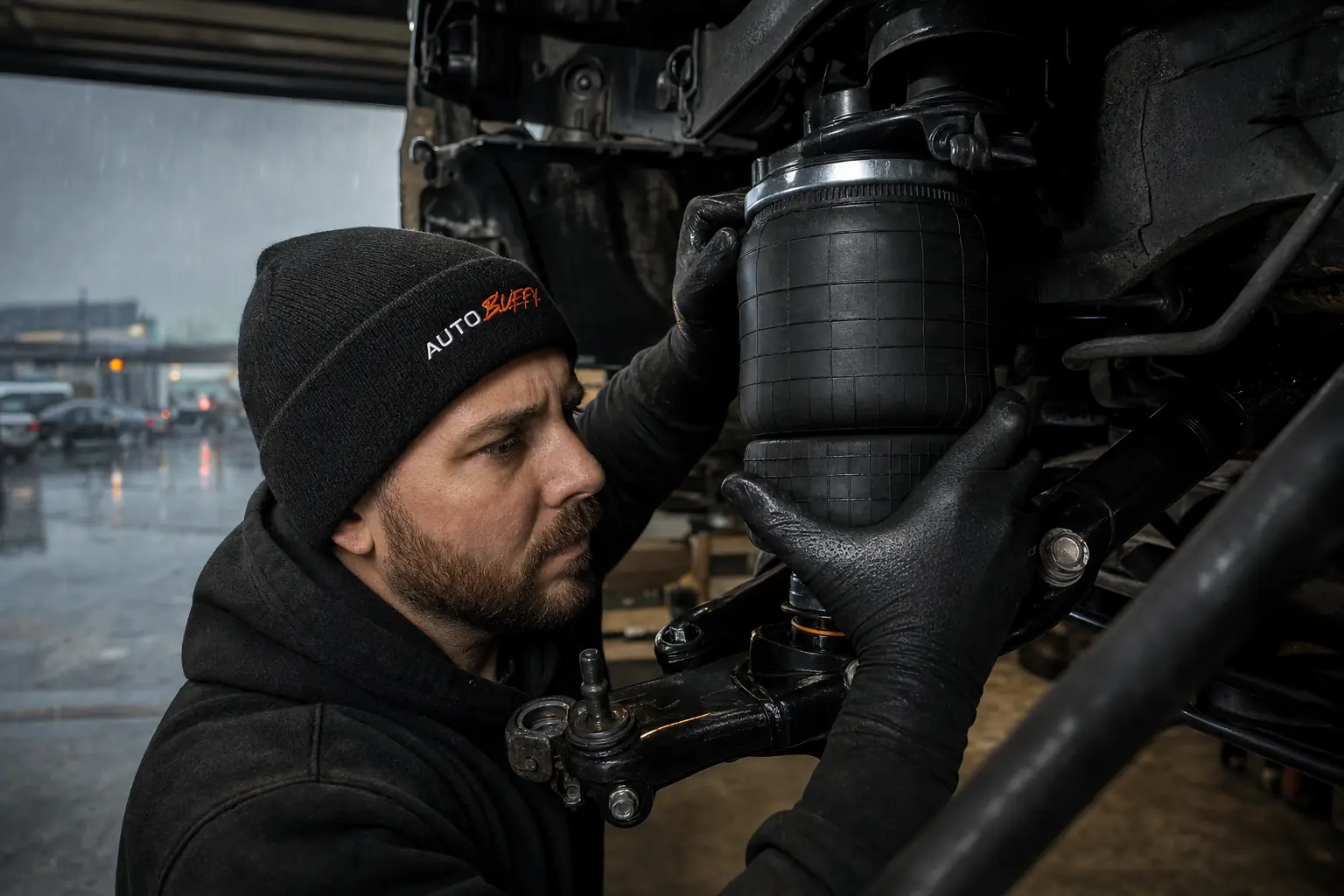
These are conventional hydraulic or air shock absorbers mounted at each axle end. On the Cascadia, you'll often see them packaged into corner module assemblies — pre-built units that combine the shock with springs or air components and mounting hardware. Corner modules cost more upfront but can save meaningful labor hours since there's no pressing or assembly required at the shop. Bilstein offers 60mm corner modules for both the front and rear positions across multiple Cascadia model years. If you're already paying truck shop labor rates, the assembly-included approach is worth running the numbers on. Dorman covers the rear position with a matched pair of air shock absorbers — which matters because replacing rear shocks one at a time is asking for uneven handling under load. Motorcraft also supplies individual rear shock absorbers for specific Cascadia configurations. ### Cab Shocks: The Overlooked Third Category
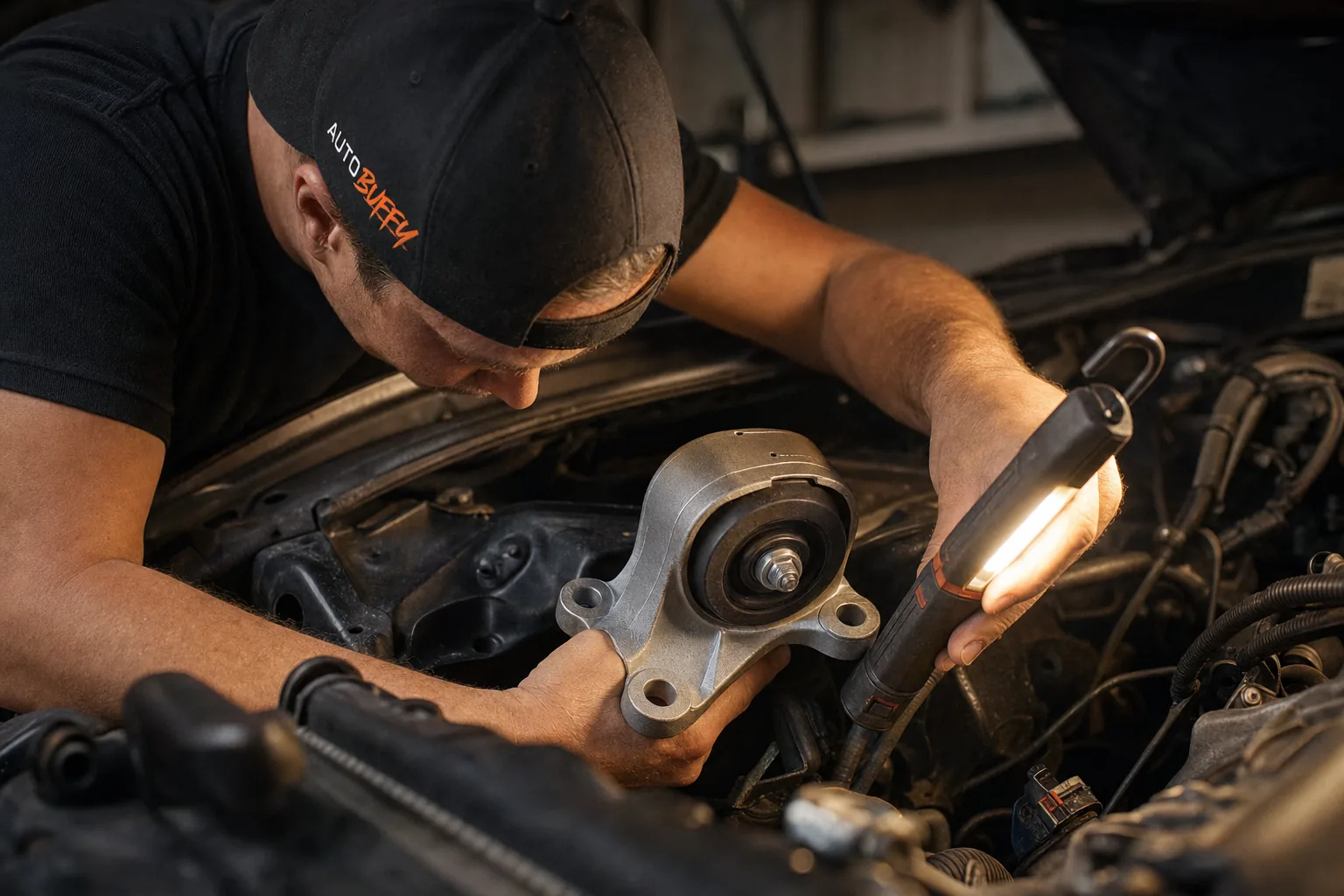
Cab shocks mount between the cab body (or sleeper unit) and the main frame rails. They don't control wheel travel at all — their job is absorbing vibration and harshness before it ever reaches the driver's seat. > "Cab shocks isolate the cab from the frame, preventing road-induced noise, vibration, and harshness from reaching the driver." — TruckID
When cab shocks wear out, drivers notice increased interior noise, a pronounced bounce over railroad crossings, and general fatigue on long runs. Monroe's Gas-Magnum line covers cab shock applications for the Cascadia, and Gabriel (including their 83006 application) also fits the Cascadia alongside other Freightliner conventional truck lines. ---
When Do Freightliner Cascadia Shocks Need Replacing? There's no fixed mileage interval stamped in the Cascadia service manual the way there is for, say, an oil filter. Shock life depends heavily on:
- Load cycles — a flatbed running at max GVW wears shocks faster than a lightly loaded regional rig
- Road quality — interstate highway miles are easier on shocks than rural two-lane or construction corridors
- Axle configuration — more driven axles means more shock locations to track
A reasonable inspection schedule starts at 100,000 miles and repeats every 100k after that. Many operators don't replace until 150,000 to 300,000 miles, but that's "many" — not "all." If you're seeing any of the symptoms below, don't wait for a scheduled inspection. ### Symptoms of Worn Suspension Shocks
- Steer tires cupping or scalloping on the tread (classic sign of shock fade)
- Truck wanders or requires constant steering correction at highway speed
- Excessive nose-dive under hard braking
- Bouncy, unsettled feel over uneven pavement — especially loaded
Symptoms of Worn Cab Shocks
- Cab rocks or bounces noticeably over bumps even when the suspension feels okay
- Increased interior noise or vibration at speed
- Visible oil leaks or physical damage on the shock body
- Driver fatigue increasing on familiar routes with no other explanation
Front Shock Options for the Cascadia
For the front axle, Bilstein's 60mm corner modules are the premium option in this segment. They're engineered specifically for the Cascadia's front suspension geometry and come as ready-to-install assemblies. Two front corner module variants are available to cover different Cascadia years and specs — always verify your model year and front axle configuration before ordering. Individual 60mm front shock absorbers (without the full corner module) are also available from Bilstein for applications where only the shock element needs swapping. ---
Rear Shock Options for the Cascadia
The rear of a loaded Cascadia takes punishment. Drive axle shocks are doing serious work every mile. Bilstein again offers 60mm rear corner modules — left and right — as pre-assembled units. Dorman covers the rear with a set of two air shock absorbers, which is the format most shops prefer since you're doing both sides at once. Motorcraft supplies a rear left shock absorber for specific Cascadia configurations. When pricing rear shocks, keep in mind that corner module assemblies run significantly higher than standalone shocks — but the labor savings on a truck shop bill can partially offset the part premium, depending on your situation. ---
Cab Shock Options for the Cascadia
Monroe and Gabriel both have cab shock coverage for the 2008-2024 Cascadia. Monroe's Gas-Magnum cab shock line is purpose-built for the cab isolation application (not repurposed passenger car units). Gabriel's offering fits the Cascadia alongside other Freightliner conventional truck platforms. Cab shocks are generally the least expensive shock replacement on the Cascadia — but they're also the most skipped during preventive maintenance, which is a mistake. A driver spending 11 hours in a cab with worn cab shocks is a fatigued driver. ---
Front vs. Rear vs. Cab: A Quick Reference
| Question | Answer |
|---|---|
| Which shocks affect steer tire wear most? | Front suspension shocks |
| Which shocks are most critical for loaded stability? | Rear suspension shocks |
| Which shocks reduce driver fatigue directly? | Cab shocks |
| Which format saves the most labor time? | Corner module assemblies |
| Should rear shocks be replaced in pairs? | Yes — always |
What to Check Before You Order
The Cascadia went through meaningful engineering changes across its 2008-2024 run — the "New Cascadia" redesign brought suspension geometry changes that affect shock fitment. Before ordering, have ready:
- Model year (not just "Cascadia" — 2008 and 2020 are different trucks)
- Front axle rating and type
- Cab style (day cab vs. sleeper, standard vs. raised roof)
- Drive axle configuration (6x4, 6x2, etc.)
Use the part finder below — it cross-references all of those variables against confirmed fitment data, which is faster and more reliable than guessing from a catalog. ---
Why buy from AutoBuffy
- Fitment check: add your vehicle and we confirm the part fits before you buy. If it doesn't fit because of our listing, you get a free return and a full refund, including original shipping.
- 24-month limited warranty on new parts bought on autobuffy.com.
- Real reviews: rated 4.9 by 19,069 verified customers.
- 30-day returns on unused parts in the original packaging.
- Free shipping on orders $50+. Orders placed before 12:00 PM ET (Mon-Fri) ship the same business day.
- Questions about an order? Call 888-477-2530 or email help@autobuffy.com.
- Shop or fleet? Call 301-463-4380 for shop pricing.
Find the right shocks for your Freightliner Cascadia
Guaranteed fit, ships free
FAQ / People Also Ask
A Cascadia has three distinct shock locations: front suspension shocks (one per front corner), rear suspension shocks on the drive axles, and cab shocks that isolate the sleeper or day-cab body from the chassis frame. The exact count depends on your axle configuration, but most Class 8 Cascadias run at least four to six shock absorbers total, plus two to four cab shocks.
Comments
Loading comments...
Comments are moderated by the AutoBuffy team.