

How Long Do Shocks Last? Mileage, Warning Signs & Replacement Cost
Most shock absorbers last 50,000–100,000 miles, but driving habits and road conditions can cut that in half. Here's how to know when yours are done.
The Short Answer
Shock absorbers typically last 50,000 to 100,000 miles, but road conditions, driving habits, and load history can push that number in either direction — sometimes dramatically.
| Driving Profile | Expected Shock Lifespan |
|---|---|
| Normal highway/city mix | 75,000–100,000 miles |
| Moderate rough roads | 50,000–75,000 miles |
| Frequent towing or heavy loads | 30,000–50,000 miles |
| Off-road or gravel use | 25,000–40,000 miles |
That table is a starting point, not a guarantee. A truck that hauls a trailer every weekend is living a completely different life than a sedan that sees mostly smooth pavement. Your inspection interval should match your actual usage — not just the mileage on the sticker.
What Exactly Does a Shock Absorber Do?
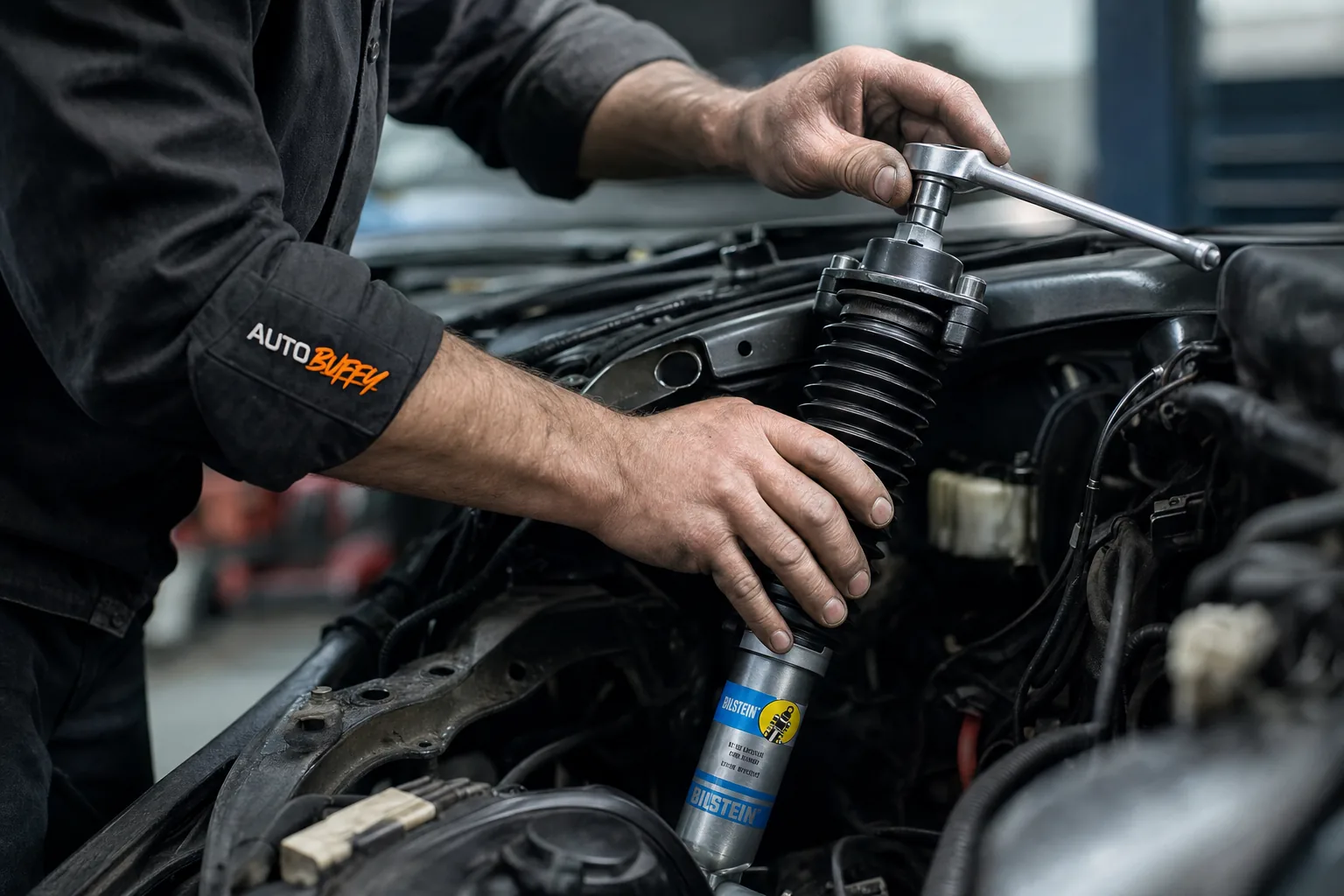
People confuse springs and shocks all the time. Your springs support the weight of the vehicle and absorb the initial impact of a bump. Shocks — technically *dampers* — control how fast the spring rebounds after that impact. Without functional shocks, you'd bounce down the road like a superball.
Inside a conventional shock is a piston moving through hydraulic fluid. Every bump, dip, and pothole cycles that piston. Over thousands of miles, seals wear, fluid breaks down, and the shock loses its ability to control spring movement. It happens gradually, which is partly why so many people don't notice until the wear is significant.
7 Warning Signs Your Shocks Are Worn Out
You don't need a lift to spot most of these — some are obvious from the driver's seat.
- Excessive bounce — Hit a speed bump and the car keeps bouncing two or three times instead of settling immediately. That's classic shock wear.
- Nose-diving under braking — The front of the vehicle dips sharply when you brake. Good shocks control that pitch.
- Body roll in corners — If the car feels like it leans heavily when you change lanes, worn shocks are a likely culprit.
- Cupped or uneven tire wear — This is an underrated warning sign. Worn shocks let tires skip and bounce across the road surface, creating a scalloped wear pattern you can feel in the tread.
- Fluid leaking from the shock body — A wet, oily streak running down the shock is a clear sign the internal seal has failed. That shock is done.
- Vibration through the steering wheel — Can have multiple causes, but worn front shocks contribute to a shaky, unsettled feel on rough surfaces.
- Longer stopping distances — Research referenced by safety organizations has shown that worn shocks can meaningfully increase stopping distance at highway speeds. It's not a small difference in an emergency situation.
If you're seeing two or more of these, get under the car or take it to a shop.
How to Inspect Shock Absorbers Yourself
You don't need fancy equipment for a basic check. Here's a straightforward process:
Visual Inspection (10 minutes)
- Jack up the vehicle safely and support it on stands, or use a lift if you have access to one.
- Look at each shock body. Any oily residue or visible fluid streaking down the housing means the seal is gone.
- Grab the shock and check the mounting bushings. Cracked, crumbling, or missing rubber is a secondary wear indicator.
- Check for physical damage — dents, corrosion, or bent rods.
The Bounce Test (Rough Guide Only)
Push down hard on each corner of the vehicle and release. It should rebound once and settle. Two or more bounces suggests weak damping. This test is useful for catching severely worn shocks, but don't rely on it to certify a good one — a shock can pass the bounce test and still be well past its prime. A proper visual inspection on a lift is always more reliable.
On-Road Feel
After any inspection, take the car on a road you know well. Hit a rough patch and pay attention to how the body moves. Trust your instincts — if it feels floaty, wallowy, or unsettled compared to how it used to drive, that's real data.
Shock Replacement Cost: What to Expect
Parts and labor vary a lot by vehicle, but here's a realistic breakdown.
| Cost Component | Typical Range |
|---|---|
| Shock absorber (each) | $50–$200 |
| Labor (full set of four) | $150–$400 |
| Total (shop, all four) | $250–$800 |
| DIY parts cost (all four) | $150–$600 |
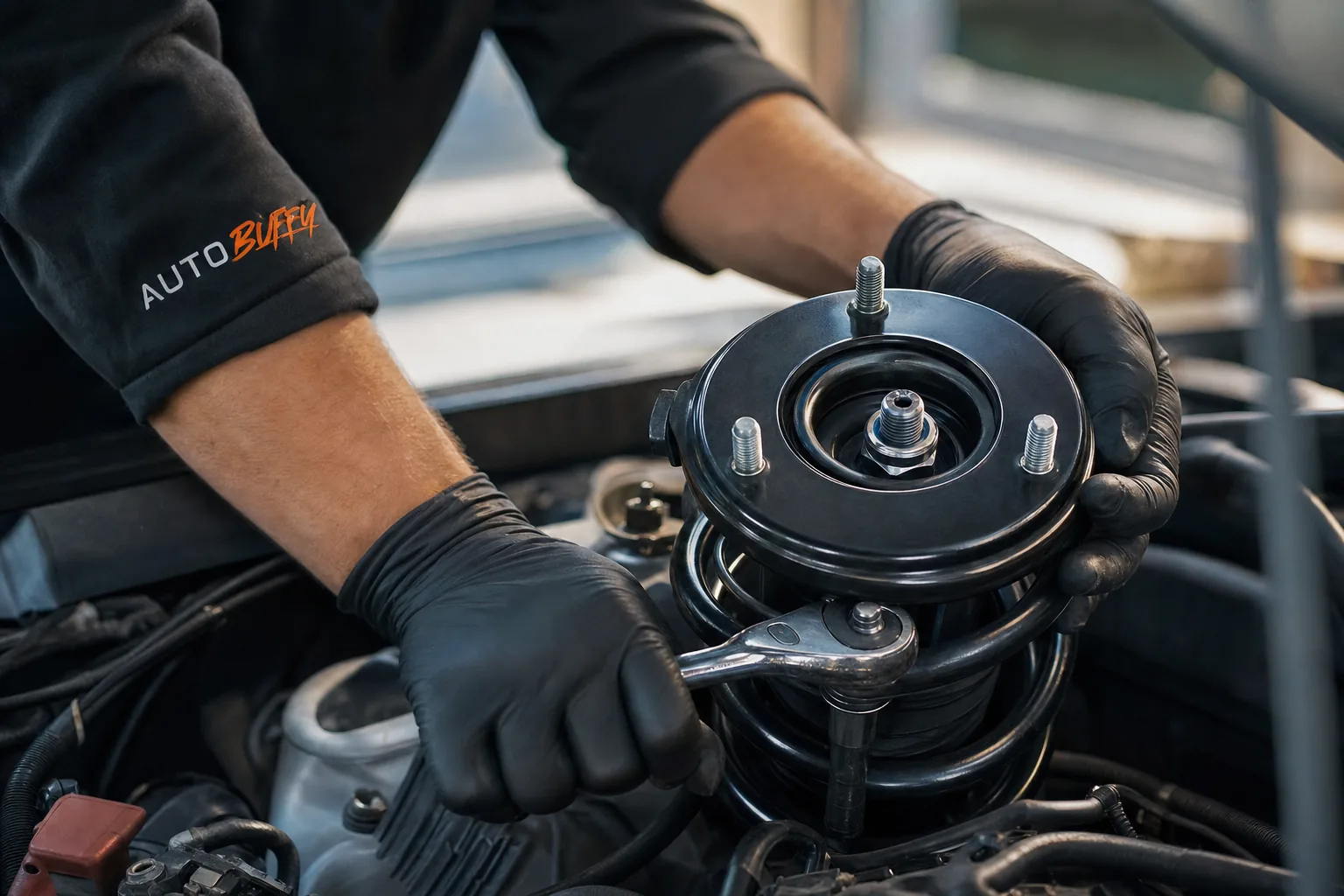
RepairPal's labor estimator is a good sanity check for your specific vehicle before you get quotes. Front struts — which combine the shock and spring into one assembly — cost more to replace than rear shocks because they're more involved to access and require a spring compressor to safely disassemble.
My honest opinion: replacing shocks is one of the better DIY jobs for an intermediate home mechanic. If you're comfortable with a floor jack, jack stands, and basic sockets, you can knock out rear shocks on most trucks and SUVs in an afternoon and save $150–$250 in labor alone.
Always Replace in Axle Pairs
This isn't optional advice — it's how suspension geometry works. If one front shock is worn and you replace only that side, the car will handle differently on each side of the axle. You'll feel it as a pull during braking or a tendency to wander. The cost difference between replacing one shock and replacing both on the same axle is small relative to the performance and safety payoff of having balanced damping.
What Happens If You Ignore Worn Shocks?
Beyond a rougher ride, worn shocks create a cascade of secondary problems:
- Accelerated tire wear — That cupped wear pattern costs you a tire prematurely.
- Stress on other components — Ball joints, tie rods, and control arm bushings all take more abuse when shocks aren't doing their job.
- Reduced road contact — A shock's primary job is keeping your tire pressed against the road. When it fails, your tires skip and bounce, reducing the contact patch available for braking and cornering.
- Longer stopping distances — This is the safety issue that matters most. At 60 mph, a few extra feet of stopping distance is the difference between an incident and an accident.
Choosing the Right Replacement Shock
For most daily drivers, an OE-match replacement is the right call. It restores factory ride quality without any trade-offs. If you tow regularly, carry heavy loads, or want a firmer, more controlled feel, a heavy-duty or gas-charged shock is worth the small price premium — they resist fluid fade better under sustained hard use.
Whatever tier you choose, use the part finder below to confirm the correct fitment for your specific year, make, model, and trim. Shock absorber specs vary more than most people expect between even closely related vehicles.
Sources
- NHTSA — Vehicle Safety Research
- RepairPal — Shock Absorber Replacement Cost Estimator
- KBB — Car Maintenance Tips
Find the right part for your vehicle
Guaranteed fit, ships free
FAQ / People Also Ask
Most shocks last between 50,000 and 100,000 miles under normal driving conditions. Heavy towing, off-road use, or consistently rough roads can shorten that lifespan to 30,000–50,000 miles.
Comments
Loading comments...
Comments are moderated by the AutoBuffy team.