

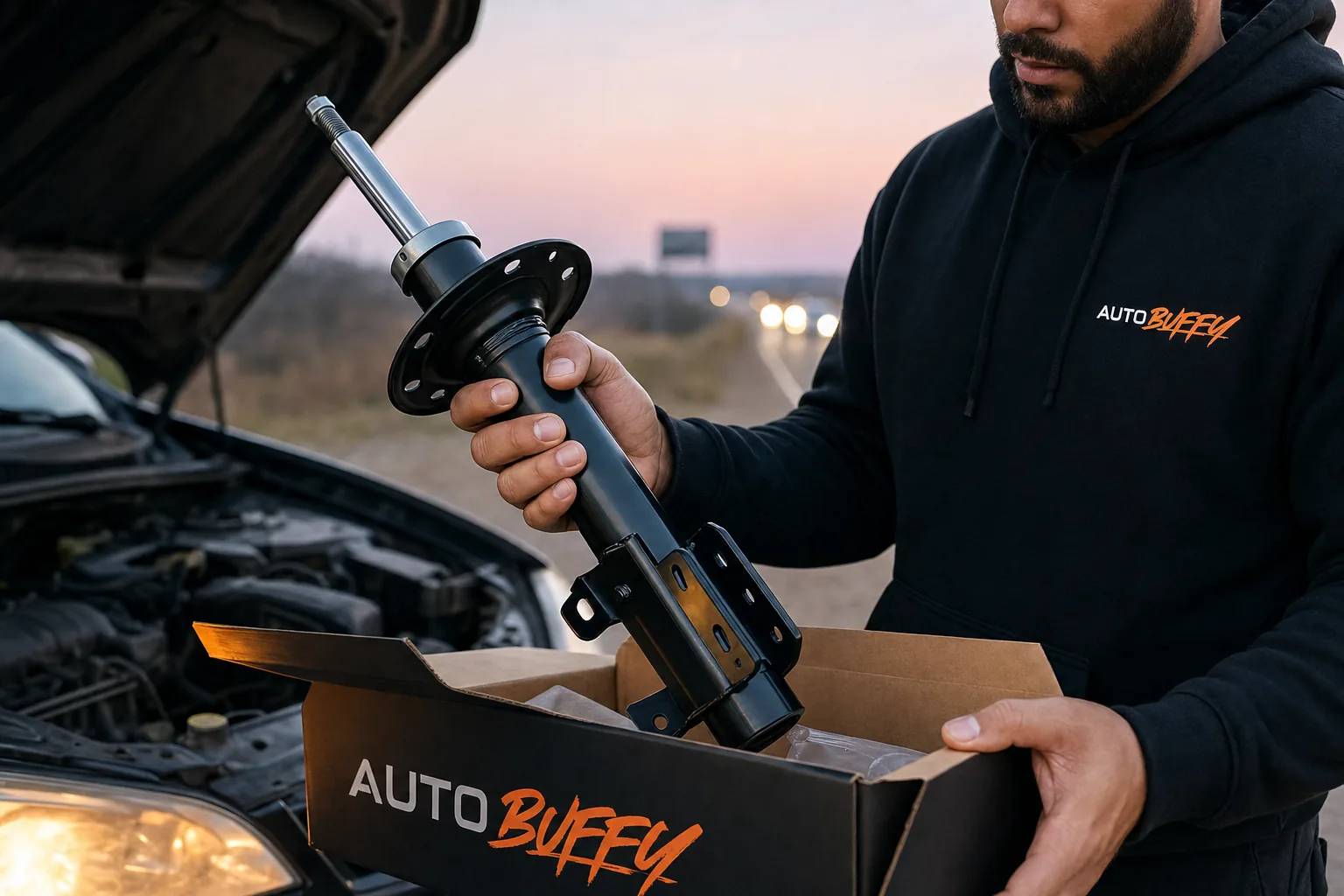
Kia Sorento Struts (2011–2020): What You Need to Know Before You Buy
Replacing struts on a 2011–2020 Kia Sorento? Learn what fits, what it costs, and which brands hold up — generation by generation.
The Short Answer
The 2011–2020 Kia Sorento uses MacPherson struts up front, but parts split into two completely different generations — 2011–2015 (Gen 2) and 2016–2020 (Gen 3) — and mixing them up is one of the most common and costly ordering mistakes owners make.
| Factor | 2011–2015 Sorento (Gen 2) | 2016–2020 Sorento (Gen 3) |
|---|---|---|
| Front Suspension | MacPherson strut | MacPherson strut |
| Rear Suspension | Multi-link (shock + spring or coil-over) | Multi-link (shock + spring or coil-over) |
| Parts Interchangeable? | ❌ No | ❌ No |
| Known TSB? | ✅ TSB-CHA041 (2011–2013 front struts) | Not applicable |
| Typical Part Cost (per strut) | $80–$200 | $90–$250 |
| Typical Labor (per axle) | $150–$300 | $150–$300 |
Why Generation Matters More Than Most People Realize
Kia Corporation redesigned the Sorento significantly between the second and third generations. The body structure changed, the suspension geometry changed, and the mounting hardware changed. A strut that bolts cleanly into a 2014 Sorento will not fit a 2017. This isn't a minor variation — it's a completely different part number. The second-generation Sorento (2011–2015) holds a bit of historical significance: it was the first Kia model manufactured in the United States, built at the West Point, Georgia facility. That's worth knowing mostly as trivia, but it also means there was a strong supply of parts developed for the North American market early in the car's life. Before you order anything, confirm your exact model year, trim level, and whether your vehicle is FWD or AWD. Drivetrain can affect rear suspension configuration — and getting that wrong wastes time and money on returns. ---
The TSB You Should Know About: Front Strut Noise on 2011–2013 Models
If you own an early second-generation Sorento and you're hearing a clunk, creak, or knocking sound from the front suspension, don't just assume it's normal wear. Kia issued Technical Service Bulletin TSB-CHA041 specifically addressing front strut replacement on 2011–2013 Sorento models. This TSB means the issue was known, documented, and has a defined fix. Check with your dealer or a trusted mechanic whether this applies to your VIN before you spend money diagnosing something that already has a known resolution path. > If your 2011–2013 Sorento is clunking up front, TSB-CHA041 should be your first stop — not a guessing game with parts. ---
Front vs. Rear: They're Not the Same Job
Front Struts
The front uses a MacPherson strut setup, which means the strut itself is a structural part of the steering knuckle assembly. Replacing it properly requires either:
- A spring compressor to safely disassemble the old strut and transfer the spring to the new unit, or
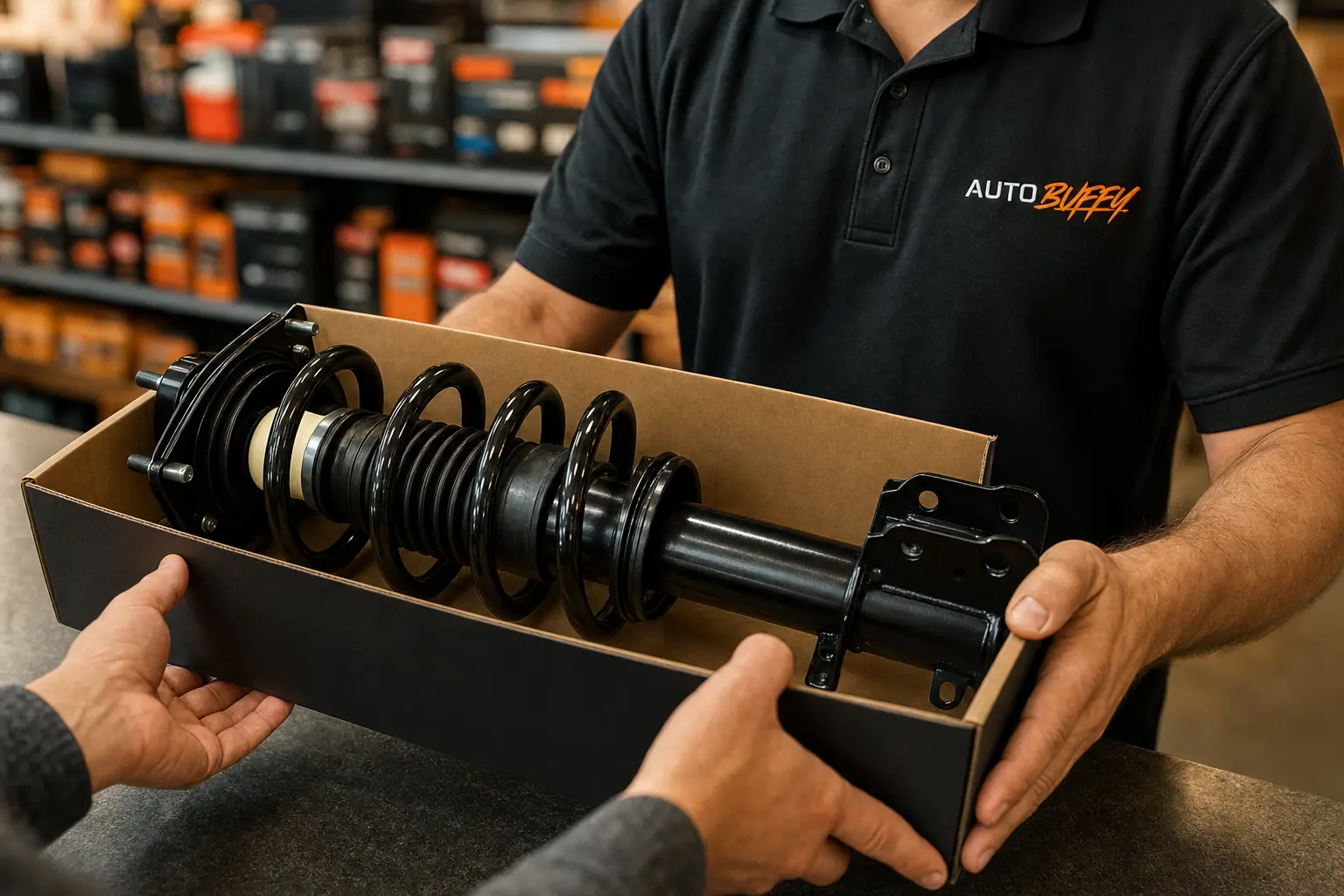
- A complete strut assembly (sometimes called a "quick-strut") that comes with the spring pre-installed, skipping the compression step entirely. Complete assemblies cost more upfront but save labor time and eliminate the spring compressor risk. For a DIYer without professional shop equipment, they're genuinely the safer choice. After any front strut replacement, you need a four-wheel alignment. The strut is part of the geometry. Skip the alignment and you'll wear out your new tires faster than you'd expect — and you'll probably notice the car pulling. ### Rear Struts
The rear multi-link setup is a bit more variable. Depending on your exact year and drivetrain configuration, you may have a separate shock absorber and coil spring, or a coil-over-shock assembly. Rear strut replacement is generally more accessible than the front and, in some configurations, doesn't require a spring compressor. That said, a post-installation alignment check is still a good idea. ---
Which Brands Are Worth Considering? There's no single "best" brand for Sorento struts — it genuinely depends on what you want from the repair. **KYB** is one of the most widely referenced names for OE-equivalent struts. Their Excel-G line mirrors the factory damping characteristics closely, which suits owners who just want the car to feel like it did when it was new. KYB supplies strut components to many OEM programs globally, so the quality pedigree is real. **Monroe** has broad coverage across both Sorento generations and offers complete assembly options that simplify installation. Their OESpectrum line is tuned to replicate factory behavior and is a solid middle-ground pick. **Bilstein** is worth considering if you want a slightly firmer, more controlled feel. Their monotube design handles heat better than twin-tube units under repeated compression — relevant if you drive twisty roads or frequently carry heavy loads. You'll pay more, but the B4 series for the Sorento is a legitimate upgrade over standard OE-equivalent units. **Gabriel** is a budget-friendly option that covers the Sorento range. The quality is adequate for straightforward commuter use, though longevity comparisons at higher mileage tend to favor KYB or Monroe. My honest take: for most Sorento owners doing a routine high-mileage replacement and wanting OE-feel without drama, KYB or Monroe are the practical sweet spot. Bilstein makes sense if you're keeping the car long-term and want the extra durability margin. Gabriel is fine if budget is the primary constraint. ---
Does the 2011–2020 Sorento Have Air Suspension? The vast majority of Sorento models in this range run conventional coil spring struts. Air suspension is not a standard feature on the Sorento lineup for 2011–2020. If you've seen air suspension struts in parts searches, those are typically for other vehicles — double-check the fitment notes carefully. Use the part finder below to confirm what actually applies to your specific Sorento. ---
DIY or Shop? Be Honest With Yourself
Front strut replacement on the Sorento is a moderate-to-advanced DIY job. The main hazard is the coil spring — it stores a significant amount of energy, and a spring compressor used incorrectly can cause serious injury. If you're using a complete assembly, that risk largely goes away. Rear struts, depending on configuration, can be more beginner-accessible. Some rear setups on the Sorento are genuinely straightforward bolt-on replacements. Either way, factor in alignment cost. At most shops that's $80–$130 for a four-wheel alignment. Skipping it to save money almost always costs more in tire wear than you saved. ---
What Worn Struts Actually Feel Like on a Sorento
You'll usually notice a few things before a strut fails completely:
- The car bounces more than once or twice after a bump — it doesn't settle quickly
- Braking feels nose-heavy, with more dive than usual
- Clunking or knocking over rough pavement (especially relevant given TSB-CHA041 on early models)
- Tires wearing unevenly, particularly on the outer edges
- Steering feels slightly vague or the car drifts when you ease off the wheel
Most struts last 50,000–100,000 miles. If your Sorento is past 75,000 miles and hasn't had struts touched, it's worth an inspection even if symptoms are subtle. Worn struts don't just affect comfort — they extend braking distance, which is a safety issue. ---
Why buy from AutoBuffy
- Fitment check: add your vehicle and we confirm the part fits before you buy. If it doesn't fit because of our listing, you get a free return and a full refund, including original shipping.
- 24-month limited warranty on new parts bought on autobuffy.com.
- Real reviews: rated 4.9 by 19,069 verified customers.
- 30-day returns on unused parts in the original packaging.
- Free shipping on orders $50+. Orders placed before 12:00 PM ET (Mon-Fri) ship the same business day.
- Questions about an order? Call 888-477-2530 or email help@autobuffy.com.
Find the right strut for your Kia Sorento
Guaranteed fit, ships free
FAQ / People Also Ask
No. The 2011–2015 Sorento is the second generation and the 2016–2020 is the third generation. Parts are not interchangeable between the two, so always confirm your exact year before ordering.

Comments
Loading comments...
Comments are moderated by the AutoBuffy team.