

Monroe Gas-Magnum vs. Reflex for Trucks: Which Shock Is Right for You?
Gas-Magnum or Reflex? We break down Monroe's two most popular truck shocks so you can pick the right one for how you actually use your truck.
The Short Answer
For trucks that haul, tow, or carry regular bed loads, the Monroe Gas-Magnum is the right call — the Reflex is built for everyday comfort driving, not load-bearing work.
| Feature | Monroe Gas-Magnum | Monroe Reflex |
|---|---|---|
| Design | Gas-charged twin-tube | Gas-charged with variable-rate valving |
| Best for | Hauling, towing, light truck duty | Daily commuting, light SUV use |
| Valving | Fixed-rate, truck-tuned | "Intelligent Suspension" (speed-sensitive) |
| Ride feel | Controlled, firm under load | Softer on small bumps, firms on hard hits |
| Warranty (2026) | 1 year | 1 year |
| Typical per-shock cost | ~$50–$120 | ~$50–$120 |
| Brand/Division | Monroe (Tenneco DRiV) | Monroe (Tenneco DRiV) |
Both shocks come from Monroe, which sits under Tenneco's DRiV aftermarket division. Same family, very different personalities. ---
What Makes the Gas-Magnum Different
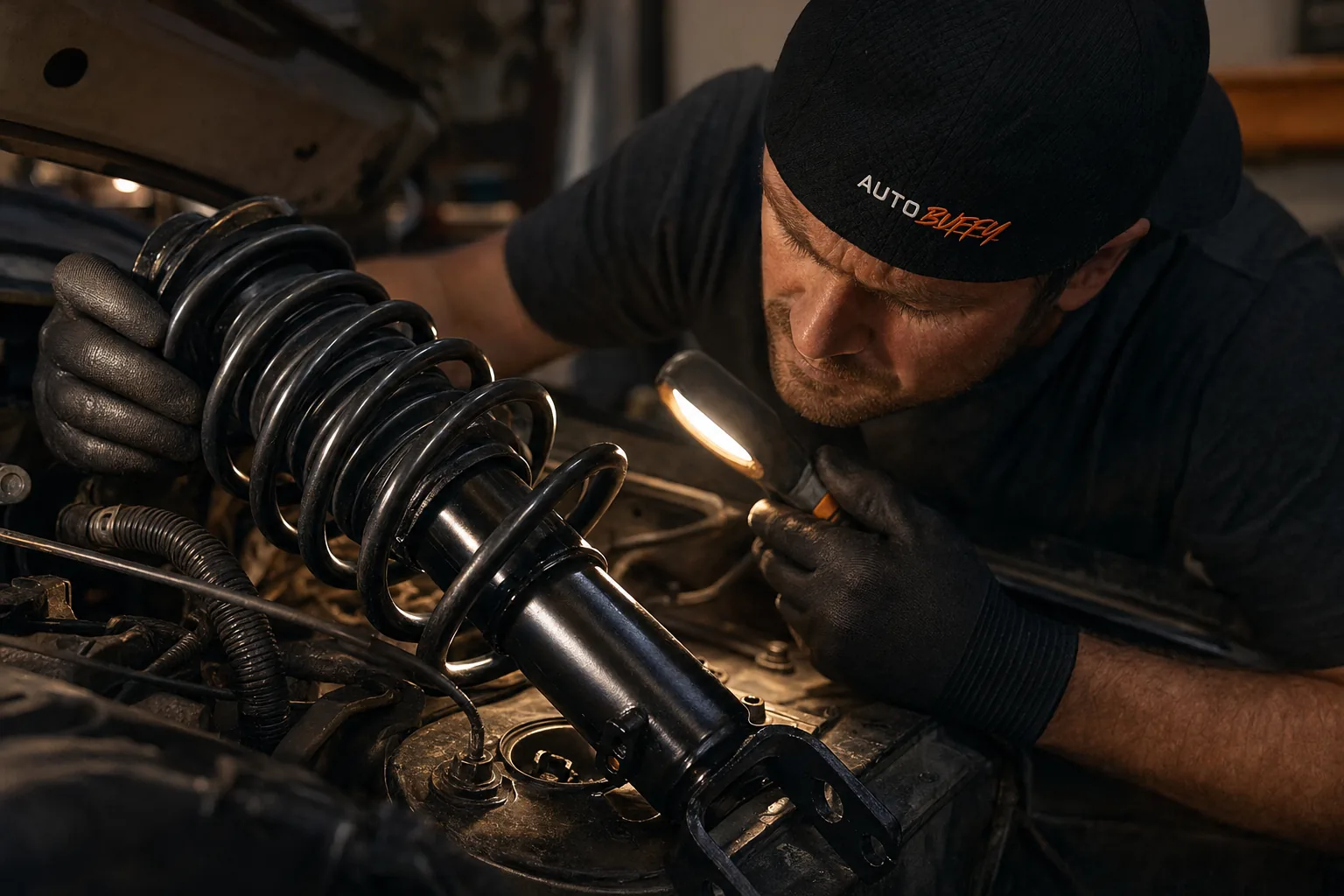
The Gas-Magnum is Monroe's purpose-built truck shock. It's a gas-charged twin-tube design — meaning there's pressurized nitrogen gas inside that reduces fluid foaming when the shock is working hard. That matters a lot when you're running down a highway with a loaded bed or pulling a trailer on a rough country road. The twin-tube layout keeps the valving tuned for body-on-frame trucks and SUVs specifically. It can handle the added suspension load that comes with payload without going mushy or losing control feel. If your F-150, Silverado, or Tacoma spends time at or near its payload rating, this is the shock Monroe designed for that. One thing worth noting: "light truck duty" is doing a lot of work in Monroe's marketing language here. The Gas-Magnum handles occasional towing and bed loads well. It's not a heavy-duty off-road shock, and it shouldn't be confused with the more aggressive options on the market — but for a stock-replacement truck shock that handles real-world truck use, it's a sensible choice. ---
What Makes the Reflex Different
The Monroe Reflex — introduced in 1999 — uses what Monroe calls "Intelligent Suspension" valving. In plain terms: the shock reads how fast your wheel is moving and adjusts its damping response accordingly. A slow roll over a speed bump? Soft and compliant. A hard, sudden pothole hit? The shock stiffens its response automatically. That sounds great on paper, and for daily driving it genuinely works well. The Reflex is a comfortable, composed shock for commuter trucks and crossover SUVs where ride quality matters more than payload performance. The problem for truck owners is that variable-rate valving tuned for ride comfort doesn't translate well to hauling duty. When you add payload, you need consistent, predictable damping — not a system optimized for bump absorption at light curb weight. The Reflex wasn't designed for that use case, and it shows when you load the truck up. ---
Head-to-Head: Key Differences That Actually Matter
Valving and Damping Character
The Gas-Magnum uses fixed-rate valving tuned specifically for truck suspension loads. The Reflex uses speed-sensitive variable-rate valving tuned for ride comfort. These aren't subtle differences — they produce noticeably different ride characteristics. In my experience, drivers who switch from Reflex to Gas-Magnum on a working truck almost always say the truck feels "planted" in a way it didn't before. That's the consistent damping doing its job under load. ### Warranty Coverage
Both lines carry a 1-year warranty as of 2026. That's worth calling out because it's shorter than what you'll find on some competing brands. If you're putting serious miles on a work truck, a longer warranty can be a meaningful factor in your decision — and it's one reason some buyers look beyond Monroe entirely for high-mileage applications. ### Pricing
Per-shock pricing for both lines typically falls in the $50–$120 range depending on the specific application. They're priced similarly, which means the decision really does come down to use case, not budget. ---
When to Consider Other Brands Entirely
Monroe makes decent shocks for everyday use. But if your truck use goes beyond "occasional hauling" — think serious off-roading, frequent towing near maximum capacity, or lifted suspension setups — you should be looking at alternatives. Bilstein's monotube shocks, for example, use a single-tube design that runs cooler and maintains more consistent damping under sustained hard use. Their 60mm monotube line is purpose-built for demanding applications. The trade-off is price: Bilstein units command a significant premium over Monroe. For a work truck that genuinely earns its keep, though, that premium often makes sense over the long run. For trucks with air suspension, Dorman offers rear air shock assemblies worth considering as direct replacements — particularly useful when factory air systems start failing and you need a reliable OE-spec alternative. Motorcraft is worth a look if you're running a Ford and want to stay close to OE specs without going aftermarket — their shocks are engineered to Ford's tolerances and often feel indistinguishable from what came on the truck new. The honest answer is: Monroe is a fine budget-to-midrange option. Demanding truck owners often outgrow it. ---
Which One Should You Buy? Here's the simple breakdown:
- You tow or haul regularly → Gas-Magnum
- You mostly commute, light daily driving → Reflex
- You need serious off-road or heavy-duty performance → Look at Bilstein or comparable monotube options
- You want to stay OE-spec on a Ford → Motorcraft is worth a look
The Gas-Magnum wins for anyone calling this a "truck shock" comparison — because it's actually a truck shock. The Reflex is better described as a comfort-tuned replacement for trucks that don't do much truck work. That's not a knock; plenty of truck owners never load their beds. Know which category you're in. ---
Installation: What to Expect
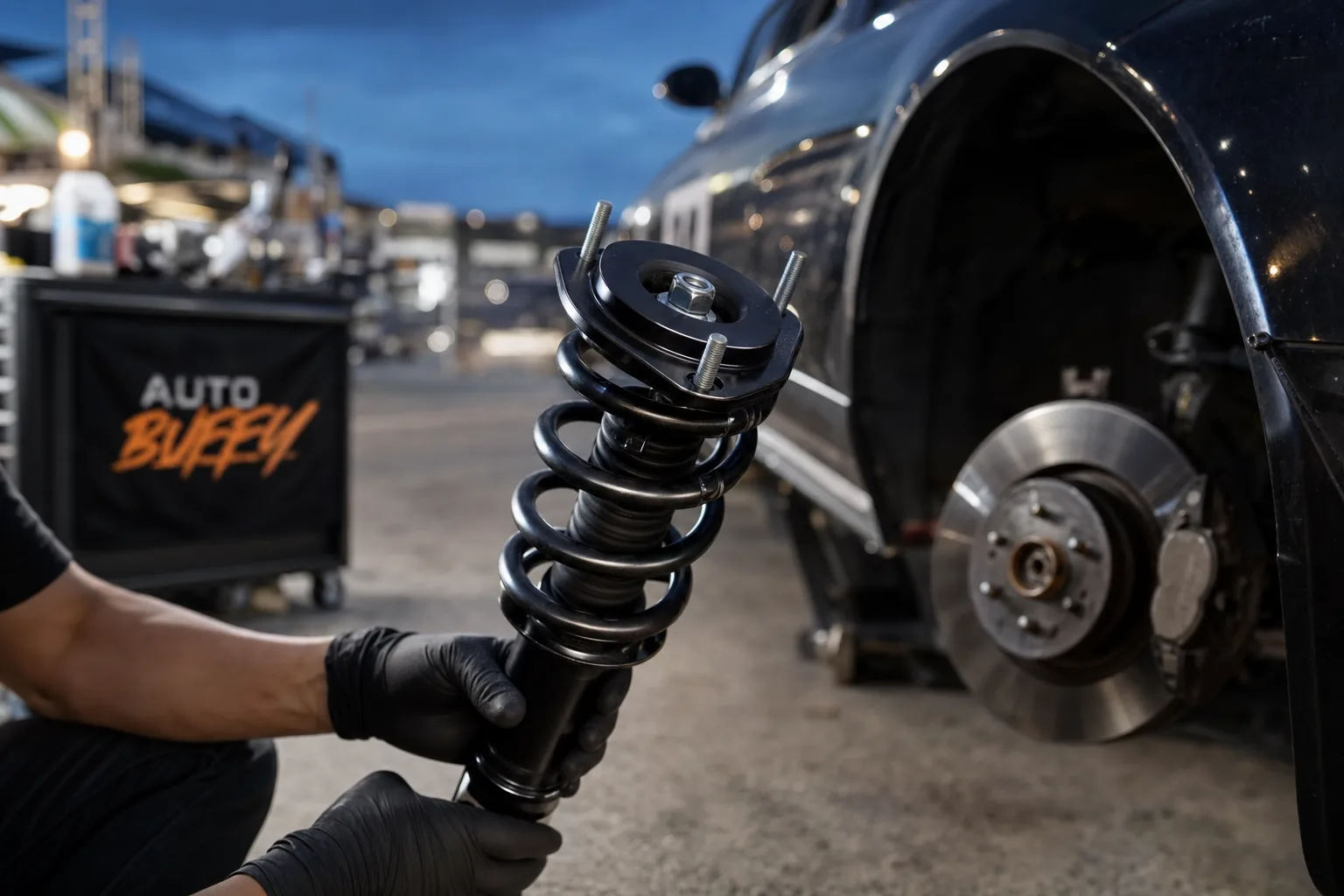
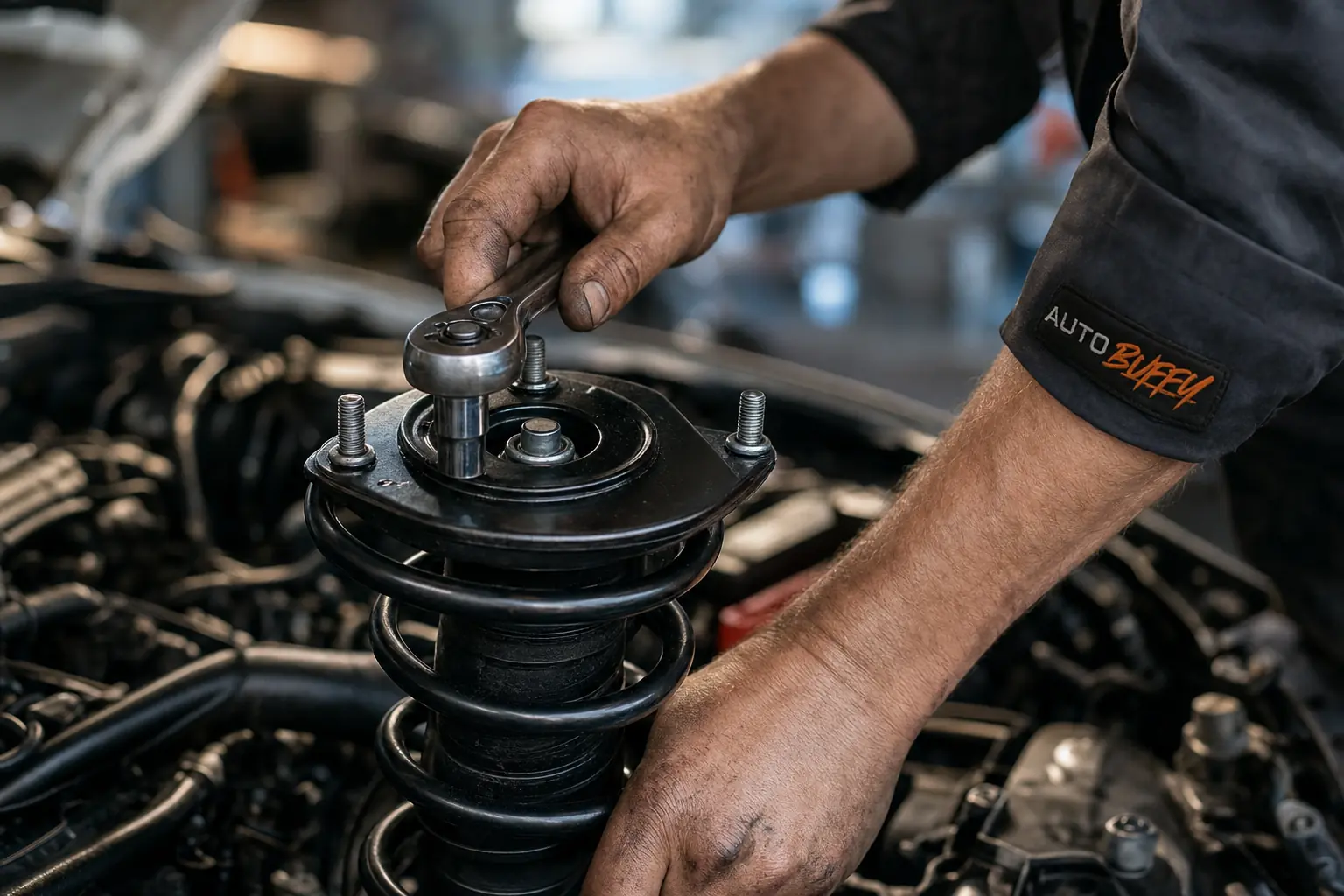
Rear shocks on most body-on-frame trucks are a straightforward DIY job — two bolts top and bottom, maybe 45 minutes per side if you're comfortable under a vehicle. Front shocks can be more involved depending on the platform, and some configurations require a spring compressor. Budget $150–$300 per axle for professional installation at an independent shop, though rates vary significantly by region and vehicle type. Complex suspension setups — air systems, corner modules — cost more. Always replace shocks in axle pairs. One worn shock and one new one will give you uneven handling, and you'll end up doing the job twice. ---
Why buy from AutoBuffy
- Fitment check: add your vehicle and we confirm the part fits before you buy. If it doesn't fit because of our listing, you get a free return and a full refund, including original shipping.
- 24-month limited warranty on new parts bought on autobuffy.com.
- Real reviews: rated 4.9 by 19,069 verified customers.
- 30-day returns on unused parts in the original packaging.
- Free shipping on orders $50+. Orders placed before 12:00 PM ET (Mon-Fri) ship the same business day.
- Questions about an order? Call 888-477-2530 or email help@autobuffy.com.
Find the right shock absorber for your vehicle
Guaranteed fit, ships free
FAQ / People Also Ask
Yes, for towing and hauling the Gas-Magnum is the better choice. Its gas-charged twin-tube design is specifically engineered for pickup trucks and body-on-frame SUVs that carry bed loads or tow trailers. The Reflex is tuned for a more compliant everyday ride and isn't positioned as a load-carrying shock.

Comments
Loading comments...
Comments are moderated by the AutoBuffy team.