


Nissan Altima Struts (2002–2018): What They Cost, When to Replace, and Which Brand to Buy
Everything Nissan Altima owners need to know about strut replacement — symptoms, costs, and honest brand picks for 2002–2018 models.
The Short Answer
Nissan Altima struts (2002–2018) typically need replacement between 50,000 and 100,000 miles, cost $400–$750 installed per axle at an independent shop, and KYB is the strongest all-around brand pick because it's an actual OE supplier to Nissan.
| Factor | Details |
|---|---|
| Affected Years | 2002–2006 (3rd gen), 2007–2012 (4th gen), 2013–2018 (5th gen) |
| Typical Replacement Interval | 50,000–100,000 miles |
| Parts Cost Per Strut | $80–$220 depending on brand and generation |
| Labor Per Axle (shop) | $150–$300 |
| Alignment (required after) | $80–$120 |
| Total Installed Cost Per Axle | ~$400–$750 |
| Front Suspension Type | MacPherson strut (all years) |
| Always Replace In | Axle pairs (both fronts or both rears) |
Why Altima Struts Wear Out Faster Than You'd Expect
The Nissan Altima is a family sedan built for comfort, not track duty — but that priority actually puts the struts under more stress, not less. A comfort-tuned suspension uses softer valving to absorb bumps, which means the damper works through a wider range of motion on every road imperfection. Over time, that wears the internal seals faster than a stiffer sport setup would. Add in the fact that most Altimas spend their lives in urban environments — potholes, speed bumps, heavy stop-and-go loading — and it's not surprising that many owners are looking at strut replacement well before the 100,000-mile mark. I've seen 4th-gen Altimas come in for an oil change showing obvious strut leak at 65,000 miles. It's not uncommon. ---
How to Tell If Your Nissan Altima Struts Are Done
Don't wait for a warning light — struts don't trigger one. You're diagnosing this with your eyes, ears, and seat of the pants. Physical signs to check yourself:
- Oil streaks or wetness running down the strut body (seal failure)
- Visible corrosion on the strut housing
- Cupped or scalloped tire wear — this is a big one, and it means the tire is bouncing rather than staying planted
What you'll feel driving:
- The car keeps bouncing 2–3 times after hitting a bump instead of settling immediately
- Nose-dives sharply under moderate braking
- Steering feels vague or the car wanders on the highway
- Clunking or knocking over bumps, especially in cold weather
A simple field test: Push down hard on one corner of the car and let go. It should rebound once and stop. If it keeps oscillating, that strut is cooked. ---
Generation-by-Generation Breakdown
2002–2006 Altima (3rd Generation)
This generation introduced the QR25DE four-cylinder and the VQ35DE V6 — and the two engines use different front strut specifications. The V6's added weight means heavier-duty front dampers, so make sure you're filtering by engine when you shop. Rear struts on this gen are relatively simple to access. These cars are old enough now that most are past two strut replacements. ### 2007–2012 Altima (4th Generation)
Probably the most common Altima you'll see needing struts right now. The 4th gen grew slightly in wheelbase and curb weight, and the front MacPherson struts are a known wear item by 70,000–80,000 miles for city-driven examples. Coupe variants (2008–2013) share much of the platform but can have slightly different rear strut geometry — always confirm fit by year and body style. ### 2013–2018 Altima (5th Generation)
The 5th gen is a larger, heavier car with a revised suspension tune. Struts on this generation tend to be a bit more durable, but 2013–2015 models with higher mileage are starting to show up needing attention. The good news: aftermarket coverage for this generation is now fully mature, so you have plenty of options. ---
Which Strut Brand Should You Buy? This is the question everyone actually wants answered, so let's be direct about it. ### KYB — The Strongest Pick for Most Altima Owners
KYB Corporation is the world's largest supplier of OE and aftermarket shocks and struts, headquartered in Tokyo, Japan, and listed on the Tokyo Stock Exchange. More importantly for Altima owners: KYB is a verified OE supplier to Nissan. That means they make struts that go into new Nissans on the assembly line. When you buy KYB for your Altima, you're buying a product engineered to Nissan's own tolerances. Their Excel-G line is the OE-replacement choice — same ride quality your Altima had when new. The Gas-a-Just line runs at higher pressure for a noticeably firmer feel, which some drivers prefer, especially on the 4th and 5th gen cars that can feel floaty at highway speeds with worn struts. My honest take: for 90% of Altima owners, the Excel-G is the right call. It's not the cheapest option, but the OE supplier pedigree is worth the few extra dollars when you're counting on this car for daily transport. ### Monroe — A Solid Everyday Option
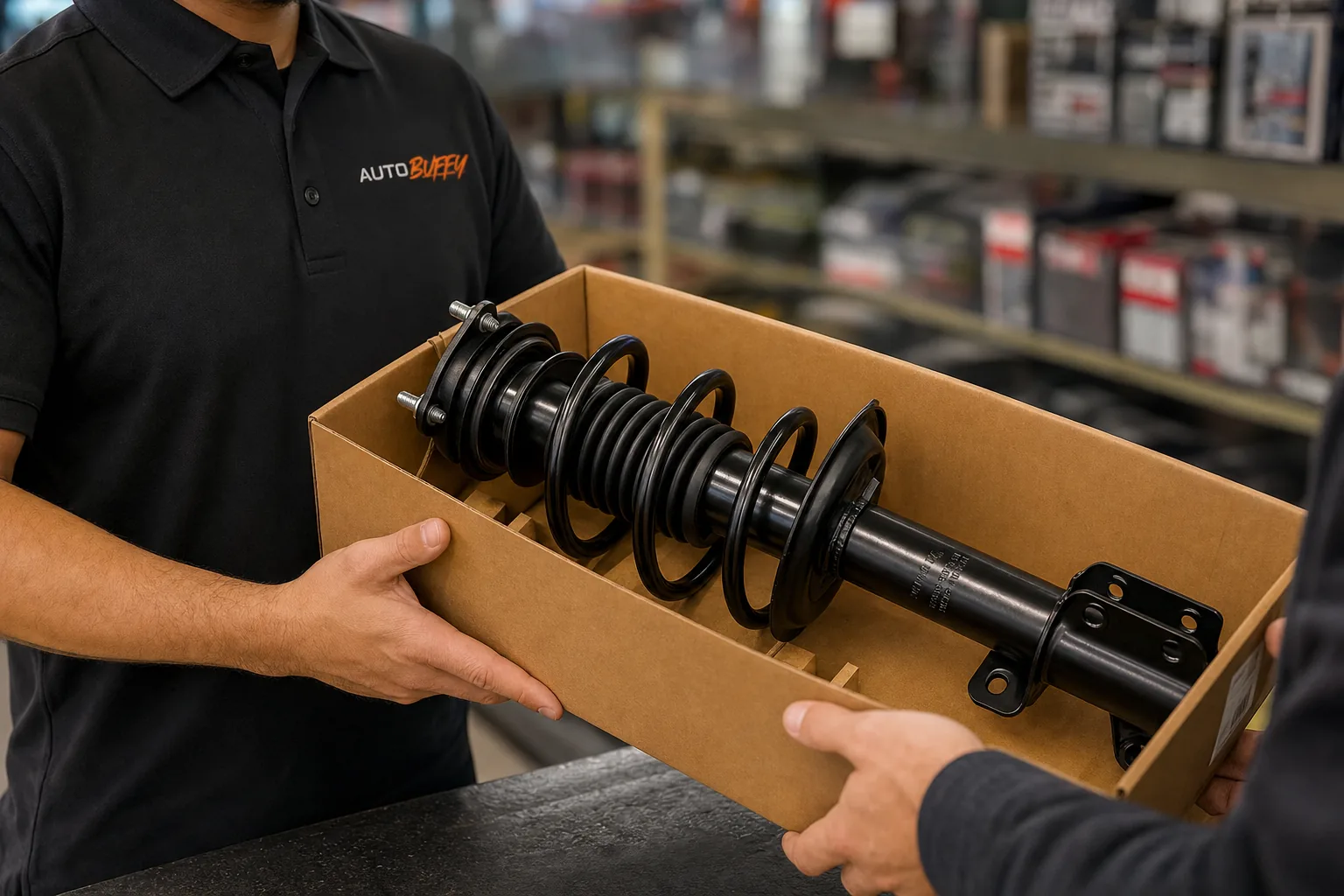
Monroe struts, manufactured by Tenneco and operating under parent organization DRiV Incorporated, have deep coverage across the Altima lineup. Their OESpectrum line is specifically engineered to replicate factory ride quality — it's calibrated to the OE specifications rather than just dropping in a generic valving tune. Monroe is a legitimate choice, especially for owners prioritizing ride comfort over any kind of performance upgrade. Coverage across 2002–2018 Altima years is broad. If you find a good price on Monroe OESpectrum, don't hesitate. ### What About Quick Strut Complete Assemblies? Monroe's Quick-Strut kits bundle the strut, spring, upper mount, and bearing plate into one ready-to-install unit. For a 3rd or 4th gen Altima where the spring and top hat are also worn, this saves real time and avoids the need for a spring compressor — a genuine safety consideration. The tradeoff is that you're committing to whatever spring rate comes in the kit. For most Altima owners, that's fine. ---
Should You DIY or Pay a Shop? Front strut replacement on an Altima requires a spring compressor to transfer the coil spring to the new strut. If you've never used one, this is not the job to learn on — a spring under compression stores enormous energy and can cause serious injury if it releases unexpectedly. If you're mechanically experienced and have the right equipment, it's a manageable Saturday job. Rear struts are more approachable for confident DIYers, particularly on the 4th and 5th gen cars where access is decent. **Either way, you need a wheel alignment after.** No exceptions. Struts are part of your suspension geometry, and replacing them shifts caster and camber angles. Skip the alignment and you'll destroy your new tires within a few thousand miles. ---
The Alignment Question — Budget It In
"Replacing struts without an alignment is like putting new brake pads on and not bleeding the lines. You've done half the job."
A standard two-axle alignment runs $80–$120 at most shops. Some shops bundle it at a discount when you're already in for struts. Either way, factor it into your total cost before deciding between DIY and having a shop handle everything. ---
What to Expect After New Struts
Most drivers are genuinely surprised how different their Altima feels after a proper strut replacement. The car settles over bumps instead of floating. Braking feels more confident. Highway lane changes feel tighter and more predictable. If your struts were badly worn, you may also notice your tires wearing more evenly within the next rotation cycle. Give the new struts about 500 miles to fully break in before you render a final verdict on ride quality — especially with gas-charged units, which can feel slightly stiff for the first few hundred miles. ---
Why buy from AutoBuffy
- Fitment check: add your vehicle and we confirm the part fits before you buy. If it doesn't fit because of our listing, you get a free return and a full refund, including original shipping.
- 24-month limited warranty on new parts bought on autobuffy.com.
- Real reviews: rated 4.9 by 19,069 verified customers.
- 30-day returns on unused parts in the original packaging.
- Free shipping on orders $50+. Orders placed before 12:00 PM ET (Mon-Fri) ship the same business day.
- Questions about an order? Call 888-477-2530 or email help@autobuffy.com.
Find the right struts for your Nissan Altima
Guaranteed fit, ships free
FAQ / People Also Ask
Parts alone typically run $80–$220 per strut depending on brand and generation. Add $150–$300 per axle for professional labor, plus a wheel alignment (usually $80–$120) that's mandatory after any strut job. Total out-of-pocket for a full front or rear replacement generally lands in the $400–$750 range at an independent shop.


Comments
Loading comments...
Comments are moderated by the AutoBuffy team.