

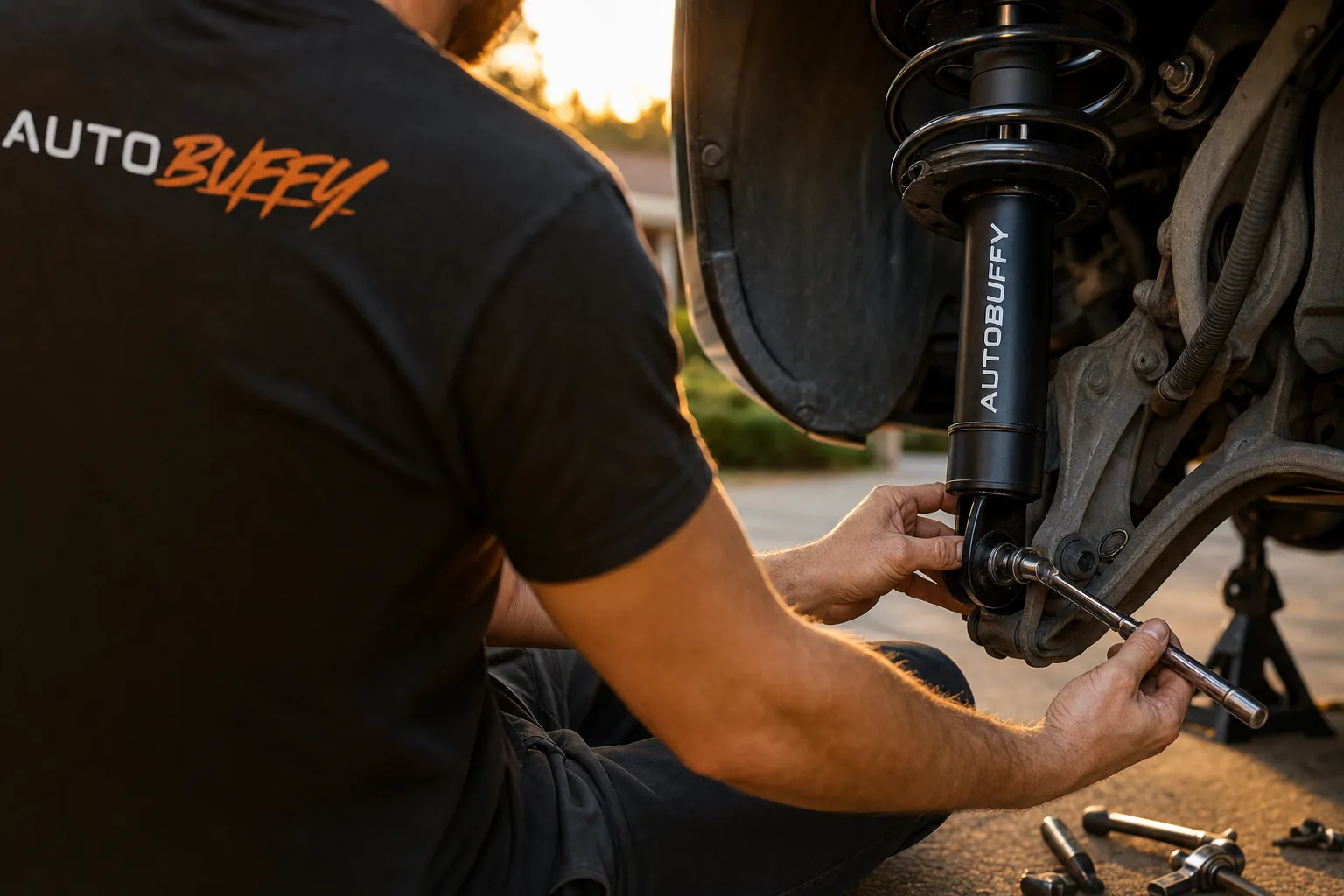
Semi Truck Shocks: Monroe Magnum Replacement Intervals for Fleets
Fleet managers: here's exactly when to replace Monroe Magnum semi truck shocks, what inspection intervals Monroe recommends, and how to cut downtime costs.
The Short Answer
Monroe recommends inspecting semi truck shocks every 50,000 miles for off-pavement fleets and no longer than every 200,000 miles for on-highway use — and the Gas-Magnum 65 is Monroe's Class 6–8 answer for both.
| Use Case | Inspection Interval | Typical Replacement Trigger |
|---|---|---|
| Off-pavement / vocational | Every 50,000 miles | Leaks, cupped tires, bounce |
| On-highway line-haul | Every 200,000 miles max | Same signs + driver complaints |
| Post-incident | Immediately | Any hard impact or rollover event |
| New fleet unit | At delivery inspection | Verify OE units are serviceable |
Those intervals come straight from Monroe's commercial vehicle documentation — not from a general rule of thumb. Fleet managers who ignore them don't just risk ride quality. They risk braking distance, tire life, and CSA scores. ---
Why Semi Truck Shocks Wear Differently Than Passenger Car Units
A Class 8 truck isn't a big car. The physics are completely different. Gross vehicle weights up to 80,000 lbs, sustained highway miles, loaded-vs-empty weight swings, and constant road vibration put demands on a shock absorber that passenger units aren't built for. The hydraulic fluid inside a conventional shock can aerate — essentially foam up — under prolonged, high-frequency cycling. Once that happens, damping becomes inconsistent. The truck might feel fine empty and wander under load. Or it might pass a quick visual inspection and still add 20 feet to a stopping distance. That's the problem Monroe engineered around with the Gas-Magnum 65. ### What Makes the Gas-Magnum 65 the Right Spec for Most Fleets
The Gas-Magnum 65 is nitrogen gas-charged and built specifically for Class 6–8 vehicles. Monroe describes it as the first gas-charged, large-bore shock explicitly designed for air spring and taper leaf suspensions — which covers the vast majority of North American commercial truck configurations. The nitrogen charge serves one primary purpose: it keeps the hydraulic fluid from aerating under hard cycling. That's not a marketing feature — it's the difference between consistent damping at mile 1 and mile 200,000. Monroe's own technical documentation calls it "the fast response essential for today's heavy truck suspension systems."
For fleets running tandem rear axles, air-ride steer axles, or traditional taper leaf setups, the Gas-Magnum 65 fits into the suspension architecture your trucks already use. You're not adapting around it. ---
The Real Cost of Skipping Inspection Intervals
Here's an opinion worth backing up with a number: I'd argue shock neglect is the most under-budgeted line item in fleet maintenance. Studies have shown degraded shocks can reduce tire life by up to 47% through uneven wear. On a fleet running 18-wheelers, that's not a small number — trailer tires alone can run $500–$700 per unit. The math works like this. A set of semi truck shocks runs in the range of a few hundred to over a thousand dollars per axle set depending on the truck and configuration. A set of prematurely cupped drive tires on one axle can easily cost more than that — and you replaced those shocks on a schedule anyway, just not your schedule. Planned replacement beats reactive replacement every time. The labor window is identical; the downtime is controlled. ---
Identifying Worn Shocks Before They Fail the Fleet
Visual inspection catches the obvious stuff. Here's what your techs should be looking for during each PM interval:
- Oil weeping or streaking on the shock body — some surface residue is normal, but active dripping is not
- Physical damage to the body, mounts, or bushings — corrosion, bends, or cracked mounts all compromise performance
- Cupped or scalloped tire wear on drive or steer tires — this is often the first symptom fleet managers notice
- Bump test results — push down on the cab or frame and count rebounds. More than two full rebounds after release is a red flag
- Driver reports of cab float, wander, or extended settling after road irregularities
Don't overlook driver feedback. A driver who runs the same route every week will notice when the cab behavior changes before any instrument can. Build that feedback loop into your PM system. ---
Monroe's Warranty Position on Magnum Shocks
Monroe offers a limited lifetime warranty on its Magnum shock absorbers. For fleet purchasing decisions, that matters — it's one of the few heavy-duty shock lines that doesn't leave you negotiating a pro-rated return on a $400 unit at mile 180,000. Keep your purchase documentation. Warranty claims without proof of purchase get complicated fast, and fleet parts departments sometimes let that paperwork slip. ---
Replacement in Practice: What Axle-Set Scheduling Looks Like
For line-haul fleets, the simplest approach is to tie shock replacement to major tire rotations or brake relining events. Both involve pulling wheels and getting under the axle anyway. Adding shock inspection — and replacement when warranted — to that labor window costs almost nothing in additional shop time. For vocational fleets (dump, mixer, flatbed, roll-off), the 50,000-mile inspection interval is the right anchor. These trucks live on unpaved job sites, haul max legal loads repeatedly, and cycle their suspensions thousands of times per shift. Don't apply line-haul intervals to off-pavement duty cycles. Monroe makes that distinction explicitly for a reason. ### Pairing and Replacement Logic
Replace shocks in axle pairs at minimum. One worn shock on a steer axle throws off handling balance in a way that's difficult to diagnose later and easy to prevent now. For fleet units approaching 150,000–175,000 on-highway miles, doing all driven-axle shocks in one event is cleaner than staggering replacements. Monroe offers shock sets covering both rear axle positions in a single kit for many fitments — check the part finder below for what's available for your specific truck's year, make, and configuration. ---
How Monroe Fits Into the Broader Tenneco / DRiV Structure
Monroe operates under DRiV Incorporated, part of Tenneco — which has been privately held since its acquisition by funds managed by Apollo Global Management affiliates in November 2022. The practical implication for fleet buyers: Monroe remains a standalone commercial brand with its own engineering documentation, warranty administration, and fitment database. That infrastructure hasn't changed. For fleets with approved vendor lists, Monroe's commercial vehicle division (monroeheavyduty.com) maintains the product specs and fitment data you'd need for procurement documentation. ---
Finding the Right Monroe Magnum for Your Truck
Fitment on Class 6–8 trucks is more specific than most catalog lookups account for. Suspension configuration, cab type, axle rating, and model year all feed into the correct part number. Don't guess based on a visual match to an existing shock — use the part finder below to get a guaranteed-fit result for your exact vehicle and see current pricing.
Why buy from AutoBuffy
- Fitment check: add your vehicle and we confirm the part fits before you buy. If it doesn't fit because of our listing, you get a free return and a full refund, including original shipping.
- 24-month limited warranty on new parts bought on autobuffy.com.
- Real reviews: rated 4.9 by 19,069 verified customers.
- 30-day returns on unused parts in the original packaging.
- Free shipping on orders $50+. Orders placed before 12:00 PM ET (Mon-Fri) ship the same business day.
- Questions about an order? Call 888-477-2530 or email help@autobuffy.com.
- Shop or fleet? Call 301-463-4380 for shop pricing.
Find the right part for your vehicle
Guaranteed fit, ships free
FAQ / People Also Ask
Monroe's own commercial vehicle guidance recommends inspection every 50,000 miles for off-pavement use and no longer than every 200,000 miles for on-pavement use. Replacement depends on wear found during inspection — don't just swap by the calendar without actually checking the hardware.
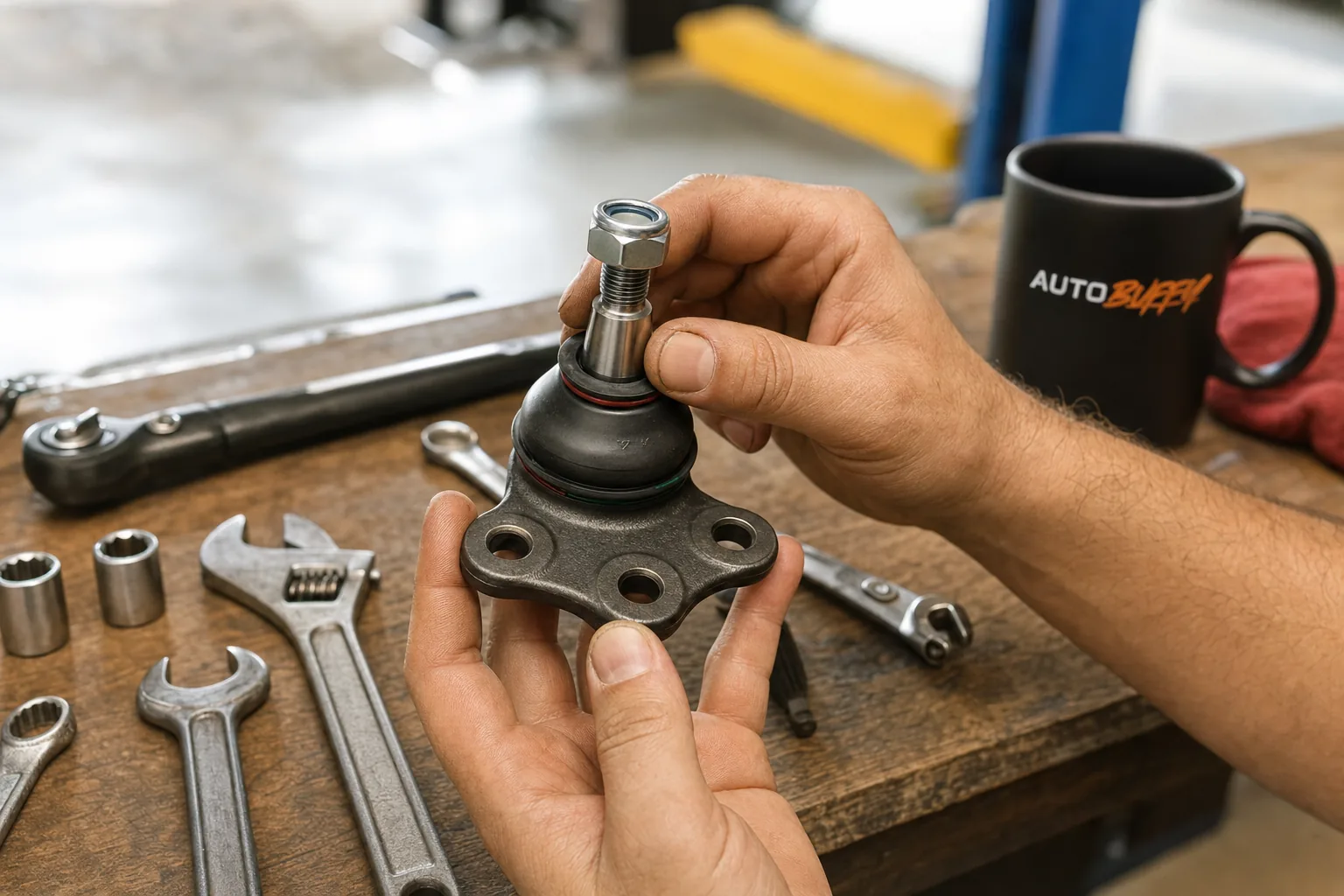
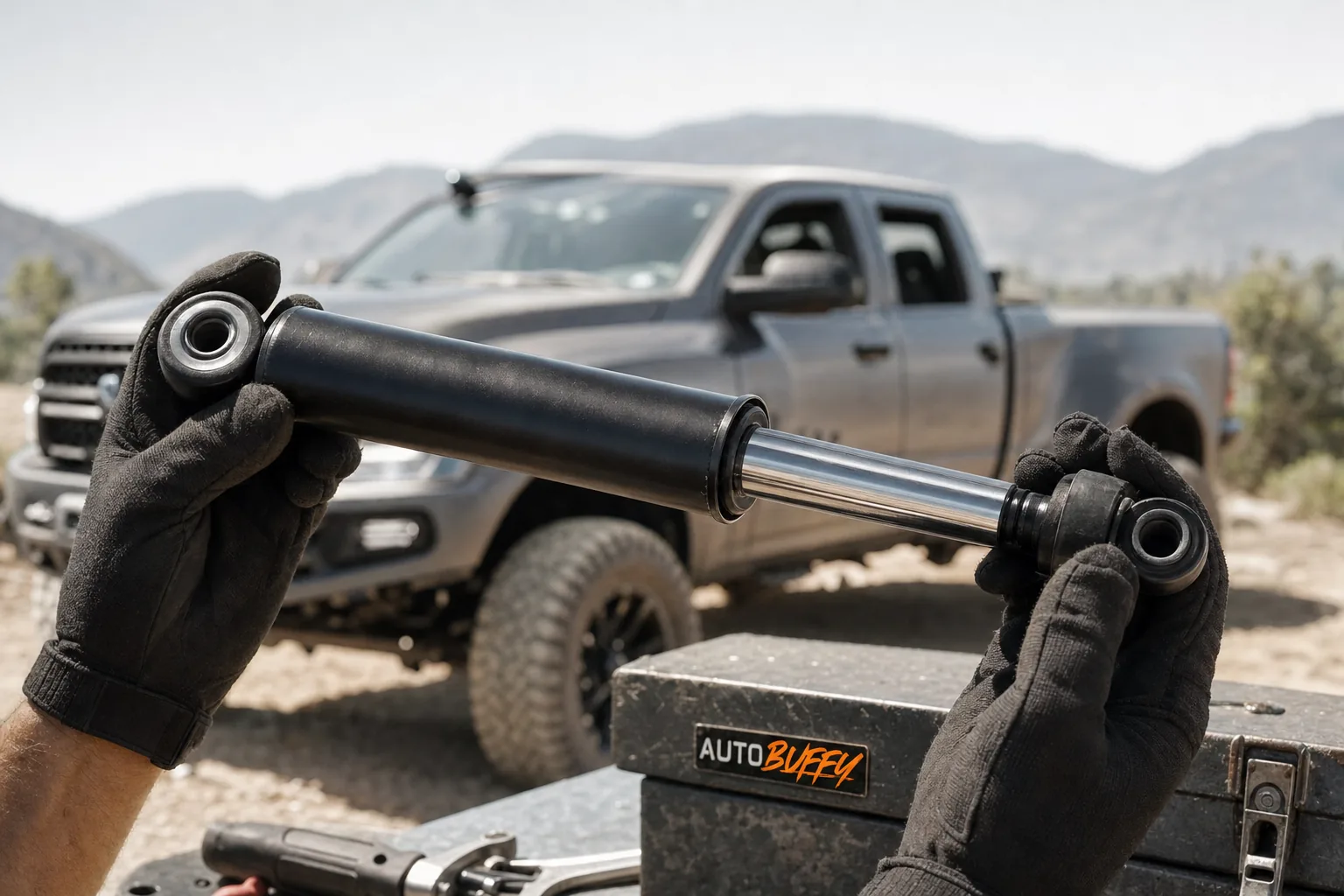
Comments
Loading comments...
Comments are moderated by the AutoBuffy team.