


Sway Bar Bushing Replacement Cost and Bad Bushing Symptoms
How much does sway bar bushing replacement cost? RepairPal says $206–$289. Learn bad bushing symptoms, DIY tips, and how to save on parts.
The Short Answer
Sway bar bushing replacement costs $206–$289 at a shop (RepairPal, June 2026), with parts alone running just $10–$30 — meaning most of the bill is labor.
| Cost Factor | Typical Range |
|---|---|
| Parts only (bushings/kit) | $10–$30 (retail singles); kits often under $40 |
| Labor rate | $70–$100/hour |
| Total at a shop | $206–$289 (RepairPal Jun 2026) |
| AutoNation Mobile Service estimate | $200–$280 |
| Complex vehicles (active suspension, subframe removal) | $1,000+ |
| DIY cost (parts only) | $15–$65 depending on kit |
If your car's clunking over every pothole and leaning like a sailboat in corners, there's a good chance your sway bar bushings are shot. The good news: this is one of the more affordable suspension fixes out there, and on most vehicles it's a legitimate weekend DIY job. ---
What Does a Sway Bar Bushing Actually Do? The sway bar (also called the stabilizer bar or anti-roll bar) connects the left and right sides of your suspension. When you corner, it resists the body rolling outward by transferring load across the axle. The bushings are what clamp that bar to the vehicle's frame or subframe — they're small rubber (or polyurethane) sleeves that keep the bar centered, reduce vibration, and allow it to rotate slightly as the suspension compresses and rebounds. Here's the thing: **the sway bar itself rarely wears out.** It's almost always the bushings and end links that go first, drying out and cracking over tens of thousands of miles. Once they're worn enough, you'll know it. ---
5 Symptoms of Bad Sway Bar Bushings
1. Clunking or Rattling Over Bumps
This is the most common complaint — a hollow knocking sound that happens at low speed over rough pavement, speed bumps, or parking lot transitions. It's often worse in cold weather when rubber stiffens up. ### 2. Squeaking When Cornering or Turning
A dry or cracked bushing will squeak as the bar rotates inside it. This one gets annoying fast and tends to get louder before it gets better. ### 3. Increased Body Roll in Corners
If the car feels like it's leaning more than usual through turns, or the steering response feels loose and floaty, worn bushings are a prime suspect. The sway bar can't do its job when the bushings are letting it shift around. ### 4. Vague or Imprecise Steering Feel
This one's subtle but real. When the whole front suspension feels "soft" or disconnected, degraded bushings throughout the system — including the sway bar — are often part of the picture. ### 5. Visible Cracking or Deformation
If you can get under the car and look at the bushing bracket, a bad bushing will often show visible cracking, flattening, or it may have separated from the bar entirely. If you can grab the sway bar and feel it moving freely inside the bracket, it's time. ---
Rubber vs. Polyurethane Bushings: Which Should You Buy? Rubber bushings are what came on your car from the factory. They're quiet, compliant, and they absorb road noise well. For most daily drivers, they're the right choice — just replace like for like. Polyurethane bushings cost a bit more and require grease during installation (or they'll squeak). The payoff is that they're significantly more durable and they firm up the suspension noticeably — something performance-oriented drivers or truck owners who tow and haul will appreciate. My honest take: for a high-mileage daily driver that just needs the noise and slop fixed, go rubber. If you've recently done other suspension work and want the handling to feel tight for the next 100k miles, poly is worth the extra money. ---
What Brands Are Worth Buying? The inventory here includes options from three solid brands, and each has its place:
Delphi is an OE-supplier-grade brand with a long history in suspension and chassis components. Their bushing kits include everything for the job and are engineered to OEM fit specs. If you want a plug-and-play replacement that behaves just like stock, Delphi kits are a strong pick. ACDelco Gold is GM's professional-grade parts line. If you're working on a GM vehicle (Silverado, Tahoe, Suburban, Equinox, etc.), ACDelco is essentially the factory part — same engineering, same materials, just purchased through the aftermarket. For GM trucks and SUVs especially, it's hard to argue with fitting the brand that designed the car. Detroit Axle offers vehicle-specific kits at a lower price point, with options covering popular platforms like the Chevy/GMC 1500, Ford Super Duty, and older K1500/K2500 trucks. If you're wrenching on a high-mileage work truck and want a quality fix without overpaying, Detroit Axle kits are worth a look. None of these is a wrong choice. Match the brand to your vehicle platform and your budget — and use the part finder below to confirm exact fitment before you order. ---
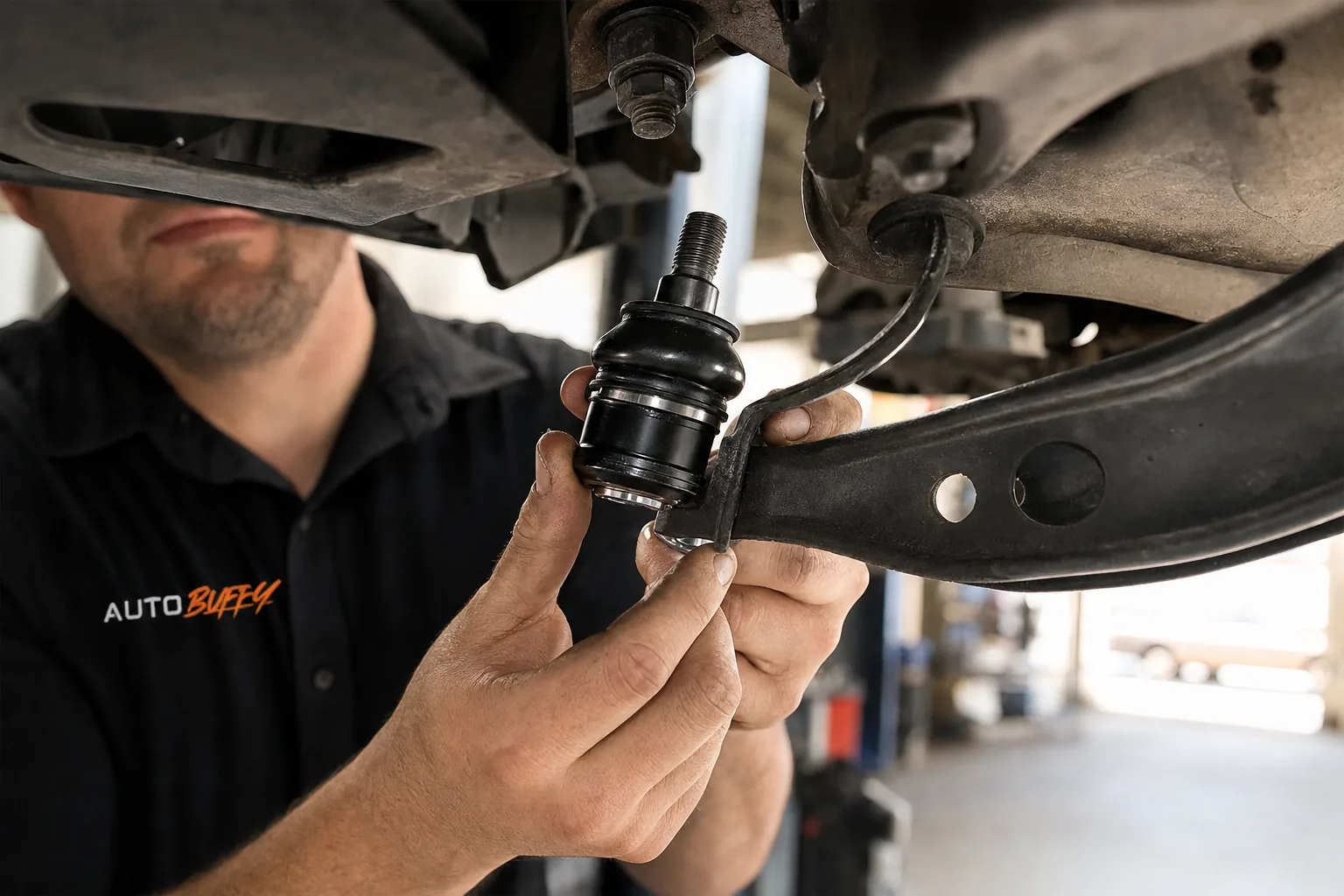
Can You DIY Sway Bar Bushing Replacement? On most vehicles, absolutely. Here's the general process:
- Safely lift and support the vehicle
- Locate the sway bar bushing brackets on the frame or subframe
- Remove the bracket bolts (usually two per side)
- Slide out the old bushing and clean the bar surface
- Install the new bushing (apply grease if poly), reinstall the bracket
- Torque to spec — don't skip this, overtightening can deform the bushing
Total time is typically 30–60 minutes per side. You'll need basic hand tools, a floor jack, and jack stands. A torque wrench is worth having to avoid crushing the new bushing. When to skip the DIY: Vehicles with complex active anti-roll bar systems (like Toyota KDSS, BMW ARS, or certain Land Rover and Mercedes setups) or those where the subframe needs to come down for access can push labor time — and cost — dramatically higher. RepairPal and other sources note these jobs can exceed $1,000. If your vehicle falls into that category, get a shop estimate first. ---
How to Save on Sway Bar Bushing Replacement
- Buy the kit yourself, pay only for labor. Many shops allow "customer-supplied parts." Since parts are $15–$65 and labor is $70–$100/hour, supplying your own can trim $100+ off the bill. - Bundle the job with sway bar end links. If the end links are showing wear too (check for loose ball joints or torn boots), doing both at the same time saves a second labor charge. - Check both axles at once. Front and rear sway bar bushings can both wear, and pulling the car up once to address everything is more efficient than two separate visits. ---
How Long Do Sway Bar Bushings Last? Under normal driving conditions, most rubber bushings last somewhere between 50,000 and 100,000 miles. Road salt, extreme heat, off-road use, and rough pavement all shorten that window. If you've never had them checked and you're past 80k miles with suspension noise, they're worth inspecting. The repair is straightforward, the parts are inexpensive, and fresh bushings make a real difference in how the car feels — both in everyday driving comfort and in how it handles when you actually need it to respond. {partfinder:sway bar bushing|Find the right part for your vehicle|Guaranteed fit, ships free}
FAQ / People Also Ask
RepairPal's June 2026 estimates put the total at $206–$289 at a shop, with AutoNation Mobile Service citing a similar range of $200–$280. Parts alone typically run $10–$30, and labor averages $70–$100 per hour.

Comments
Loading comments...
Comments are moderated by the AutoBuffy team.