

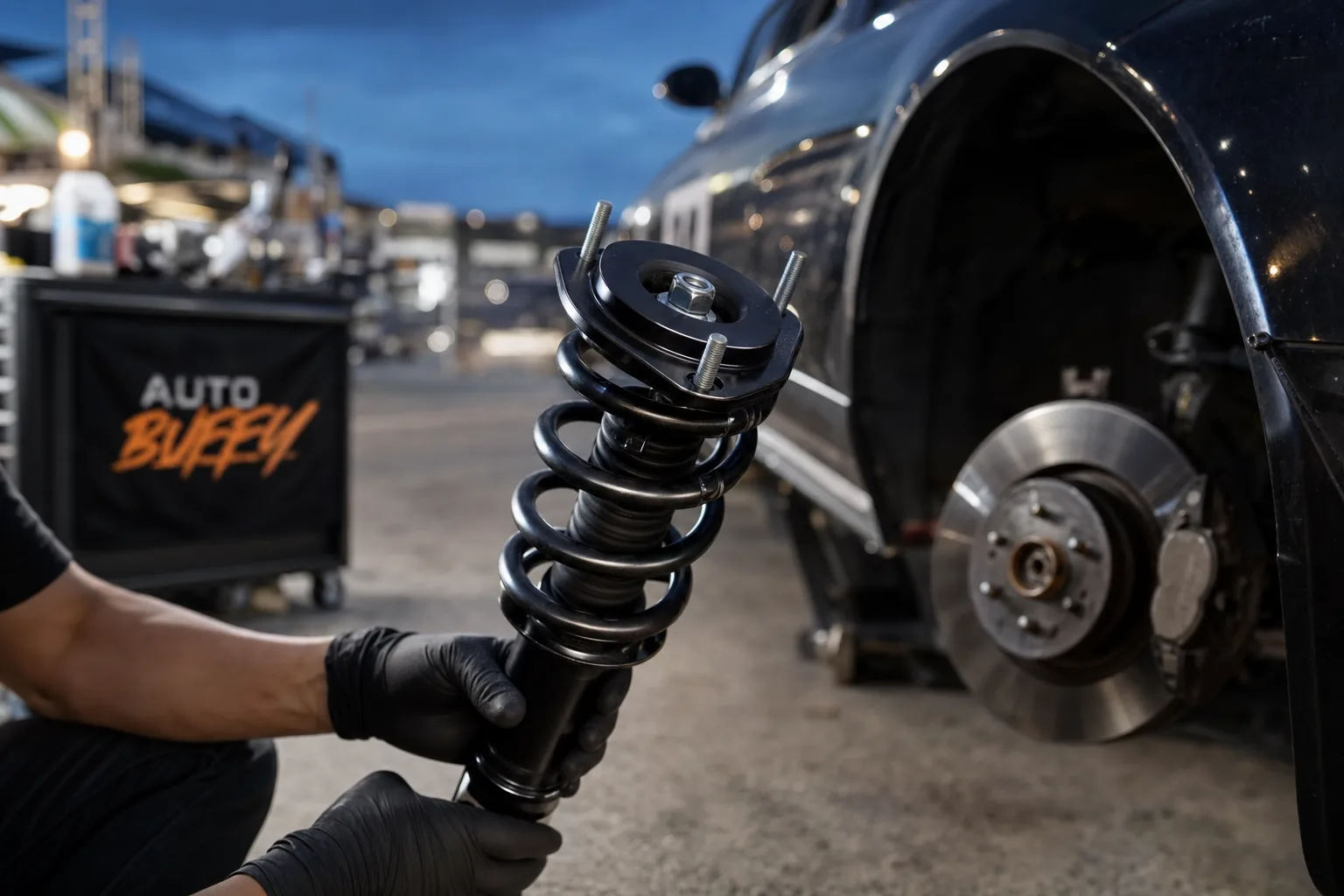
Toyota Sequoia Struts and Rear Shocks (2001–2022): Coil vs Air Rear Suspension Explained
Front struts, rear shocks, or rear air struts? Here's exactly what your Sequoia has, what it costs to replace, and which brands hold up.
The Short Answer
The Toyota Sequoia uses front struts on both generations (2001–2022), but the rear setup depends entirely on which generation and trim you have — 1st Gen (2001–2007) runs rear strut assemblies with coil springs, while most 2nd Gen (2008–2022) trucks use conventional rear shocks, with an optional rear air suspension on select higher trims.
| Generation | Front | Rear (Standard) | Rear (Optional) |
|---|---|---|---|
| 2001–2007 (1st Gen) | Strut assembly w/ coil spring | Strut assembly w/ coil spring | — |
| 2008–2022 (2nd Gen) | Strut w/ coil spring | Conventional shock absorber | Rear air suspension (air leveling trims) |
If you've got a 2nd Gen with the air suspension option and one of those rear struts fails, you're looking at a significantly different repair — in cost, parts sourcing, and labor — than a standard shock swap. It matters a lot which one you have before you start shopping. ---
How the 1st Gen Sequoia (2001–2007) Suspension Works
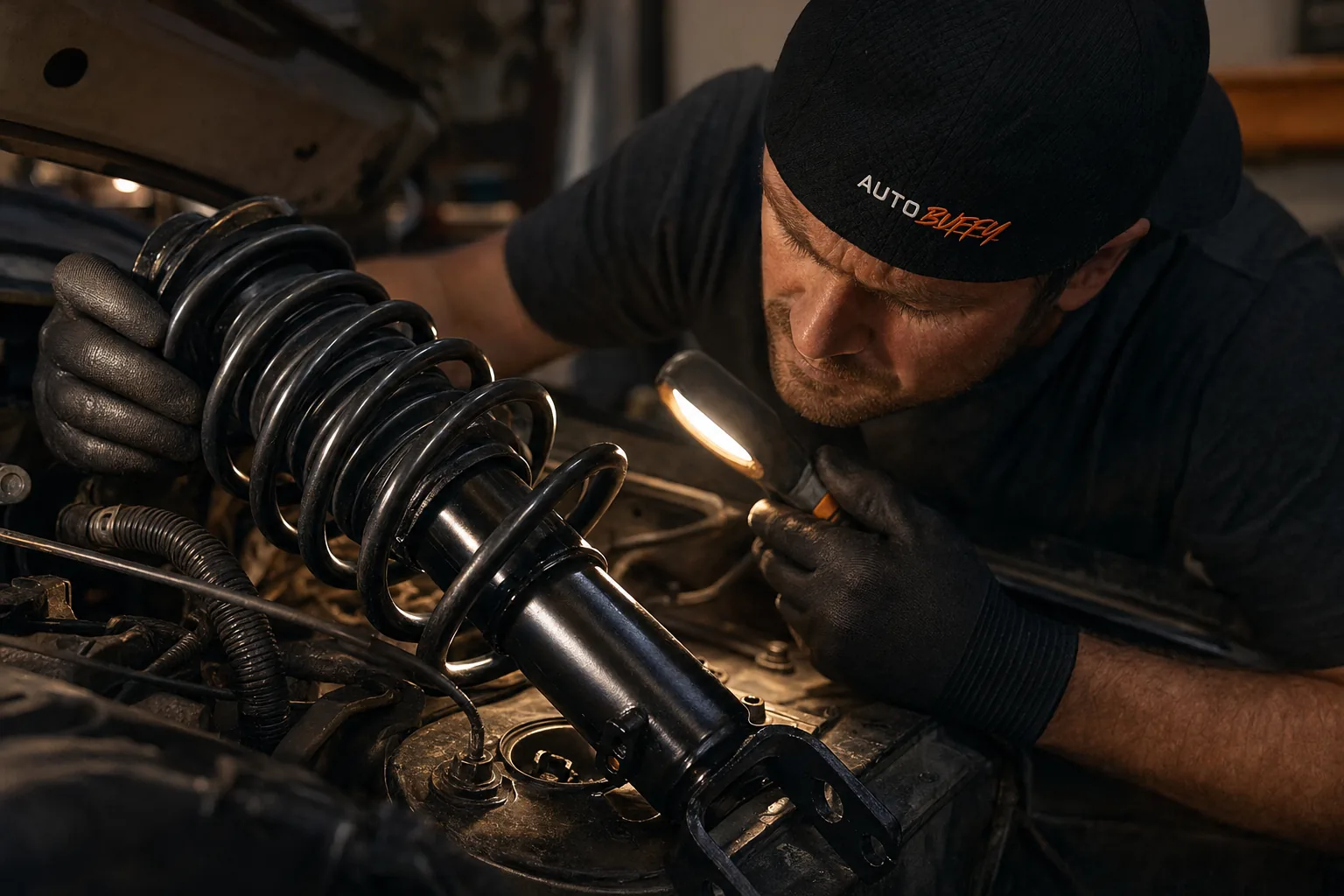
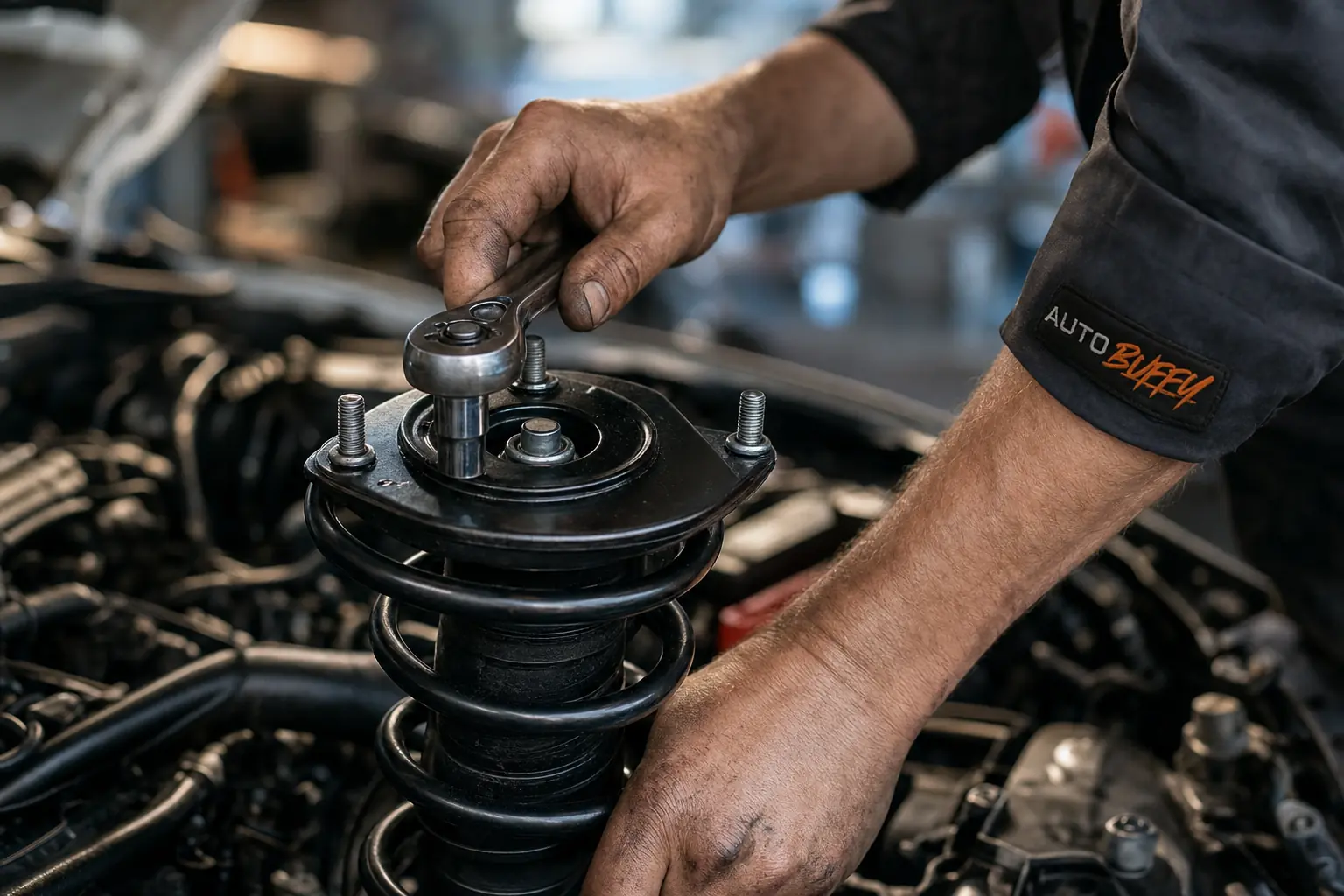
The original Sequoia was body-on-frame and rode on a traditional double-wishbone front with full strut assemblies at all four corners. The 4.7L V8 powertrain combined with that fully-coil suspension gave it a reasonably comfortable ride for an SUV that size, but these trucks are old now. Most have 150,000–250,000 miles on them. If you're still running one, the struts are almost certainly due. Worn strut mounts on these are notorious for producing a clunking sound over bumps that owners sometimes chase for months. The fix is usually a complete strut assembly swap — new damper, spring, and upper mount in one unit — which makes the job faster and eliminates guesswork about whether the spring is fatigued. KYB is the go-to for the 1st Gen at a reasonable price. KYB describes itself as the world's largest supplier of shocks and struts, and their Excel-G and Gas-a-Just lines have solid coverage of early Sequoia fitments. Monroe also covers these years well and is widely available. Neither brand is wrong — it comes down to budget and how long you plan to keep the truck. > Honest opinion: For a high-mileage 1st Gen Sequoia you're keeping another 50,000 miles, spend up for the loaded strut assembly. The spring on a 20-year-old truck is tired even if it hasn't broken yet, and replacing just the cartridge on a compromised spring isn't a smart long-term move. ---
The 2nd Gen Sequoia (2008–2022): Two Different Rear Setups
This is where most of the confusion lives, and it's a real problem if you order the wrong parts. ### Standard Rear: Conventional Shock Absorbers
On 2008–2022 Sequoias without the air leveling system, the rear uses conventional shock absorbers with separate coil springs — not rear struts. These are straightforward to replace. Aftermarket coverage is deep, pricing is reasonable ($80–$200 per shock depending on brand), and any competent shop can do the swap in an hour or two. Bilstein 4600 and 5100 series are popular here, especially for owners who tow or occasionally venture off pavement. The 5100 series allows modest lift and is valved more aggressively for loaded conditions. If you're a light-duty daily driver who just wants the bounce fixed, KYB or Monroe will handle the job fine and cost less. ### Optional Rear: Air Suspension (Air Leveling System)
Certain 2nd Gen Sequoia trims came with Toyota's rear air leveling system. These trucks have rear air strut assemblies — a combination of air bladder and damper — that automatically level the vehicle under load. When they work, they're genuinely useful for towing. When they fail, they're a headache. Air strut failure on these usually shows up as the rear sagging on one or both sides, the compressor running constantly, or a warning light on the dash. At that point, you've got two choices: replace the air struts or convert to a passive coil-over setup. If you're replacing like-for-like, two brands dominate the aftermarket for Sequoia rear air struts:
- ARNOTT — Their Sequoia rear air strut sets use Continental rubber air bladders, which is a meaningful spec (Continental supplies OEM air suspension programs globally). ARNOTT is one of the most experienced names in the aftermarket air suspension space, and their coverage of the 2nd Gen Sequoia is well-documented. - Dorman — Also offers rear air strut sets for applicable Sequoia trims. Dorman's air suspension line has grown considerably and provides a domestic-sourced alternative with solid availability. Expect to pay $1,900–$2,200 for a pair of aftermarket rear air struts from these brands. That's not cheap, but it's substantially less than Toyota dealer pricing. Use the part finder below to confirm fitment and see current pricing for your specific year and trim. If you're converting to coil springs, aftermarket conversion kits are a legitimate path. You lose the auto-leveling function, but you eliminate the compressor, air lines, and future bladder failures. For owners who don't tow regularly, the trade-off often makes sense. ---
Front Struts on the 2nd Gen: What You Need to Know
The 2008–2022 front suspension uses MacPherson struts with coil springs — a proven, serviceable setup. Front strut wear on these trucks tends to show up as:
- Nose-dive under braking
- Vague, floaty steering feel at highway speed
- Uneven front tire wear (often chalked up to alignment until the struts get checked)
- Clunking or knocking from the strut tower area
For most 2nd Gen owners, a quality front strut from KYB, Monroe, or Bilstein will get the truck feeling right again. If your truck has the optional front air suspension (less common — verify before ordering), that's a different repair entirely, and ARNOTT's front air strut sets are the right direction. ---
Coil vs Air Rear: Which Is Better Long-Term? There's no clean universal answer, but here's the honest breakdown:
| Factor | Coil/Conventional Shock | Rear Air Struts |
|---|---|---|
| Upfront replacement cost | Lower ($150–$400/pair) | Higher ($1,900–$2,200/pair) |
| Auto load-leveling | No | Yes |
| Long-term failure risk | Lower | Bladder wear, compressor issues |
| DIY-friendliness | High | Moderate (air line work) |
| Best for heavy towing | Adequate | Better |
If your Sequoia regularly pulls a boat or a trailer near max capacity, keeping the air system alive is worth the cost — it genuinely helps stability under load. If you're primarily hauling passengers and groceries, a conventional shock conversion is a perfectly reasonable, lower-cost path. ---
Do I Need an Alignment After Strut Replacement? Yes, every time. No exceptions. Replacing front struts disturbs your alignment settings, and driving on a misaligned front end will wear through a set of tires faster than you'd believe. Budget $80–$150 for a four-wheel alignment on top of the strut job — it's not optional if you want the repair to actually last. ---
Quick Reference: Replacement Cost Ranges
| Component | Typical Parts Cost | Typical Labor |
|---|---|---|
| Front strut assembly (per side, coil) | $150–$400 | $150–$300/axle |
| Rear shock (coil spring trucks) | $80–$200 each | $100–$200/axle |
| Rear air strut set (pair) | $1,900–$2,200 | $200–$400 |
| Front air strut set (pair) | $1,900–$2,150 | $200–$400 |
These are market ranges — not quotes. For your specific year, trim, and today's pricing, use the finder below.
Why buy from AutoBuffy
- Fitment check: add your vehicle and we confirm the part fits before you buy. If it doesn't fit because of our listing, you get a free return and a full refund, including original shipping.
- 24-month limited warranty on new parts bought on autobuffy.com.
- Real reviews: rated 4.9 by 19,069 verified customers.
- 30-day returns on unused parts in the original packaging.
- Free shipping on orders $50+. Orders placed before 12:00 PM ET (Mon-Fri) ship the same business day.
- Questions about an order? Call 888-477-2530 or email help@autobuffy.com.
Find the right strut or shock for your Toyota Sequoia
Guaranteed fit, ships free
FAQ / People Also Ask
Both generations use front struts with coil springs — not conventional shocks. The 2001–2007 (1st Gen) uses complete strut assemblies front and rear. The 2008–2022 (2nd Gen) keeps front struts but switches most trims to conventional rear shock absorbers.

Comments
Loading comments...
Comments are moderated by the AutoBuffy team.