

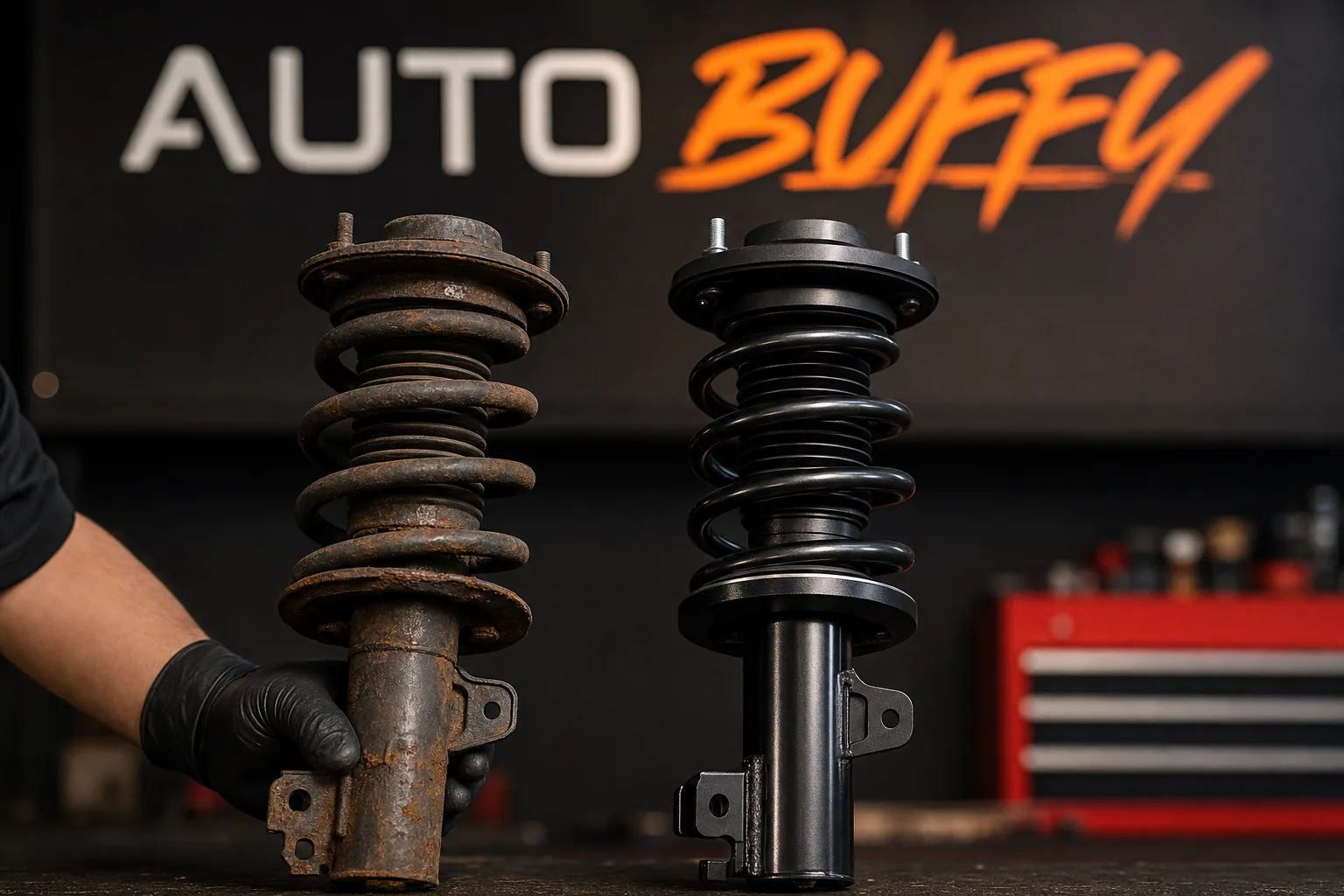
Best Shocks & Struts for Chevy Silverado 1500
Shopping for the best shocks for your Silverado 1500? Here's what actually works, what to budget, and how to avoid wasting money on the wrong parts.
The Short Answer
The best shocks for your Silverado 1500 depend on how you use the truck — daily commuter, weekend hauler, and off-road rigs each have a clear winner — but Bilstein's monotube units consistently deliver the best balance of ride quality and durability for most owners.
What You'll Spend: Typical Shock & Strut Costs
| Shock Type | Typical Part Cost (Each) | Best For |
|---|---|---|
| Budget twin-tube | $40 – $80 | Light daily driving, older high-mileage trucks |
| OEM replacement | $80 – $150 | Restoring factory ride feel |
| Performance monotube | $100 – $220 | Towing, hauling, spirited driving |
| Adjustable / remote reservoir | $200 – $500+ | Off-road, lifted applications |
| Air spring with shock module | $300 – $700+ | Load-leveling, luxury ride |
Use the part finder at the bottom of this page to get live pricing and confirm the right fit for your exact year and trim.
Does Your Silverado Use Shocks or Struts?
This trips up a lot of buyers. Most Silverado 1500 trucks — especially pre-2019 generations — use a front independent double-wishbone or torsion bar setup with separate shock absorbers, not strut assemblies. The rear almost always runs a solid axle with leaf springs and separate shocks.
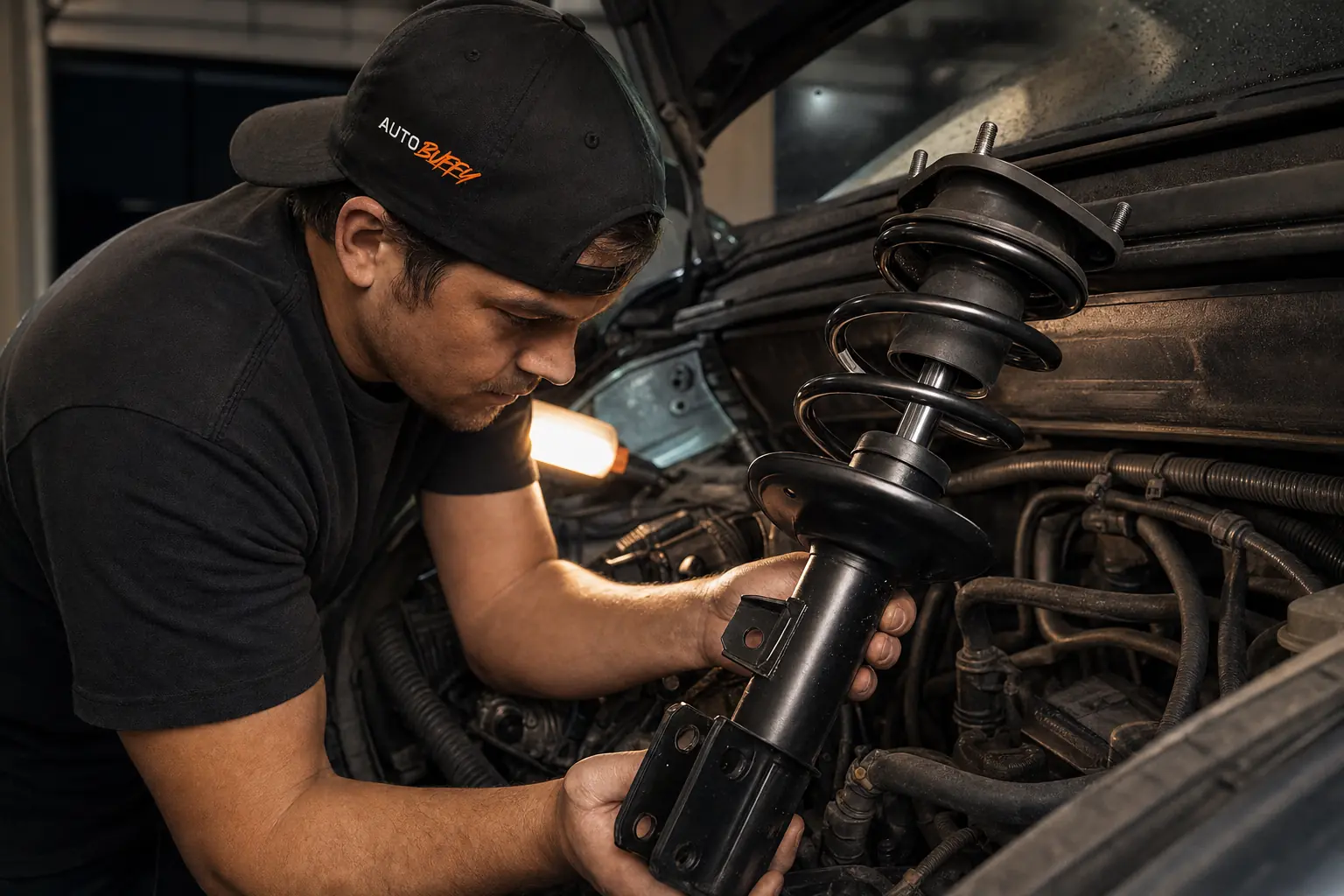
Newer Silverados (2019+) moved to a front coil spring independent suspension that's more strut-adjacent, so check your exact configuration before ordering. If you grab a strut assembly for a truck that takes a standalone shock, you'll be returning parts and losing time.
When in doubt, use the part finder — it'll match your year, model, and trim to the right component automatically.
The Case for Bilstein on a Silverado
I'll give you my honest opinion: if I were spending my own money on shocks for a Silverado that sees regular towing or occasional rough road use, I'd go Bilstein every time. Their monotube design is the main reason why.
A monotube shock has gas and oil in separate chambers, which means it handles heat way better than a conventional twin-tube under repeated compressions. When you're pulling a trailer on a long highway run or bouncing through a gravel road, that heat management matters. You get consistent damping instead of fade.
Bilstein makes several product lines suited to different use cases. Their heavy-duty monotube strut assemblies are engineered for trucks that work, and the valving is designed specifically for load-carrying vehicles — not just adapted from a passenger car platform.
That said, Bilstein isn't the only answer.
When OEM Is the Right Call
Not everyone needs a performance upgrade. If your Silverado is a daily driver with 80,000 miles and the shocks are just worn out, going back to an OEM-equivalent part makes total sense. You get the factory ride back without overpaying for features you won't use.
Motorcraft produces OEM-grade struts for Ford platforms, and brands like them set the standard for what factory-spec replacement looks like in the industry. For Silverado owners, seeking an OEM-equivalent part from a reputable supplier gives you predictable, comfortable ride restoration at a reasonable cost.
Air Spring Systems: Worth It?
Air spring modules — units that combine an air spring with a monotube shock absorber — are popular on luxury and heavy-duty towing applications. Bilstein makes several of these. They offer load-adaptive ride height and can compensate for the sag that hits when you're hauling a heavy payload.
For the average Silverado owner? Probably overkill and more complexity than you need. For someone towing 8,000+ pounds regularly or who wants a consistently level truck regardless of load, they're genuinely useful. Just know that air systems have more failure points than passive shocks and cost significantly more to service if something goes wrong.
Lifted Trucks: Don't Cheap Out Here
If your Silverado is sitting on a 4-inch or 6-inch lift, stock-length shocks are almost certainly not the right choice. You need units with enough extended length to work through the full range of suspension travel at the new ride height.
Running too-short shocks on a lifted truck causes them to bottom out on compression and top out on droop. That hammers the shock internals and puts stress on other suspension components. It's a false economy that ends up costing more in the long run.
For lifted applications, look for shocks with extended travel specs that match your lift height, and consider an adjustable or remote-reservoir unit if you're running the truck hard off-road.
Towing and Payload: Heavy-Duty Valving Matters
One thing that separates a quality truck shock from a generic replacement is valving calibration. A shock valved for a 4,000-pound passenger car won't behave the same on a 6,000-pound truck that occasionally carries a ton of gravel in the bed.
Bilstein's truck-specific applications are valved for heavier vehicle weights, which means they actually firm up appropriately under load rather than collapsing and bouncing. If towing stability is a priority — and it should be — this is the detail worth paying attention to.
In my experience, trucks with fresh heavy-duty shocks are dramatically more stable under trailer load than trucks running worn or underspec'd units. The difference is noticeable within the first mile of driving.
Front vs. Rear: Do Both at Once?
Short answer: yes, replace in axle pairs at minimum. If your fronts are at 90,000 miles, the rears likely are too. Doing all four at once saves labor time and ensures balanced handling.
Some owners prioritize rears first if that's where the sag or bounce is most noticeable — that's fine, but plan to do the fronts within a reasonable timeframe. Mismatched damping front-to-rear creates handling quirks that are hard to diagnose later.
Our Honest Verdict
For most Silverado 1500 owners who want a genuine upgrade over worn-out factory units, Bilstein's monotube shocks offer the best real-world performance improvement. If you're restoring a daily driver to factory spec on a tighter budget, an OEM-quality replacement is smart and sensible — don't pay for performance you won't use.
The worst move is buying the cheapest possible replacement just to have the job done, then wondering why the truck still feels loose six months later.
Find the right part for your vehicle
Guaranteed fit, ships free
FAQ / People Also Ask
It depends on the generation. Most Silverado 1500 trucks use a front torsion bar or coil spring setup with separate shock absorbers, not strut assemblies. However, some newer models and certain configurations do use strut-style front suspension. Always confirm your specific year and trim before ordering.

Comments
Loading comments...
Comments are moderated by the AutoBuffy team.