

Nissan Altima Motor Mount: Symptoms, Replacement Cost & the Right Westar Fit
Clunking, vibration, or engine movement in your Nissan Altima? Learn the symptoms, what replacement costs, and which Westar mount fits.
The Short Answer
A worn Nissan Altima motor mount most often announces itself with a clunking noise during gear shifts, cabin vibration at idle, and visible engine rocking — and replacement typically costs $200–$800 total depending on how many mounts need attention and who's doing the work.
| Factor | Typical Range |
|---|---|
| Single mount (part only) | $30 – $120 |
| Labor per mount (independent shop) | $80 – $200 |
| Full mount set replacement (parts + labor) | $400 – $800 |
| Mileage life expectancy | 80,000 – 150,000 mi |
| Number of mounts on most Altimas | 3 – 4 |
What Does a Motor Mount Actually Do?
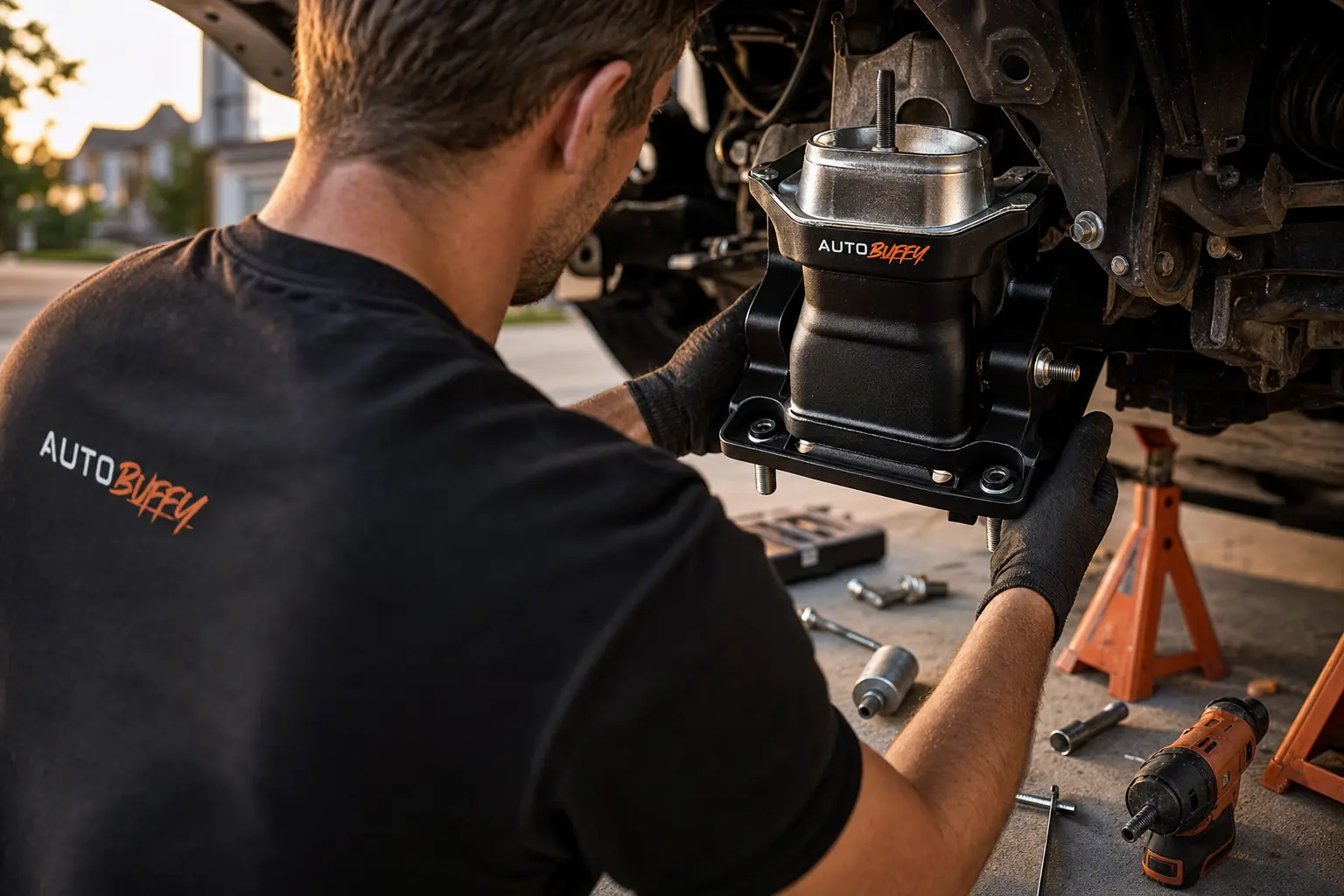
Simple idea, critical job. Motor mounts bolt the engine (and usually the transmission) to the vehicle's subframe, keeping everything planted while absorbing the vibration and torque the engine generates every time it runs. Without them, you'd feel every combustion event through the steering wheel and seat.
Most Altima mounts use a steel bracket bonded to a rubber insert. Hydraulic mounts — fluid-filled versions — appear on certain Altima trims and do a better job of dampening low-frequency vibration, but they also tend to wear out faster, especially under heat stress and stop-and-go driving conditions.
Nissan Altima Motor Mount Symptoms You Shouldn't Ignore
1. Clunking or Thudding When Shifting Gears
This is the classic tell. When you shift from Park to Drive (or reverse), there's a brief torque spike. A healthy mount absorbs it quietly. A worn one lets the engine rock hard enough to bang against its travel limits — and you'll hear (and feel) it.
2. Excessive Vibration at Idle
If the steering wheel, floor, or seat vibrates at idle but the feeling mellows out once you're moving, suspect the motor mounts before you start chasing ignition parts. At idle the engine rocks at its natural frequency; a collapsed mount can't dampen that movement.
3. Visible Engine Movement
Have someone rev the engine to around 2,000 RPM while you watch the engine bay (keep hands and clothing clear of moving parts). More than an inch of visible engine rock is a red flag. Some mechanics do this test with the car in gear, foot firmly on the brake — the torque load exaggerates any weakness in the mounts immediately.
4. Rough Acceleration Feel
Under hard acceleration the engine torques hard against its mounts. A worn mount lets the engine twist more than it should, and you feel that as a lurching or hesitation that doesn't match the throttle input. People sometimes chase transmission problems when a motor mount is the actual culprit.
5. Knocking or Engine Noise Under Hood
A really far-gone mount can allow the engine to contact surrounding components — hoses, wiring harnesses, the firewall. The resulting knock or rattle is often misdiagnosed as internal engine noise. Always check mount condition before going deeper.
How Long Do Altima Motor Mounts Last?
Under normal conditions, expect 80,000–150,000 miles from a rubber mount. Hydraulic mounts on certain trims can fail earlier — sometimes before 100,000 miles — particularly if the vehicle sees a lot of city driving or if there's an oil leak soaking the rubber (oil destroys rubber mounts faster than anything).
Heat is the other killer. Altima 2.5L four-cylinders run in tight engine bays. Mounts near exhaust components age faster. If you're past 100,000 miles and haven't touched the mounts, have them inspected at your next oil change.
Should You Replace One Mount or All of Them?
Honest answer: it depends on why the mount failed. Age and mileage? Replace the set. They all went through the same stress cycles and the survivors won't last long carrying extra load from one missing partner. That said, replacing all three or four mounts at once while the mechanic is already supporting the engine is almost always cheaper per mount than doing separate visits.
If one mount failed because an oil leak soaked it or a previous owner hit a curb, replacing just the bad one — and fixing the underlying cause — is reasonable.
Why Westar for Your Nissan Altima Motor Mount?
Westar specializes specifically in engine and transmission mounts. That focus matters. A generalist auto parts brand that makes everything from brake pads to cabin filters tends to source mounts with less attention to OE-spec durometer (rubber stiffness) and bracket tolerances. Westar's catalog is built around mounts, full stop — which means the rubber compounds and geometry are matched to the vehicle's specific load characteristics, not just "close enough."
For Altima owners, that translates to a mount that fits correctly the first time and holds up without the excessive stiffness that some aftermarket mounts have (stiff mounts kill vibration isolation and put stress back into the chassis). In my experience, mounts from specialists almost always outlast generic alternatives — and for a part you'd rather not revisit, that's worth prioritizing.
Use the part finder below to pull up the exact Westar mount for your Altima's year, engine, and position. Fitment on mounts is year- and engine-specific, so don't guess.
Can You DIY a Nissan Altima Motor Mount?
Some positions, yes. The upper/front mount on many Altima generations is reachable with basic hand tools and about two hours of work. You'll need to support the engine from below with a floor jack and a block of wood to take the weight off as you unbolt the old mount — not complicated, but it does require comfort working safely under a supported vehicle.
The rear and side mounts can be tighter depending on the generation. If you haven't done engine work before, a professional shop visit is the safer choice. Labor rates at an independent shop are reasonable for this job, and a tech can assess all the other mounts while they're in there.
What If I Ignore It?
A bad motor mount won't strand you immediately. But it will accelerate wear on the CV axles (excess engine movement tugs on them constantly), stress coolant hoses and vacuum lines, and eventually allow metal-to-metal contact inside the engine bay. The longer you wait, the higher the total repair bill. This isn't a "monitor it" situation — it's a "schedule it" situation.
Find the right motor mount for your Nissan Altima
Guaranteed fit, ships free
FAQ / People Also Ask
The most common signs are a clunking or thudding noise when shifting gears, excessive engine vibration felt through the cabin, and visible engine movement when you rev in park. A mechanic can confirm by pushing on the engine with the vehicle in gear (foot on the brake) and watching for excessive rocking.

Comments
Loading comments...
Comments are moderated by the AutoBuffy team.