

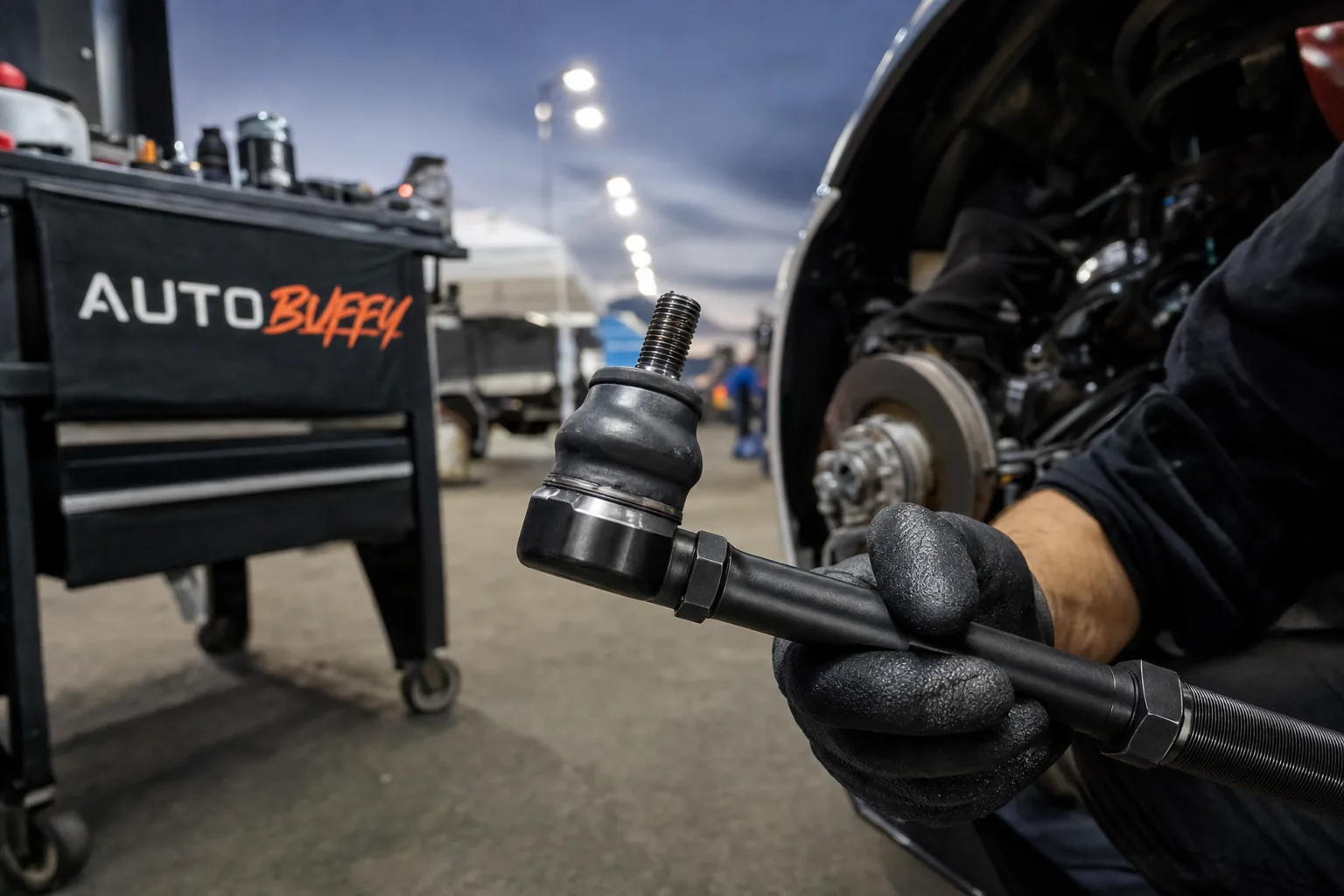
Torn Tie Rod Boot: Replace the Boot or the Whole Tie Rod?
A torn tie rod boot doesn't always mean you need a new tie rod — but timing matters. Here's how to decide before you spend more than you need to.
The Short Answer
If you catch a torn tie rod boot immediately — within days — and the joint still has zero play, replacing just the boot can save the joint; if there's any detectable looseness or the boot has been gone for weeks, replace the entire tie rod end.
| Scenario | Recommended Fix | Typical Cost Range |
|---|---|---|
| Fresh tear, joint tight, no contamination | Replace boot only | $6–$10 part + ~1 hr labor |
| Tear found late, joint feels loose | Replace full tie rod end | $150–$400 (indie shop) |
| Dealership tie rod end replacement | Replace full tie rod end | $300–$650 |
| Alignment (always required after tie rod work) | 4-wheel alignment | $80–$175 additional |
| Bellows/inner rack boot torn | Replace rack boot or inner tie rod | Varies by vehicle |
What a Tie Rod Boot Actually Does
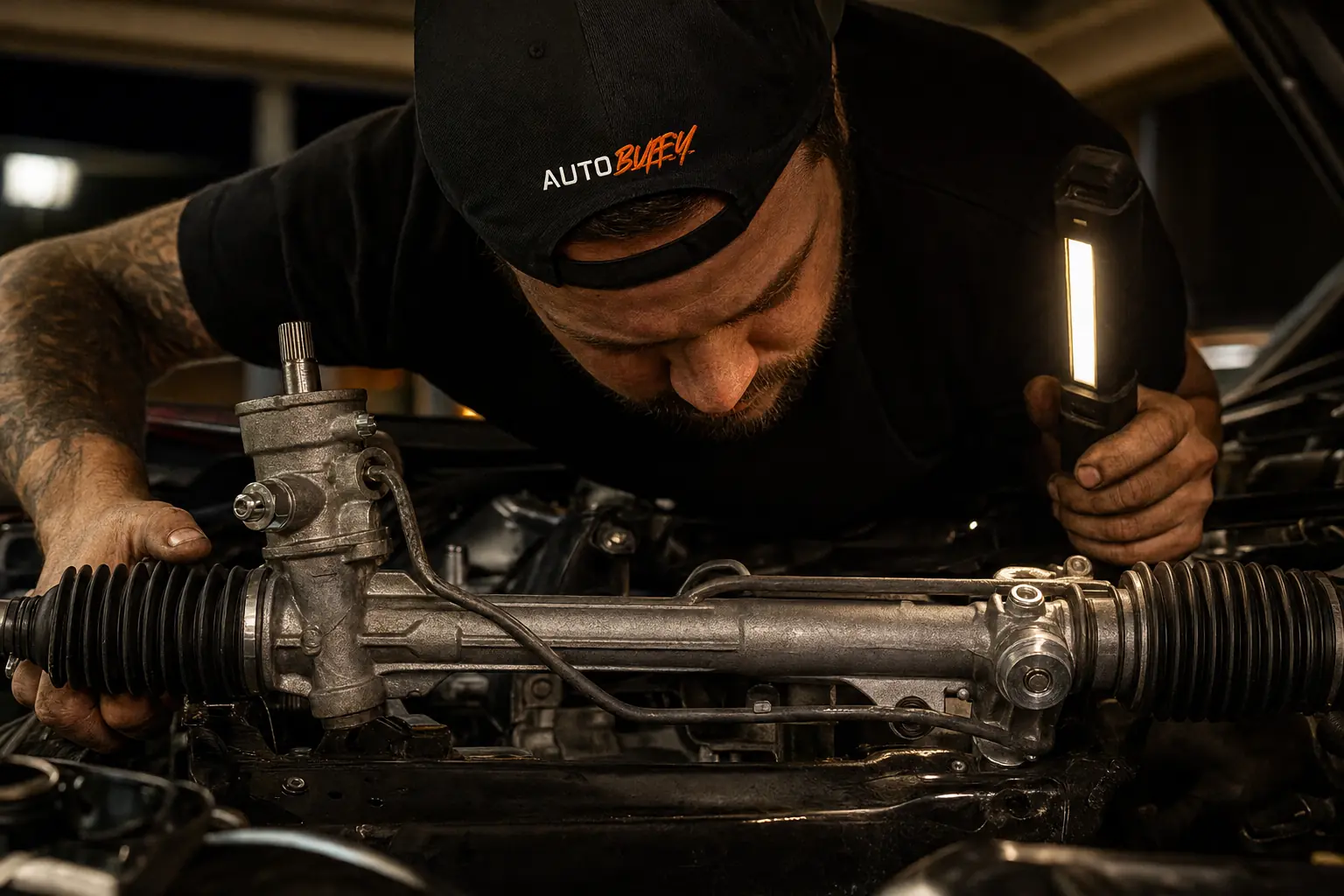
Think of the tie rod boot as a tiny, accordion-shaped bodyguard for one of the most critical joints in your steering system. The ball-and-socket joint inside a tie rod end needs two things to survive: grease in, and grime out. The boot handles both. When the boot tears, that sealed environment is gone. Road water, salt, and grit rush in. Grease flings out. The joint then runs dry under load — every pothole, every turn, every inch of highway. That wear process isn't slow. On a rust-belt road in winter, a joint can go from "slightly contaminated" to "dangerously loose" in a single season. There's also a second boot many drivers don't think about: the bellows-style boot at the end of the inner tie rod assembly, right where it meets the steering rack. That one's bigger and more expensive to replace, but the same logic applies — a tear there exposes the inner tie rod threads and rack seal to everything the road throws at it. ---
How to Tell If the Boot Is Still Worth Saving
Grab a flashlight and a pair of latex gloves. Here's the honest decision tree:
Step 1: Look at the Boot
- Small crack or pinhole, boot still mostly intact? You may have caught it early. - Boot completely split, missing, or hanging off? The joint has likely been exposed for a while. - Grease flung across the wheel well or control arm? That grease had to come from somewhere — the boot has been gone long enough to matter. ### Step 2: Check the Joint
With the vehicle safely on jack stands, grab the tire at the 9 o'clock and 3 o'clock positions and try to wiggle it. Then try 12 and 6. Any perceptible play in the steering linkage — not just tire flex — points to a worn joint. At that point, a new boot won't help. You're putting a fresh shell on a joint that's already compromised. ### Step 3: Decide Fast
Time is the variable most people underestimate. Rubber tie rod boots typically last 3–5 years under normal conditions. But once they're gone, the joint's clock starts ticking fast — not in years, but potentially in weeks. If you spotted the tear at a tire rotation today, don't schedule a "fix it next month" appointment. Get it looked at this week. ---
The Case for Replacing Just the Boot
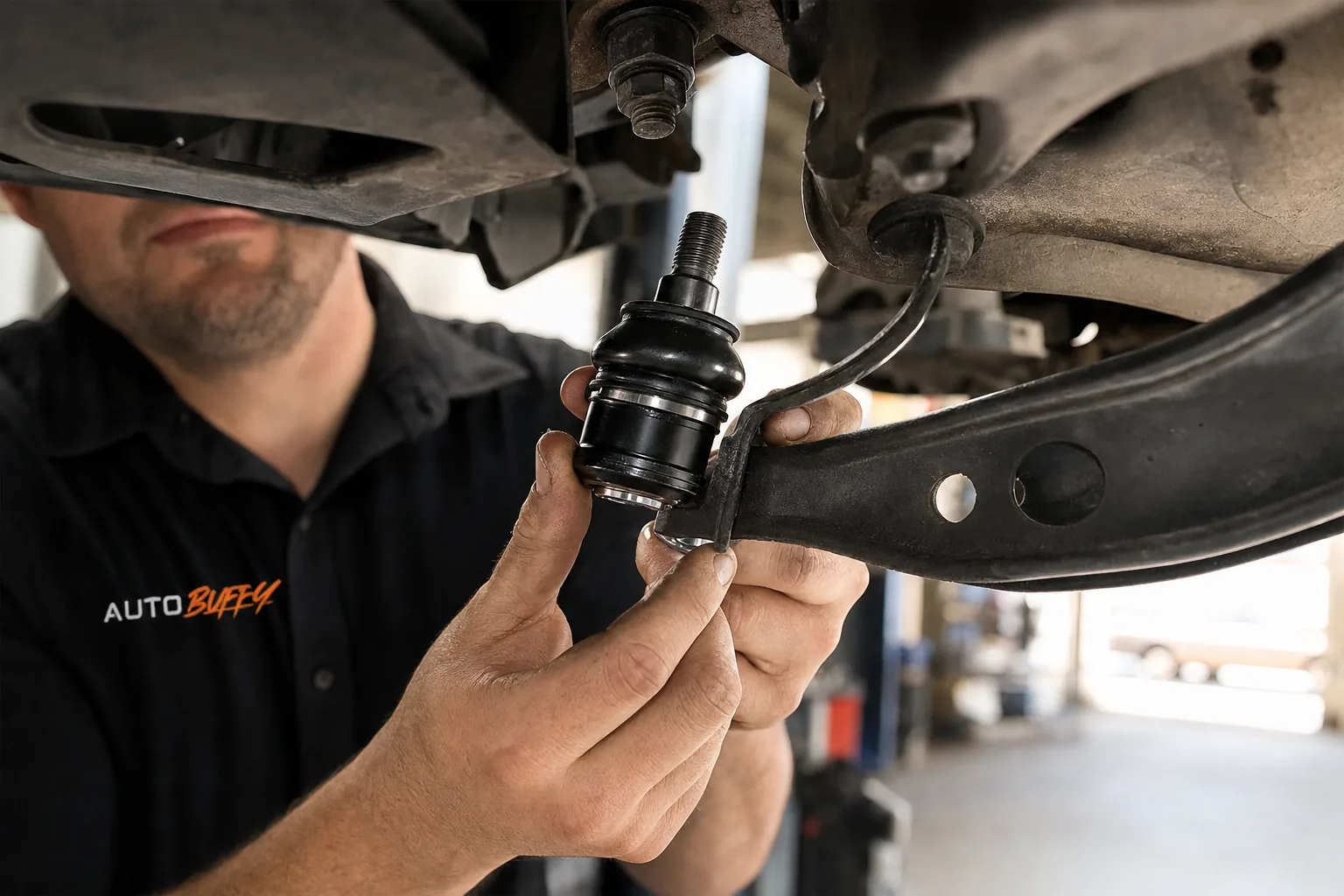
If — and this is a real "if" — the joint passes the wiggle test and there's no visible metal scoring or dry grinding sound when you turn lock-to-lock, a boot replacement is legitimate. Tie rod end boots average around $6–$10 at retail. That's not a rounding error; it's genuinely cheap insurance. The process involves removing the old boot, cleaning any contaminated grease off the joint (this is where a shop will tell you whether the joint is actually saveable), packing the joint with fresh grease, and pressing the new boot into place. No alignment required for a boot-only swap. My honest opinion: a boot-only repair is the right call maybe 20–30% of the time a torn boot is found. Most of the time, the tear has been there long enough that the joint isn't clean anymore. That's not pessimism — it's just that most drivers don't inspect their tie rod boots regularly, so the tear is usually not "fresh."
The Case for Replacing the Full Tie Rod End
Once contamination has entered, replacing the boot only delays the inevitable and potentially masks a safety issue. A loose tie rod end can cause:
- Wandering or vague steering feel
- Uneven, feathered tire wear on the inner or outer edge
- Clunking or knocking sounds over bumps
- In severe cases, sudden loss of directional control
None of those are acceptable risks. A full outer tie rod end replacement at an independent shop runs $150–$400 depending on your vehicle and your area. Dealerships typically charge $300–$650 for the same job. Yes, that's a meaningful difference — another reason to have a trusted independent shop on speed dial. ### Don't Skip the Alignment
This one's non-negotiable. After any tie rod end replacement, a four-wheel alignment is mandatory. Toe angle — the angle at which your tires point relative to each other — is set through the tie rod adjustment. Even if a technician gets the adjustment "close," close isn't correct. Misaligned toe chews through tires fast and can make the car pull to one side under braking. The alignment has to be done on a rack. You cannot do it in a driveway, full stop. ---
What to Buy: Tie Rod Ends and Complete Kits
For a single tie rod end, fit and quality are the two things that matter most. MOOG — owned by Tenneco, which also owns Monroe, Wagner, and Fel-Pro — is one of the most widely stocked aftermarket brands for tie rod ends, with broad application coverage across domestic and import vehicles. Their problem-solver designs often include improved grease fittings for long-term serviceability. Detroit Axle offers another solid option, particularly in complete kit form for trucks and SUVs. Their rack-and-pinion plus outer tie rod packages are worth considering if you're doing a more thorough front-end refresh and want to knock it all out at once. If your vehicle is due for more than just a tie rod end — if the control arm bushings are cracking or the ball joints are showing play — complete front suspension kits that bundle control arms with tie rod ends can make the job significantly more cost-effective than buying components piecemeal. Use the part finder below to confirm fitment for your exact year, make, and model, and to see current pricing. Don't guess on steering components. ---
Quick Maintenance Tips to Make Boots Last
- Inspect at every oil change. It takes 30 seconds with a flashlight. 2. Avoid pressure washing directly at the boots. High-pressure water can force past the boot lip and contaminate the joint. 3. On vehicles with grease fittings, grease the tie rod ends at the service interval specified in your owner's manual — typically every 15,000–30,000 miles where applicable. 4. Replace aging boots proactively if they're cracking but not yet torn, especially heading into a harsh winter. At $6–$10 each, it's cheap peace of mind.
Why buy from AutoBuffy
- Fitment check: add your vehicle and we confirm the part fits before you buy. If it doesn't fit because of our listing, you get a free return and a full refund, including original shipping.
- 24-month limited warranty on new parts bought on autobuffy.com.
- Real reviews: rated 4.9 by 19,069 verified customers.
- 30-day returns on unused parts in the original packaging.
- Free shipping on orders $50+. Orders placed before 12:00 PM ET (Mon-Fri) ship the same business day.
- Questions about an order? Call 888-477-2530 or email help@autobuffy.com.
Find the right tie rod for your vehicle
Guaranteed fit, ships free
FAQ / People Also Ask
The tie rod boot seals the ball-and-socket joint inside the tie rod end. It keeps lubricating grease in and keeps road grit, water, and debris out. Without it, the joint wears rapidly and can eventually fail, causing steering loss.

Comments
Loading comments...
Comments are moderated by the AutoBuffy team.