


Timing Chain Replacement Cost: Symptoms, Timing Chain vs Belt & What You'll Pay
Timing chain replacement typically runs $1,980–$2,680 all-in. Learn the symptoms, what drives the cost, and how to avoid a second bill.
The Short Answer
Timing chain replacement typically costs between $1,980 and $2,680 all-in, with labor alone accounting for 60–70% of the total bill.
| Cost Component | Typical Range |
|---|---|
| Parts (chain kit) | $786–$807 |
| Labor | $1,334–$1,957 |
| Total (combined estimate) | $1,980–$2,680 |
| Tensioner replacement (add-on) | $1,398–$1,866 |
| Independent shop labor rate | $40–$70/hr |
| Dealership/urban shop labor rate | $100–$150+/hr |
*Source: RepairPal, AutoNation Mobile Service*
That's a wide range, and it genuinely matters which end of it you land on. Let's break down why — and how to avoid turning one big bill into two.
What Is a Timing Chain and What Does It Do?
The timing chain is what keeps your engine's crankshaft and camshaft(s) synchronized. That synchronization controls when the intake and exhaust valves open and close relative to the pistons. Get it wrong by even a few degrees and the engine runs rough. Get it really wrong — like when a chain skips a tooth or snaps — and valves meet pistons. That's a catastrophic, often engine-killing event.
Unlike a timing belt, a timing chain is metal, runs inside the engine submerged in oil, and is designed to last the life of the engine. Most chains go 150,000 to 200,000 miles or more with regular oil changes. The oil is the key — a chain running in clean, properly viscous oil wears very slowly. One running in sludgy, neglected oil can stretch and fail in well under 100,000 miles.
Timing Chain vs Timing Belt: Key Differences
People mix these up constantly, and it matters because the maintenance strategy is completely different.
| Feature | Timing Chain | Timing Belt |
|---|---|---|
| Material | Metal roller chain | Reinforced rubber |
| Location | Inside engine, in oil bath | External, dry |
| Typical lifespan | 150,000–200,000+ miles | 60,000–100,000 miles |
| Scheduled replacement | Not usually required | Yes — manufacturer interval |
| Replacement cost | Higher (labor-intensive) | Lower to moderate |
| Failure warning | Often rattles first | May snap with no warning |
If your maintenance schedule has no mention of a timing belt interval, you almost certainly have a chain. Chains don't get proactive replacements on a schedule — you replace them when symptoms show up or when a mechanic flags wear during another job.
Symptoms of a Failing Timing Chain
Don't wait until the engine won't start. These are the warning signs that show up earlier:
Rattling on Cold Start
This is the most recognizable symptom. A stretched chain and worn tensioner will rattle from the front of the engine for a few seconds after a cold start, then quiet down as oil pressure builds. Some people hear it for months and dismiss it. Don't. That rattle means the chain is already loose.
Check Engine Light with Timing Codes
Cam and crank position sensor codes — P0016, P0017, and similar — often appear when chain stretch throws off the timing relationship the ECU expects. A code reader will flag these.
Rough Idle and Misfires
A chain that's jumped or stretched enough to shift valve timing will cause the engine to idle unevenly and misfire under load. You might feel it as a hesitation or stumble during acceleration.
Engine Won't Start
If the chain has snapped or jumped multiple teeth, the engine simply won't run. At this point you're hoping it's an interference engine that got lucky — but many aren't.
Why Timing Chain Replacement Costs So Much
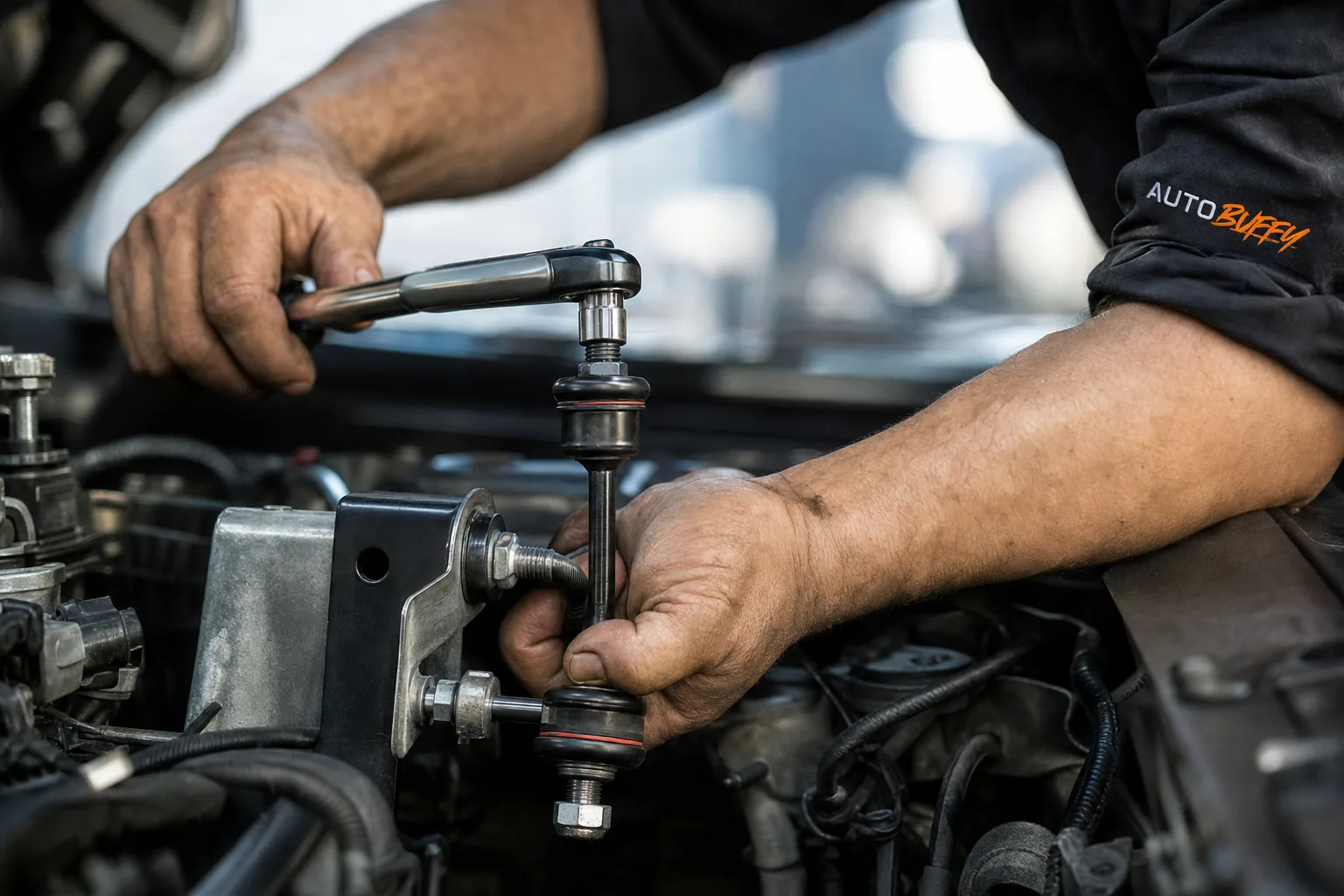
The parts aren't cheap, but the labor is what drives the bill into four-figure territory. Labor typically consumes 60–70% of the total cost, and here's why: the timing chain lives behind the timing cover at the front of the engine. To get to it, a shop has to remove the engine accessories (belts, pulleys, sometimes the radiator), drain the coolant, and pull the front cover off the engine block. On many V6 and V8 engines — or transverse-mounted engines in tight engine bays — that's 8 to 12 hours of skilled work.
Regional rates vary a lot. An independent shop in a rural area might charge $40–$70 per hour. A dealership or a shop in a major metro can easily run $100–$150 per hour or more. On a 10-hour job, that's the difference between a $1,800 and a $2,800 labor bill before you've bought a single part.
My honest take: I'd rather pay dealership rates for this job on a vehicle-specific specialist than save $400 at a shop that hasn't done this engine before. Timing chain replacement on some engines — certain GM V8s, the Audi/VW 2.0T, Ford's 3.5 EcoBoost — has enough gotchas that experience with the platform actually matters. That's an opinion, but a 12-year mechanic friend of mine put it plainly: "I've seen the cheap-shop version of this job come back in six months."
What Should Be Replaced at the Same Time
Since the timing cover has to come off anyway, this job creates a rare opportunity to address adjacent wear items without significant added labor cost. Reputable shops will recommend — and you should seriously consider — replacing the following:
- Timing chain tensioner and guides — tensioner replacement adds $1,398–$1,866 on its own; doing it simultaneously saves that labor cost entirely
- Water pump — typically driven off the same area; a failed water pump later means pulling the cover again
- Front crankshaft seal — cheap part, miserable to access otherwise
- Camshaft seals — same reasoning
- Engine oil and filter — mandatory after this job; do it fresh
Skipping these to save a few hundred dollars now is a common mistake that leads to a repeat teardown.
How to Get a Fair Price
A few practical moves:
- Get three quotes — dealer, a reputable independent, and any specialist in your make. The spread can be significant.
- Ask what's included in the kit — a quote that covers only the chain and not the tensioner, guides, and sprockets isn't the same job.
- Ask about the warranty — most reputable shops offer at least a 12-month/12,000-mile parts-and-labor warranty. A shop that won't commit to that on a job this size is worth avoiding.
- Time it right — if you're getting any other major engine work done (head gasket, water pump), ask about doing the timing chain simultaneously to share the teardown labor cost.
Choosing the Right Timing Chain Kit
Buying a complete kit — chain, tensioner(s), guides, and sprockets — is the right move. Sourcing parts individually risks mismatched wear specifications, and if you buy a chain from one supplier and guides from another, you can end up with a combination that doesn't wear evenly.
Because a timing chain job is labor-heavy, use OE-spec components the first time — a complete kit (chain, guides, tensioner, and sprockets) rather than the chain alone, matched to your exact engine. Use the part finder below to confirm the right kit before booking the work.
Find the right part for your vehicle
Guaranteed fit, ships free
FAQ / People Also Ask
Most drivers pay between $1,980 and $2,680 for a full timing chain replacement, with labor typically accounting for 60–70% of that total. RepairPal puts parts alone at roughly $786–$807, with labor ranging from $1,334 to $1,957 depending on the vehicle and shop.


Comments
Loading comments...
Comments are moderated by the AutoBuffy team.