

Toyota Highlander Struts (2001–2019): What They Cost, When to Replace, and Which Brand to Buy
Everything Highlander owners need to know about strut replacement — symptoms, costs, best brands, and DIY vs. shop advice for 2001–2019 models.
The Short Answer
Toyota Highlander struts typically need replacement between 60,000 and 100,000 miles, cost $80–$400 per unit depending on the style, and KYB, Monroe, and Bilstein are the three brands most worth your money — each for different reasons.
| Factor | Details |
|---|---|
| Affected Models | 2001–2007, 2008–2013, 2014–2019 Toyota Highlander |
| Typical Part Cost (bare strut) | $80–$200 per strut |
| Typical Part Cost (loaded assembly) | $150–$400 per corner |
| Labor Cost (per axle, shop) | $150–$350 |
| Full 4-Corner Replacement (parts + labor) | $600–$1,500 |
| Alignment (required after front struts) | $80–$150 |
| Expected Lifespan | 60,000–100,000 miles |
| Top Brands | KYB, Monroe Quick-Strut, Bilstein B4 |
Why the Highlander Is Tough on Struts
The Highlander is a mid-size SUV built to carry families, tow trailers, and handle a decade-plus of real-world use. That's exactly the kind of mission that wears struts faster than a sedan. The fully independent suspension on all three generations (2001–2019) gives a car-like ride, but it puts the front struts under continuous load — especially when the third row is full or you're towing near the vehicle's limit. There's no design flaw here. The Highlander just works hard. On a highway commuter, you might see 100,000 miles from a set of struts. On a family hauler that's constantly loaded and doing school-run bumps, 60,000 miles is realistic. ---
Symptoms: How to Know Your Highlander Struts Are Done
You don't need a lift to spot most of these. Walk around the vehicle and pay attention on your next drive. Ride quality changes:
- Bouncing that continues well after a bump (the classic "one-bounce test" — push down on a corner and let go; it should stop immediately)
- A harsh, jarring feel over small imperfections that used to be unnoticeable
- Body rolling noticeably in corners
Handling changes:
- Nose-diving when you brake
- Wandering on the highway — you're constantly making small corrections
- Steering that feels disconnected or vague
Physical signs:
- Oil weeping or leaking down the strut body (not a small amount of surface moisture — actual wet streaks)
- Uneven tire wear, especially cupping or scalloping on the tread
- Clunking or thudding sounds over bumps (often the upper mount wearing out)
If you're seeing two or more of these, don't wait. Worn struts extend stopping distances and that's a safety issue, not a comfort one. ---
Generation-by-Generation Breakdown
2001–2007 Highlander (XU20)
The first-gen Highlander rides on a strut-based front suspension and a multi-link rear. Most of these vehicles are now past 150,000 miles, so strut replacement — if not already done once — is almost certain to be needed. At this age, a loaded strut assembly (strut + spring + mount) is often the smarter buy because the factory springs and upper mounts are equally tired. Replacing bare struts into worn springs defeats a big part of the purpose. ### 2008–2013 Highlander (XU40)
The second generation grew slightly and added available V6 and four-cylinder powertrains. The strut geometry is similar, though spring rates differ between trim levels and the hybrid variant. If your 2008–2013 has 80,000–120,000 miles on the original struts, it's worth a careful look. These vehicles are in the sweet spot where many owners are doing their second set. ### 2014–2019 Highlander (XU50)
The third-gen is the largest and heaviest of the three. Bilstein specifically engineers its B4 OE Replacement struts for this generation — both FWD and AWD configurations — which is worth noting if you want a damper built precisely for the XU50's weight and spring rates. KYB and Monroe also cover this generation well. ---
Which Brand Should You Buy? This isn't a one-size-fits-all answer. Here's an honest breakdown:
KYB — Best for OE-Equivalent Performance
KYB (Kayaba Industry Co.) is a Japanese manufacturer that has been building hydraulic components since 1919. More importantly for Highlander owners: KYB is a primary OEM supplier to Toyota. That means in many cases, the KYB aftermarket strut you're buying is built to the exact same specification as the part Toyota installed at the factory. If your goal is "restore the ride my Highlander had when new," KYB is the most defensible choice. Their Excel-G line is the OE-spec option; their Gas-a-Just line offers a firmer, slightly sportier tune. KYB Americas Corporation operates its U.S. headquarters in Franklin, Indiana, which helps with parts availability and consistency in the North American market. ### Monroe — Best for Loaded Assembly Convenience
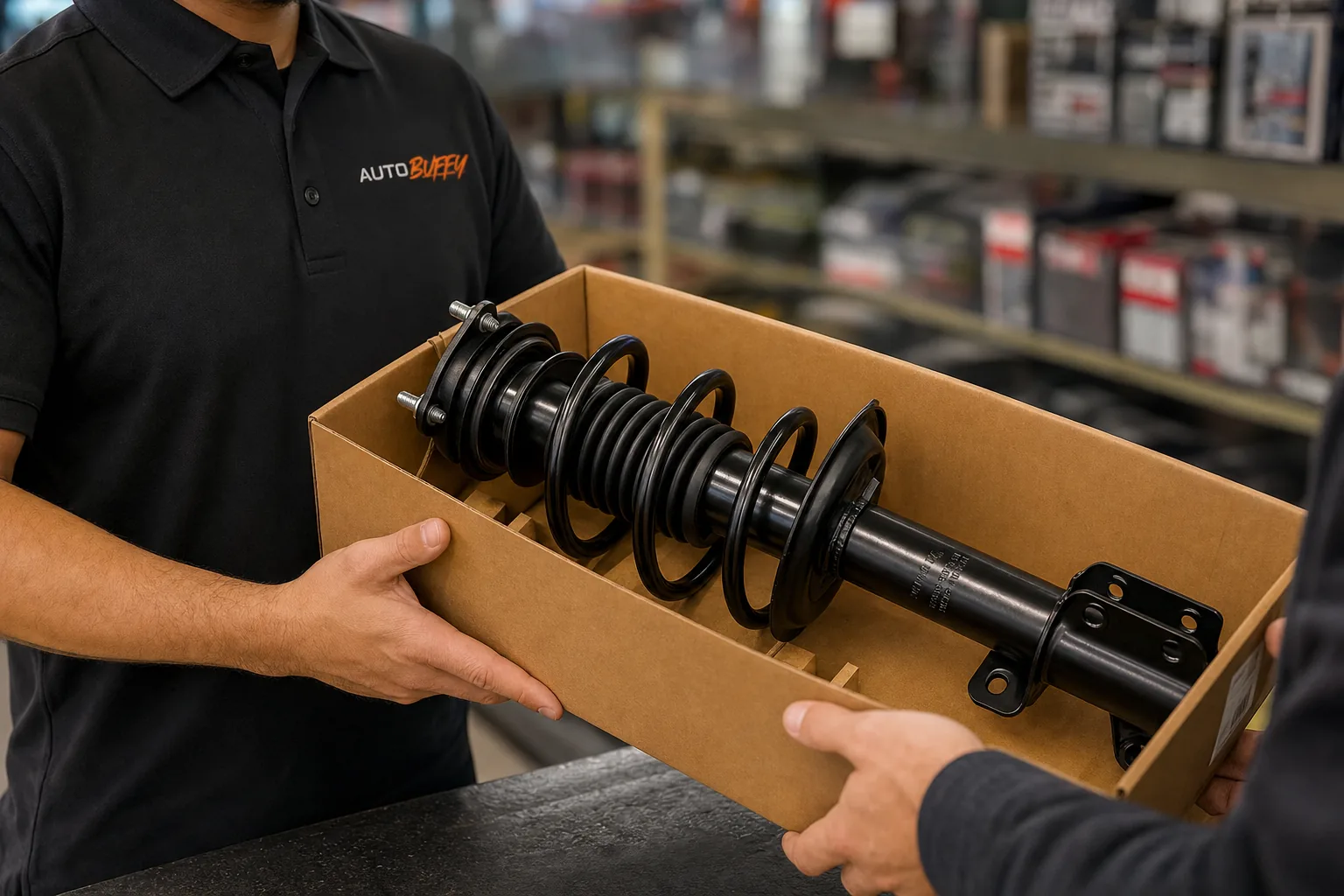
Monroe was founded in 1916 in Monroe, Michigan, and has a long history in the North American aftermarket. Their Quick-Strut line — a loaded assembly that includes the strut, coil spring, upper mount, and bearing plate — is one of the more popular options for Highlander owners doing this job at home. You skip the spring compressor, skip the press, and the installation is genuinely faster. Monroe is owned by Tenneco, which was taken private in 2022 under Apollo Global Management, though the Monroe product line and engineering have continued under that ownership. Quick-Strut is my personal recommendation for the DIYer who hasn't done struts before. The time saved is real, and the integrated spring-and-mount design means fewer things that can go wrong. ### Bilstein — Best for the 2014–2019 Highlander (XU50)
Bilstein's B4 OE Replacement line is specifically engineered for the 2014–2019 Highlander and meets or exceeds OE specifications. Bilstein uses a monotube gas-pressure design, which runs cooler and provides more consistent damping than a twin-tube under hard use. If your XU50 is used for towing or you're simply willing to spend more for a premium feel, Bilstein earns its price premium. ---
Loaded Assembly vs. Bare Strut: Which Should You Buy? | | Bare Strut | Loaded Assembly (Quick-Strut) |
| Cost | Lower | Higher |
|---|---|---|
| Labor time | Longer (spring swap needed) | Shorter |
| Tools required | Spring compressor | Standard hand tools |
| Best for | Shop installs, spring is still good | DIY, older vehicles, full refresh |
| Risk | Reusing worn springs/mounts | Minimal |
For any Highlander over 100,000 miles, a loaded assembly is almost always the right call. You're replacing everything that wears together in one shot. ---
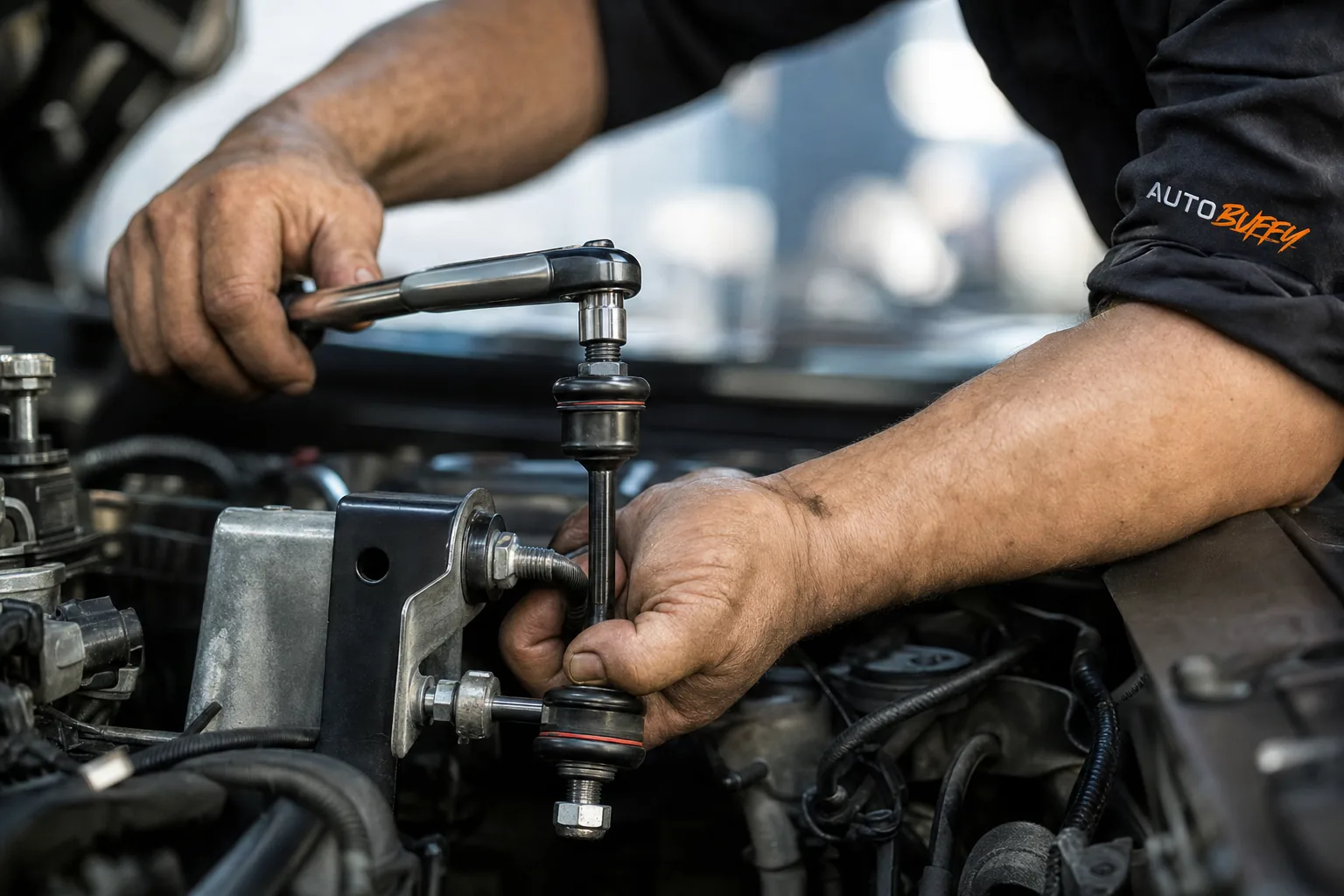
DIY vs. Shop: What's Realistic? Front struts on the Highlander are a moderate DIY job — not beginner-level, but not intimidating either. If you buy a loaded assembly, you're looking at roughly two hours per side with basic tools and a good floor jack. You'll still need an alignment after, so factor that cost in. Rear struts are generally simpler and faster. Many experienced home mechanics can do both rears in a single afternoon. If you're buying bare struts, you need a spring compressor. Renting one from a parts store is fine, but if you've never used one, the spring compressor step is where things can go wrong. In that case, let a shop do the spring swap. > **One non-negotiable:** Always get a four-wheel alignment after replacing front struts. The camber and caster settings are disturbed during the job. Skipping alignment will eat a new set of tires within 10,000 miles. ---
How to Get the Right Fit
The Highlander has trim-level, drivetrain, and year-specific differences that affect which strut fits. A strut that fits a 2008 AWD V6 won't necessarily fit a 2008 FWD four-cylinder. Use the part finder below to match by your exact year, model, trim, and drivetrain — it pulls current fitment data and today's pricing so you're not guessing.
Why buy from AutoBuffy
- Fitment check: add your vehicle and we confirm the part fits before you buy. If it doesn't fit because of our listing, you get a free return and a full refund, including original shipping.
- 24-month limited warranty on new parts bought on autobuffy.com.
- Real reviews: rated 4.9 by 19,069 verified customers.
- 30-day returns on unused parts in the original packaging.
- Free shipping on orders $50+. Orders placed before 12:00 PM ET (Mon-Fri) ship the same business day.
- Questions about an order? Call 888-477-2530 or email help@autobuffy.com.
Find the right strut for your Toyota Highlander
Guaranteed fit, ships free
FAQ / People Also Ask
Parts alone typically run $80–$250 per strut for conventional units, or $150–$400 for a complete quick-strut assembly (strut, spring, and bearing in one). Labor adds $150–$350 per axle at most shops, so a full four-corner replacement can total $600–$1,500 depending on your location and the brand you choose.


Comments
Loading comments...
Comments are moderated by the AutoBuffy team.